
The Copa Libertadores can turn one season into folklore, but it does not reward only one kind of greatness. A scorer may make every chance feel inevitable; a playmaker can bend an entire bracket; a goalkeeper or defender may become most valuable when a hostile tie begins to break. This is a ranking of those individual campaigns, not complete careers.
In our rankings, performance comes first: how well did the player play, against whom and across how much of the tournament? Consequence comes next. Goals, saves, passes, duels and leadership matter more when they change a knockout tie or final. Champions receive no automatic preference over runners-up, and a famous cameo cannot erase a thin campaign. The difficulty of the task matters too, so carrying an outsider or controlling the holders can outweigh a larger total gathered in easier matches.
Era comparison needs restraint. Early holders sometimes entered late, finals could require a third match, wins once earned two points, and the modern route is longer and more standardised. Raw goals are evidence, not a conversion table; contemporary assist data are not projected backwards; disputed historical totals are qualified. The top places in our rankings combine sustained command with decisive work at the sharp end, while every lower campaign gives up something to the one immediately above it in duration, completeness or final proof.
Our rankings at a glance
| Rank | Player | Edition | Club |
|---|---|---|---|
| 30 | Ever Hugo Almeida | 1979 | Olimpia |
| 29 | Juan Carlos Henao | 2004 | Once Caldas |
| 28 | Gustavo Gómez | 2020 | Palmeiras |
| 27 | Jaime Pizarro | 1991 | Colo-Colo |
| 26 | Gonzalo Martínez | 2018 | River Plate |
| 25 | Miguel Borja | 2016 | Atlético Nacional |
| 24 | Hugo de León | 1983 | Grêmio |
| 23 | José Francisco Cevallos | 2008 | LDU Quito |
| 22 | Fernandão | 2006 | Internacional |
| 21 | Luizão | 2000 | Corinthians |
| 20 | Juan Sebastián Verón | 2009 | Estudiantes |
| 19 | José Luis Chilavert | 1994 | Vélez Sarsfield |
| 18 | Luan | 2017 | Grêmio |
| 17 | Victor | 2013 | Atlético Mineiro |
| 16 | Carlos Tévez | 2003 | Boca Juniors |
| 15 | Pedro | 2022 | Flamengo |
| 14 | Gabriel Barbosa | 2019 | Flamengo |
| 13 | Ronaldinho | 2013 | Atlético Mineiro |
| 12 | Juan Ramón Verón | 1968 | Estudiantes |
| 11 | Fernando Morena | 1982 | Peñarol |
| 10 | René Higuita | 1989 | Atlético Nacional |
| 9 | Alberto Spencer | 1960 | Peñarol |
| 8 | Neymar | 2011 | Santos |
| 7 | Daniel Onega | 1966 | River Plate |
| 6 | Norberto Raffo | 1967 | Racing Club |
| 5 | Palhinha | 1976 | Cruzeiro |
| 4 | Germán Cano | 2023 | Fluminense |
| 3 | Pelé | 1963 | Santos |
| 2 | Juan Román Riquelme | 2007 | Boca Juniors |
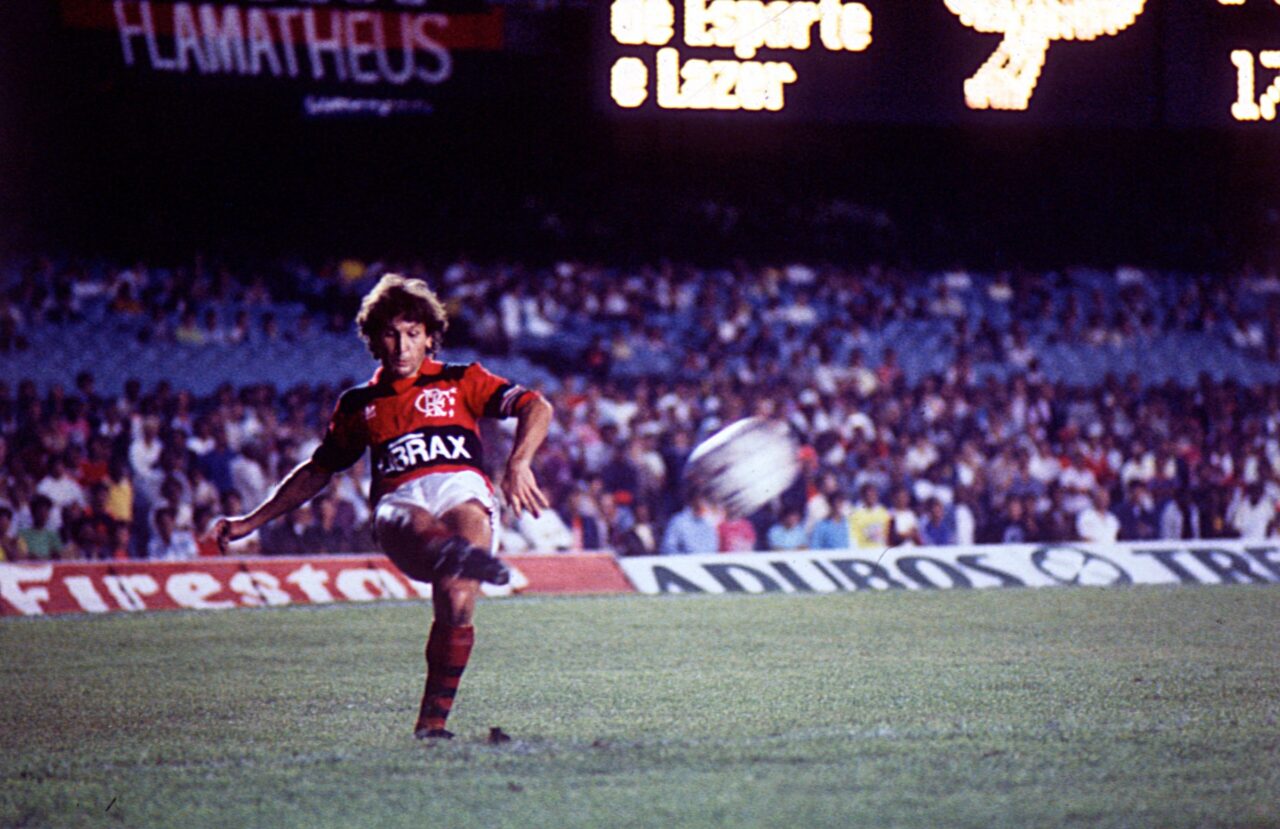
| 1 | Zico | 1981 | Flamengo |
Rank 30: Ever Hugo Almeida, 1979

Olimpia’s first Libertadores was a territorial breakthrough. No club outside Argentina, Brazil or Uruguay had won the competition before 1979, and the final placed the Paraguayans against Boca Juniors, the holders in each of the previous two editions.
Ever Hugo Almeida gave that challenge an unusually calm last line. Olimpia conceded seven goals in 12 matches and kept seven clean sheets.
The decisive work was collective, yet Almeida’s authority made Luis Cubilla’s compact football sustainable. After a 2-0 first-leg win in Asunción, Olimpia had to defend the advantage in La Bombonera. Boca pressed, the stadium tightened around the visitors, and Almeida completed the clean sheet that turned a national first into fact. It was control under pressure, not merely resistance.
Almeida opens the list because his 1979 value is harder to separate from an excellent defensive unit than the goalkeeper campaign immediately above it. Juan Carlos Henao also anchored an outsider, but had to survive two knockout shootouts and then make two saves in the final one. Almeida’s command in Buenos Aires earns inclusion; Henao’s repeated, attributable interventions earn 29th.
Rank 29: Juan Carlos Henao, 2004
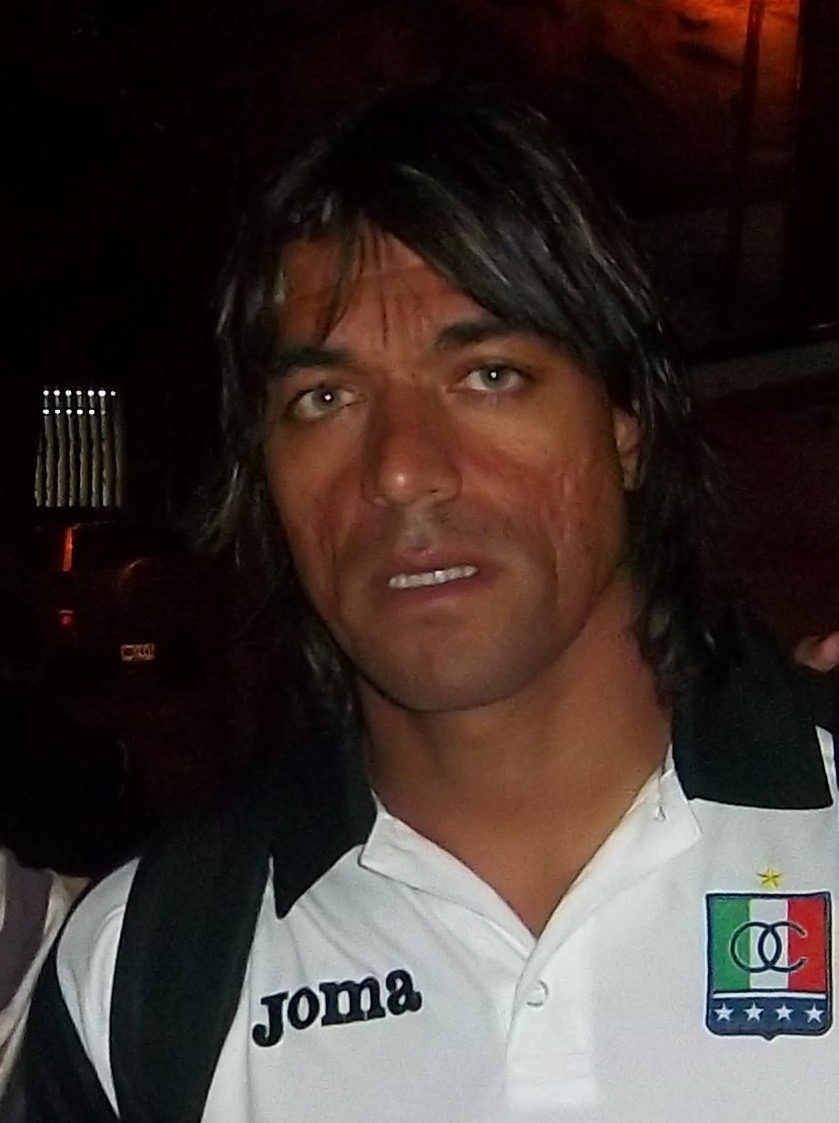
Once Caldas did not overwhelm the 2004 Libertadores. They rationed risk, conceded ten times in 14 matches and lost only once. Juan Carlos Henao was the essential condition of that approach. He protected narrow margins through a route that removed Barcelona, Santos and São Paulo before Boca Juniors, then the competition’s dominant club, awaited in the final.
His campaign repeatedly reached the point where one action would undo months of work. Henao helped Once Caldas pass Barcelona on penalties in the round of 16, kept clean sheets in the home quarter-final and away semi-final, and faced Boca after a goalless first leg. The return finished 1-1; in the shootout Boca failed with every kick. Henao saved from Raúl Cascini and Franco Cángele as Once won 2-0. Those moments put Henao above Almeida, whose final clean sheet preserved a lead rather than resolving a shootout. Gustavo Gómez at 28 offered a different completeness: a start in every match of a 13-game title, two goals and command of a high line as captain. Henao’s peak was more dramatic, but Gómez influenced every phase and every type of match.
Rank 28: Gustavo Gómez, 2020
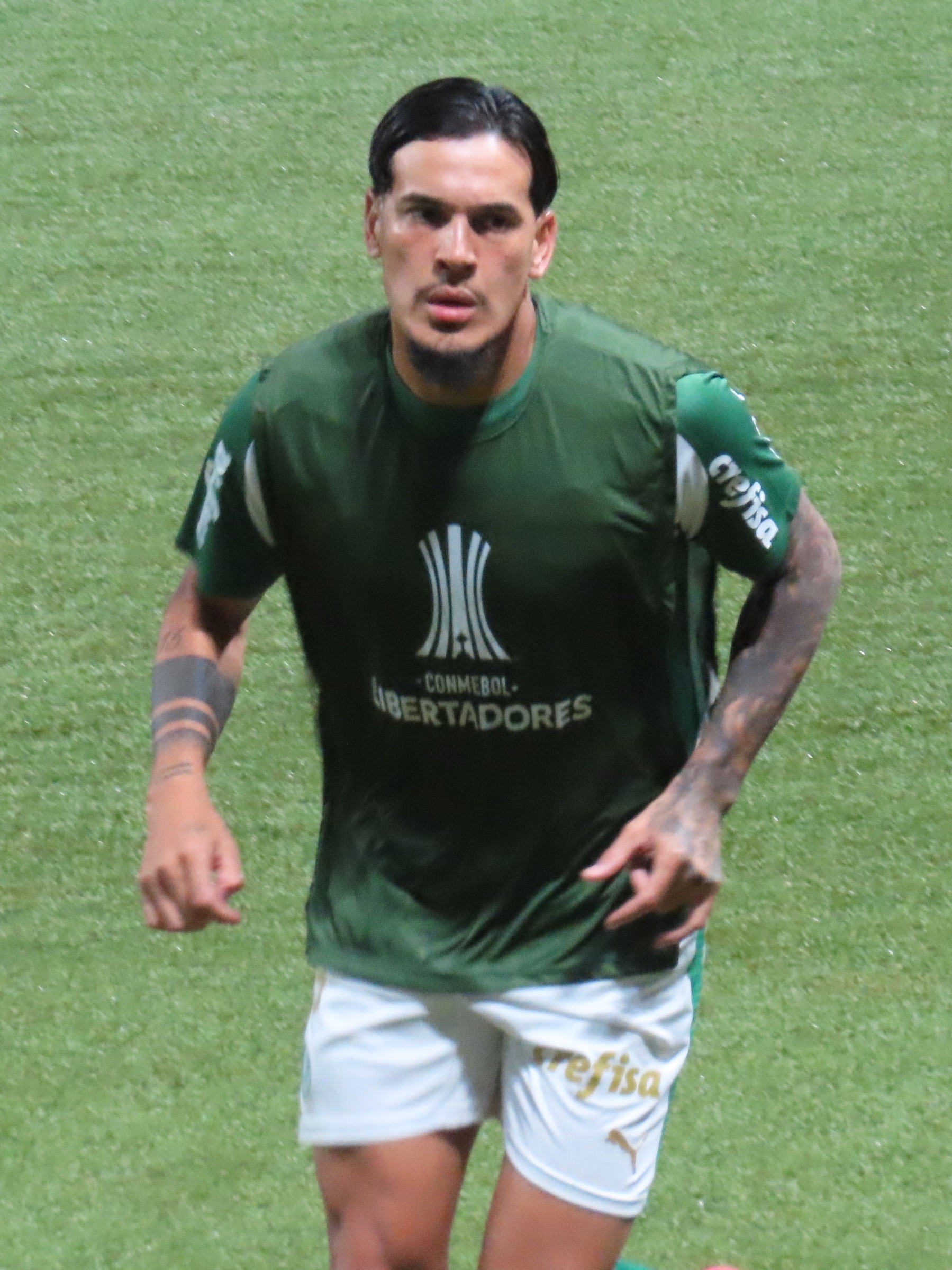
The 2020 Libertadores stretched across the pandemic and ended in January 2021, a competition of empty grounds, interrupted rhythms and unusual psychological demands. Gustavo Gómez supplied Palmeiras with continuity. He started all 13 matches, the only outfield player in the side to do so, and took the captaincy while Felipe Melo was injured. Palmeiras conceded six goals across the campaign.
Gómez was more than the organiser behind a prolific attack. He scored against Tigre and headed a vital away goal at his former club Libertad in the quarter-finals. His aggression let Palmeiras squeeze space, while his aerial defending became critical when River Plate threatened a spectacular semi-final recovery. In the single-match final, Santos found almost no central access before Breno Lopes struck late.
Henao stays behind him because the Colombian’s greatness was concentrated around the penalty area and shootouts; Gómez governed a champion from first group match to final. Jaime Pizarro ranks next because he matched that full-tournament availability while also adjusting between midfield and defence as Colo-Colo became Chile’s only winner. Gómez started all 13 matches; Pizarro carried the older campaign’s tactical centre.
Rank 27: Jaime Pizarro, 1991
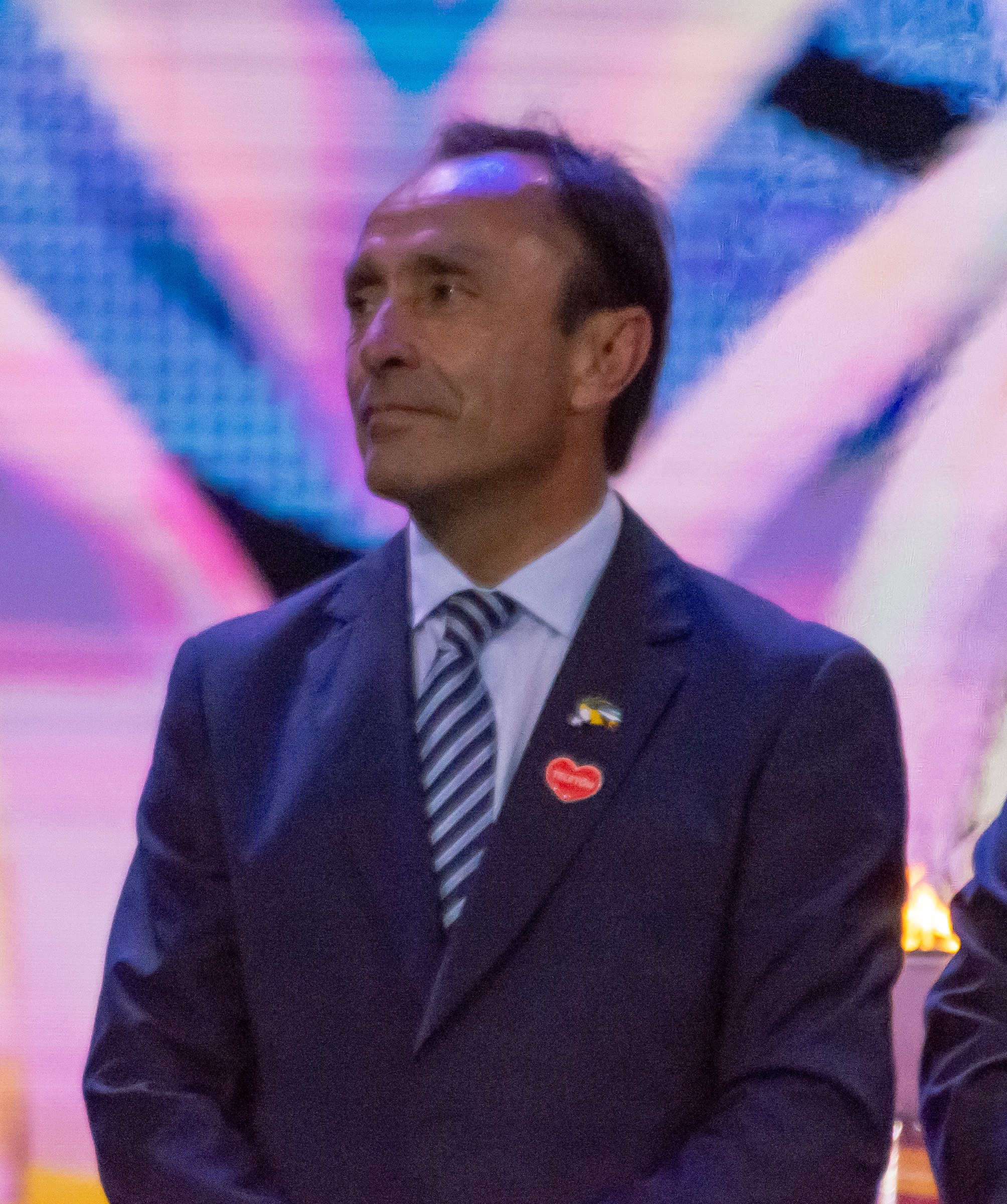
Jaime Pizarro played every minute of Colo-Colo’s 14-match 1991 campaign. The number says something deeper than durability. Mirko Jozić’s side could press, combine or protect a lead because their captain understood where the game needed to move.
He even dropped into the back line when circumstances required it, giving the eventual champions a tactical hinge rather than a fixed-position celebrity.
Colo-Colo had to eliminate Universitario, Nacional and Boca before meeting holders Olimpia. Pizarro imposed order amid the fierce semi-final with Boca and then kept the second leg of the final flowing after a goalless night in Asunción. He did not score in the competition, but his pass began the move for the third goal in Santiago, the release that completed a 3-0 win and Chilean history.
Pizarro edges Gómez because being captain, ever-present and structural reference in a country’s lone Libertadores triumph adds historical and tactical weight. Gonzalo Martínez at 26 was less constant across his group stage, but directly changed the semi-final and then became the most destabilising attacker in the most pressurised final the competition has staged. Pizarro controlled the journey; Martínez altered its hardest turns.
Rank 26: Gonzalo Martínez, 2018

Gonzalo Martínez’s 2018 Libertadores was not a serene procession. He missed a penalty at Racing in the round of 16 and River often depended upon different match-winners. Yet his left foot and appetite for risk increasingly defined the campaign as the margins narrowed. He scored three times, with his most consequential work arriving away from home.
River trailed holders Grêmio 1-0 after the first leg of the semi-final and were still going out in Porto Alegre with eight minutes left. Martínez delivered the set piece for Rafael Borré’s equaliser, then converted the stoppage-time penalty that sent River through on away goals. In Madrid against Boca he carried and crossed relentlessly before, finally, running into an empty goal to close a 3-1 extra-time victory.
Martínez rises above Pizarro because his actions reversed the semi-final and sealed a final carrying unmatched rivalry and disruption. Miguel Borja at 25 played only four matches, which normally would disqualify such a high place. Five goals in those four, including four against São Paulo and the title winner, make his condensed campaign even more decisive than Martínez’s uneven but brilliant one.
Rank 25: Miguel Borja, 2016
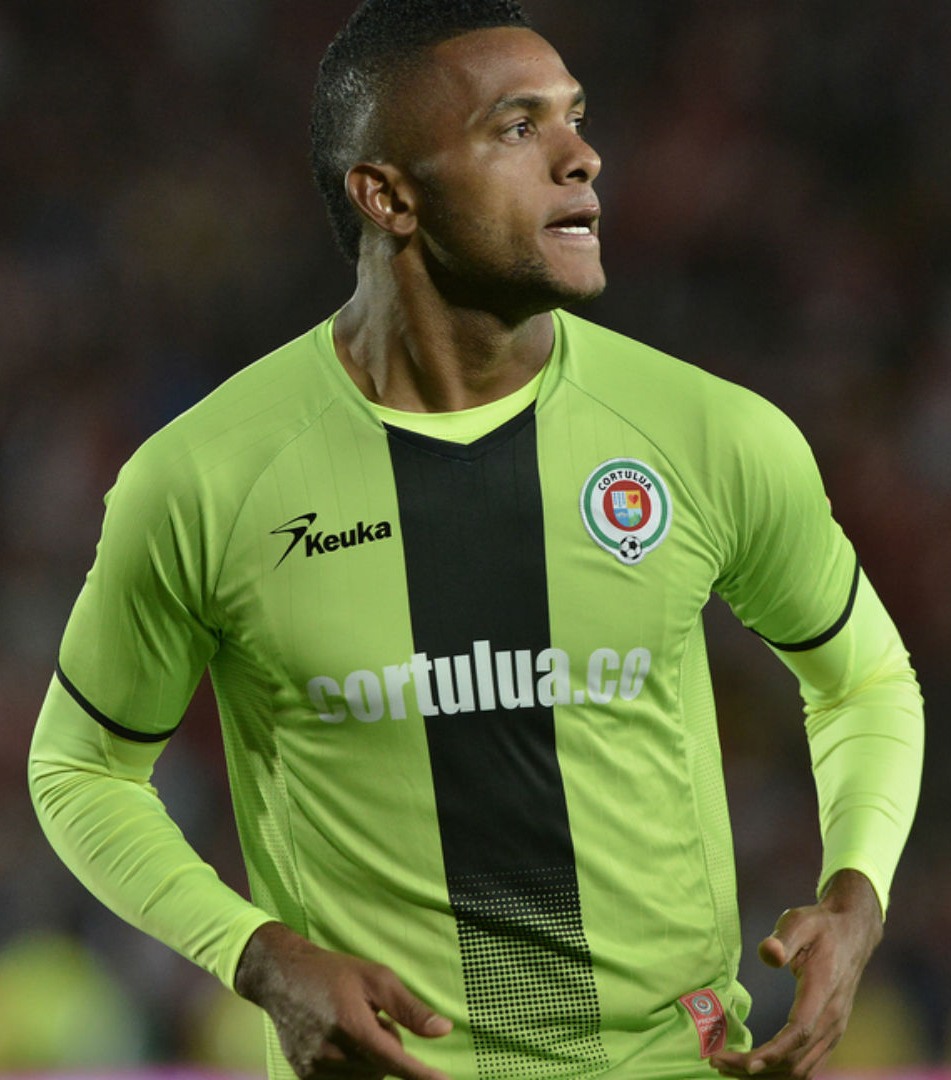
Miguel Borja joined Atlético Nacional after the group stage and did not appear until the semi-final. His case is therefore an argument about density rather than duration. Nacional had already produced much of the competition’s best football, but a team can dominate territory and still need a finisher when the last four arrives. Borja converted that need into five goals in four matches.
He scored twice late in the first leg at São Paulo, transforming an excellent away performance into a 2-0 advantage. When São Paulo struck early in Medellín, Borja answered within seven minutes and later added the penalty that completed a four-goal semi-final. Against Independiente del Valle, he reacted quickest to a loose ball in the eighth minute of the second leg. It was the final’s only goal. Borja cannot go higher because two rounds, however perfect, are not a whole tournament; that limitation also keeps his campaign below Hugo de León’s sustained defensive leadership. He ranks above Martínez because every appearance affected a semi-final or final and five of Nacional’s last six goals were his. Martínez shaped the drama; Borja supplied its conclusion almost every time.
Rank 24: Hugo de León, 1983
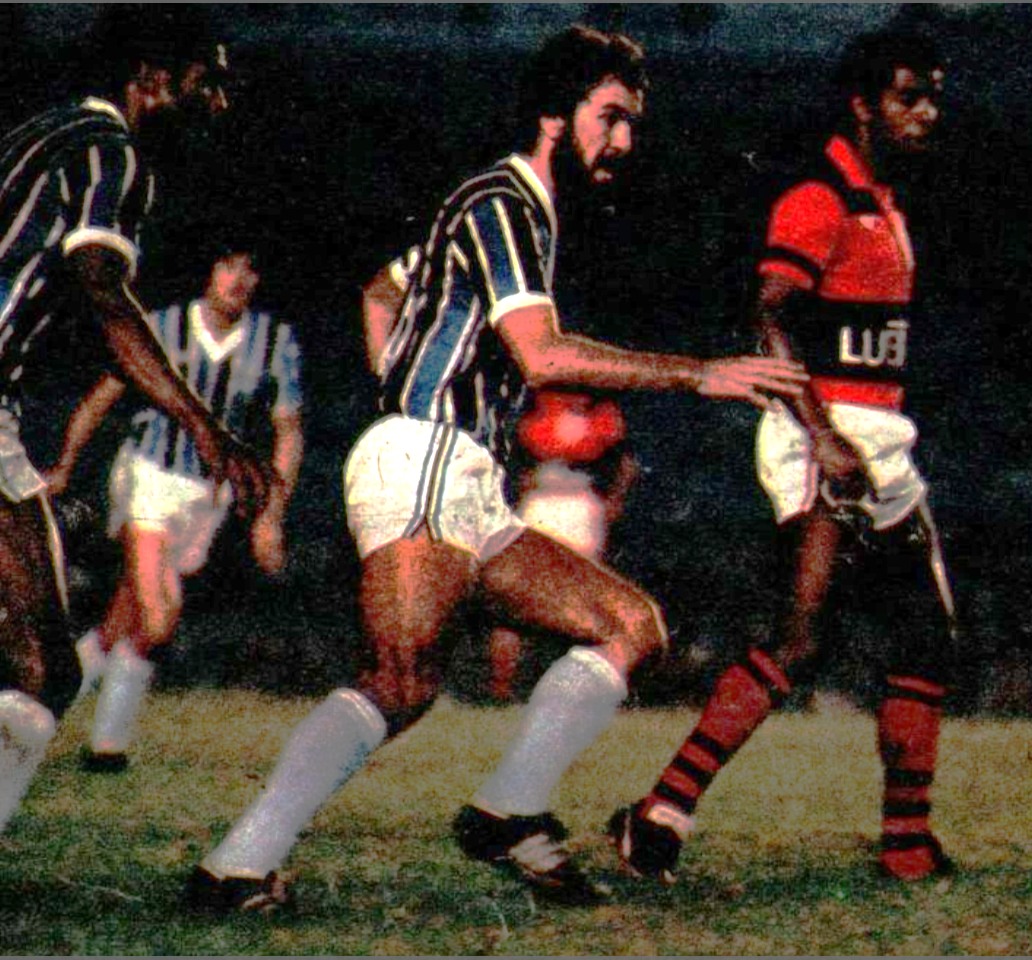
Grêmio’s first Libertadores required them to grow into unfamiliar continental authority. Hugo de León, the Uruguayan centre-back signed from Nacional, already understood the tournament’s demands. He organised the line, attacked aerial balls and gave a Brazilian newcomer some of the emotional economy associated with the established powers. Grêmio conceded four goals in six first-round matches, then survived a far less orderly semi-final group.
The final paired them with Peñarol, champions in 1982 and specialists in precisely this terrain. A 1-1 draw in Montevideo left the return open. De León’s side absorbed Fernando Morena’s threat, recovered after Peñarol equalised in Porto Alegre and kept enough composure for César’s late header to win 2-1. His campaign was authority expressed through positioning, timing and the standards set around him.
De León ranks above Borja because he was foundational throughout the decisive phases rather than a devastating late addition. José Francisco Cevallos at 23 did not exercise the same outfield control, but his saves travelled with LDU through altitude and away pressure before three final-shootout stops at the Maracanã. De León stabilised a champion; Cevallos personally rescued one at the final threshold.
Rank 23: José Francisco Cevallos, 2008
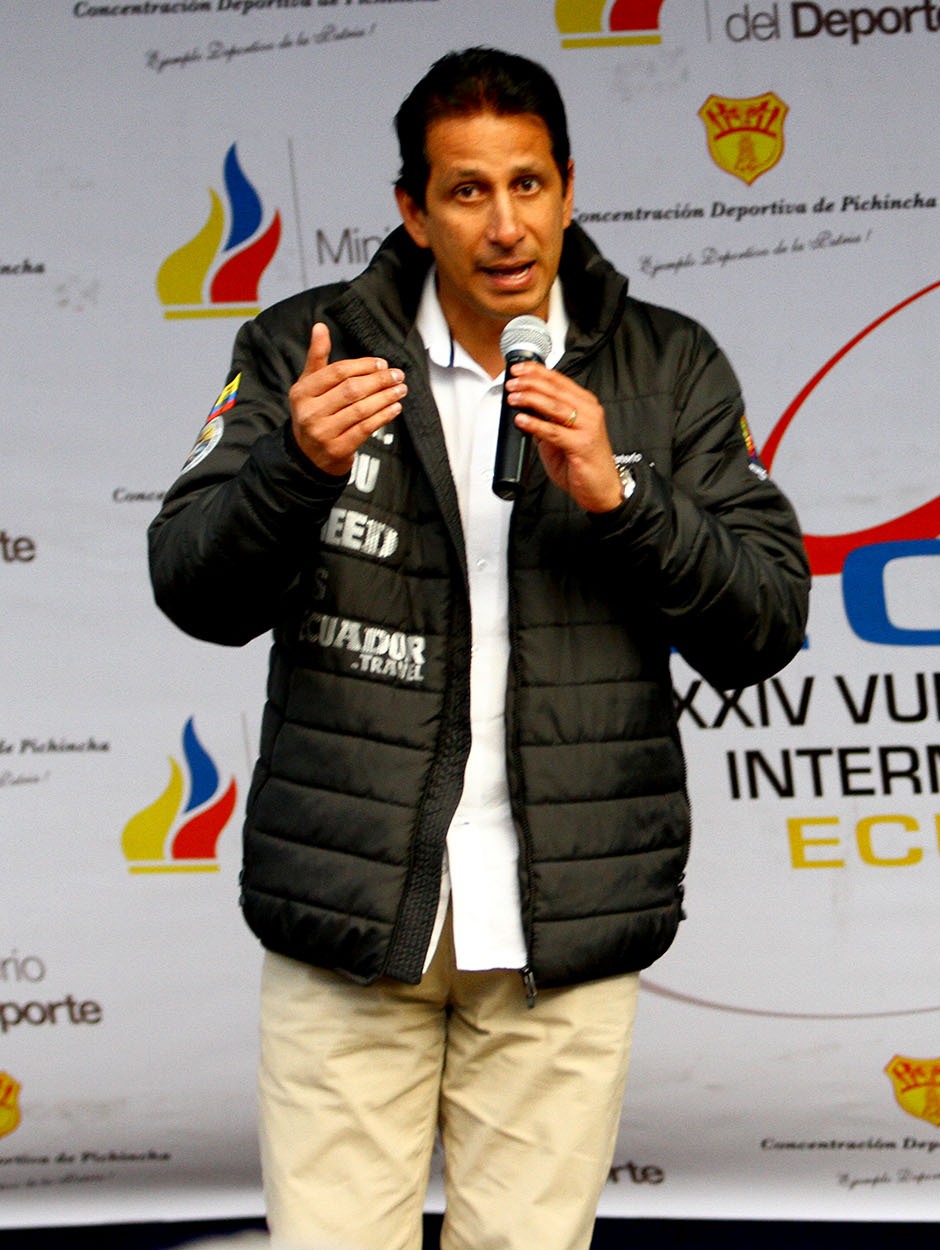
LDU Quito played the 2008 Libertadores with invention at home and an increasing ability to suffer away. José Francisco Cevallos connected those identities. His experience steadied a side making new ground for Ecuador, especially after the knockout route moved through Estudiantes, San Lorenzo and América. LDU could attack with numbers because the goalkeeper behind them rarely made the contest feel hurried.
The final displayed both faces. LDU won 4-2 in Quito, then Fluminense levelled the aggregate with a 3-1 victory at the Maracanã. Extra time became an assault, and Cevallos still reached the shootout with the title alive. He saved from Darío Conca, Thiago Neves and Washington as LDU won 3-1 on penalties, the first Ecuadorian club to become champion of South America.
Those three saves lift Cevallos above De León because the final can be traced directly through his hands.
Fernandão at 22 offers the larger attacking campaign: joint top scorer, captain, semi-final goal and a goal plus assist in the decisive final leg. Cevallos owned one immense night; Fernandão linked Internacional’s entire first conquest from front to back.
Rank 22: Fernandão, 2006
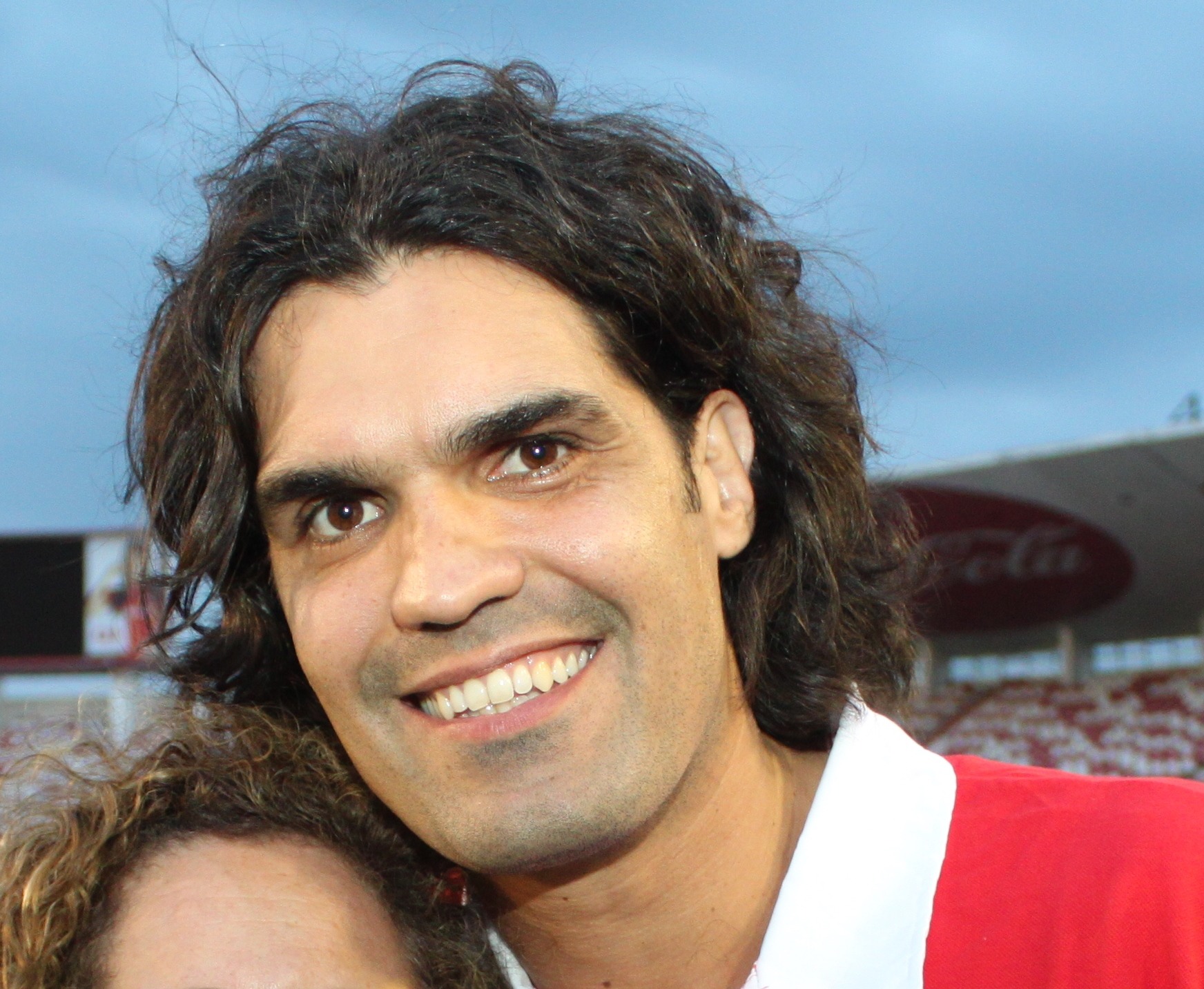
Fernandão’s five goals made him one of 14 joint top scorers in an unusually flat 2006 race, but his value was never confined to that congested table. He played as reference point, connector and captain. Internacional could hit Rafael Sobis early, bring midfield runners beyond the ball or use Fernandão’s touch to pause a match that was threatening to become frantic.
He scored the second goal that settled the semi-final against Libertad, then confronted holders São Paulo. Sobis struck twice in the 2-1 away win. In the return, Fernandão punished Rogério Ceni’s hesitation to open the scoring and later crossed for Tinga’s header. Internacional drew 2-2 and won 4-3 on aggregate, their first Libertadores built around their number nine’s judgement as much as his finishing.
Fernandão’s full attacking responsibility places him above Cevallos, whose defining value was more concentrated in the final shootout. Luizão at 21 did not win the 2000 trophy, yet scored 15 times by the contemporary and CONMEBOL count, including twice as Corinthians nearly overturned Palmeiras in the semi-final return. Fernandão completed the mission; Luizão produced a rarer individual volume against a losing ending.
Rank 21: Luizão, 2000
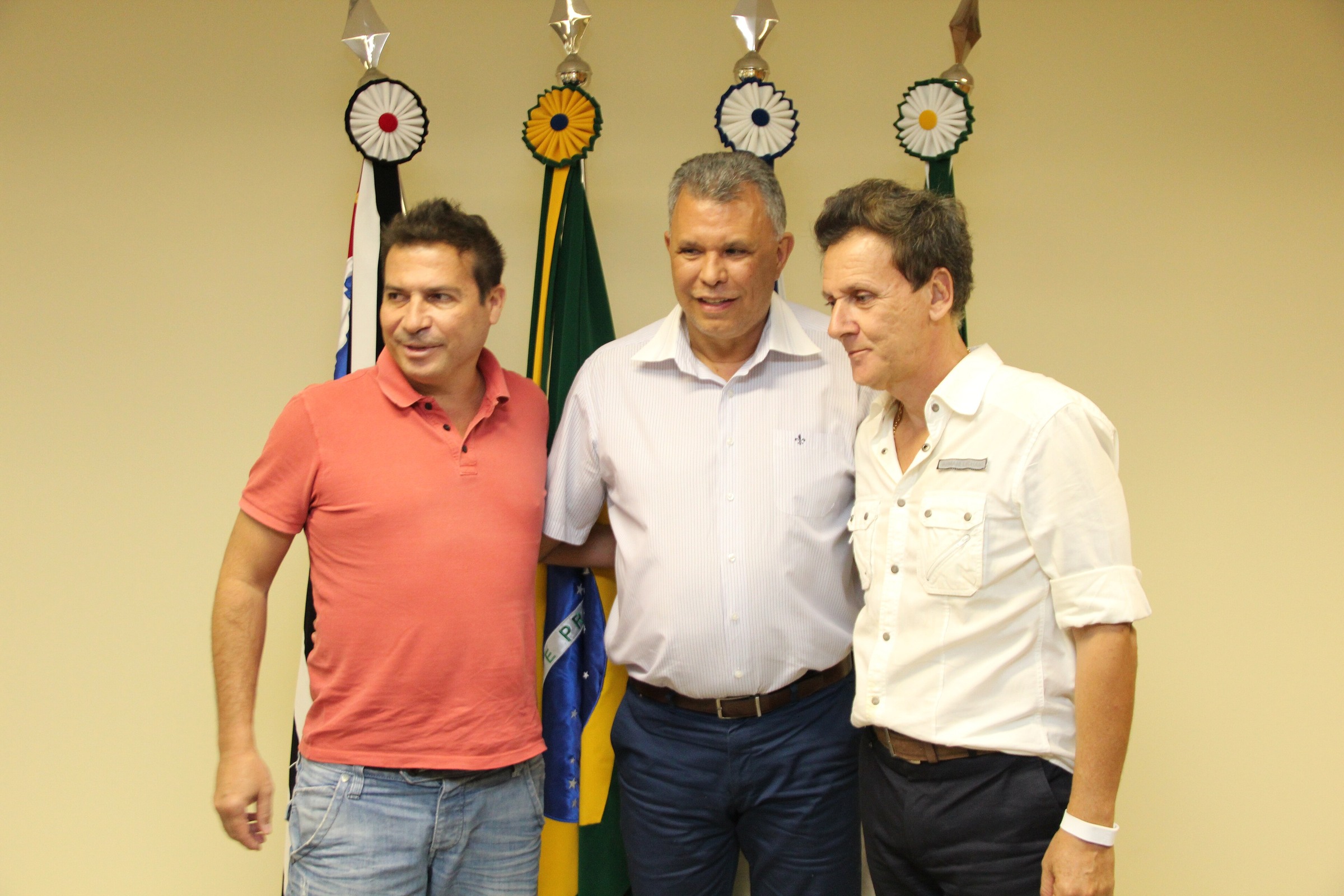
The 2000 Libertadores expanded to 32 clubs and placed Luizão at the point of a lavish Corinthians attack. He scored in bursts and across rounds, turning combinations with Marcelinho Carioca, Edílson and Ricardinho into the second-highest single-edition total traditionally recorded. A group-stage hat-trick against LDU Quito displayed his economy: movement across the centre-backs, early contact and finishes before the defence reset.
He remained productive when the opposition strengthened. Luizão scored away to Atlético Mineiro in the quarter-final and twice against Palmeiras in the semi-final return. Corinthians won the first leg 4-3, lost the second 3-2 and went out on penalties after a 6-6 aggregate. His 15 could not solve the shootout, but they carried a side to within one kick of a final while making him the tournament’s dominant scorer. That body of work puts Luizão above Fernandão despite the missing medal. Juan Sebastián Verón at 20 scored only once, but governed Estudiantes through a 16-match route from the preliminary round and was recognised as the edition’s best player. Luizão’s archive also contains a 14-versus-15 discrepancy; Verón’s superiority rests less on one disputed total and more on control of an entire champion.
Rank 20: Juan Sebastián Verón, 2009

Juan Sebastián Verón returned to Estudiantes in 2006 with European status but a local purpose. Three years later, at 34, he conducted the club through the longest possible Libertadores route. Estudiantes had to survive a preliminary tie before their group, then recovered from a poor start under Alejandro Sabella. Verón was the reference for the change: receiving from the centre-backs, switching the point of attack and demanding the ball when a safer player might have hidden.
His statistical line does not announce the scale of the campaign. Verón scored once, against Cruzeiro in the group, while Estudiantes’ knockout strength came from territorial control and Mauro Boselli’s finishing. They kept six clean sheets in eight knockout matches and conceded only twice. The second goal put Cruzeiro ahead in the final’s return, after a 0-0 draw in La Plata. Estudiantes equalised, then Verón’s corner was headed in by Boselli for a 2-1 win and the club’s first South American title since his father Juan Ramón’s era.
Verón moves above Luizão because he shaped every state of a champion’s 16-match passage, not only its scoring column, and later received the edition’s most valuable player award. José Luis Chilavert at 19 offers a more concentrated but even less replaceable campaign. Verón directed the final recovery; Chilavert took penalties himself and repeatedly stood between Vélez and elimination.
Rank 19: José Luis Chilavert, 1994
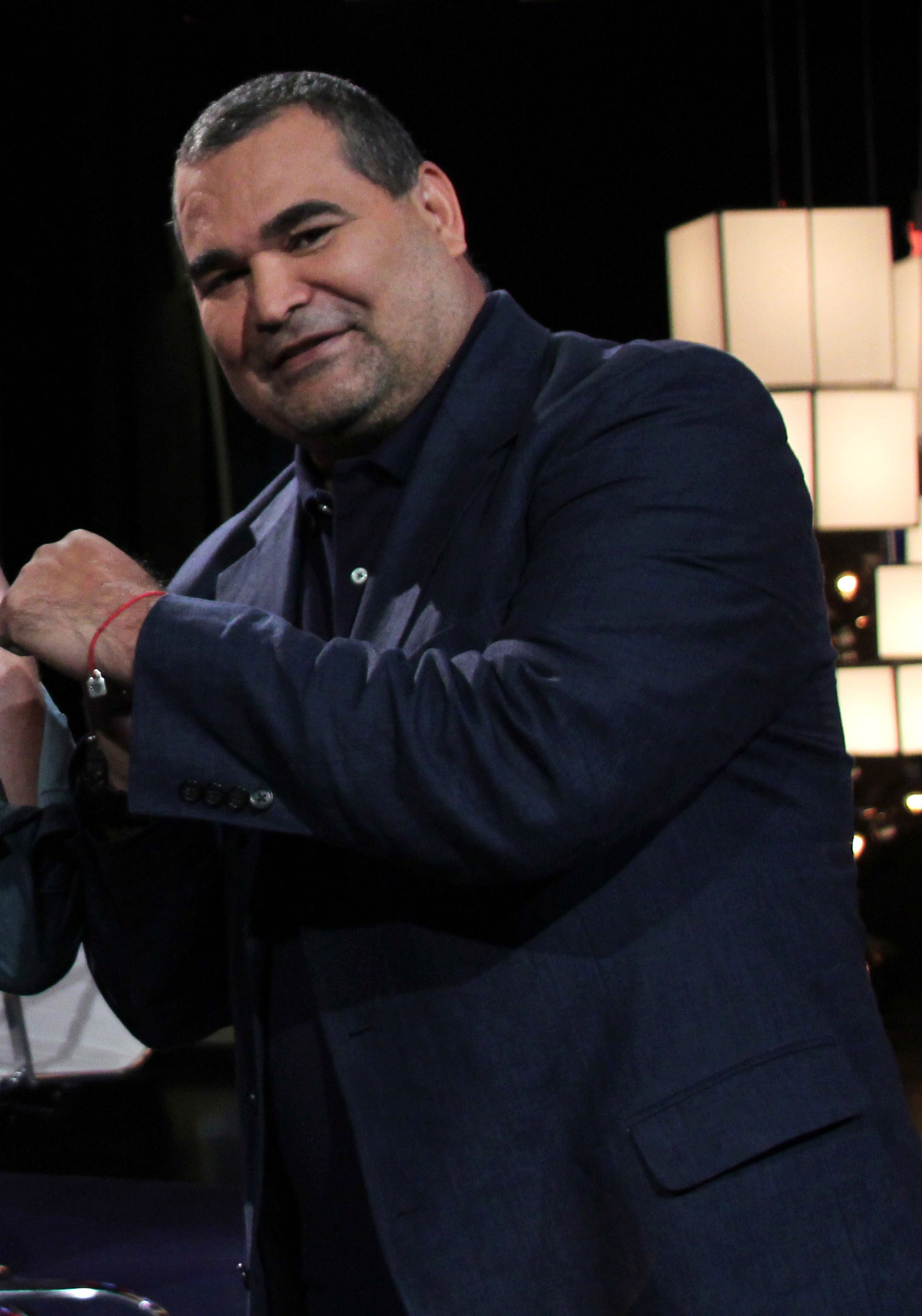
José Luis Chilavert treated goalkeeping as a position from which the entire match could be challenged. His long distribution accelerated Carlos Bianchi’s direct attacks, his voice organised a disciplined defence, and his willingness to take free-kicks and penalties altered the psychology of a shootout. Vélez conceded 12 times in 14 matches, seldom leaving their captain much margin for a mistake.
The campaign demanded two penalty decisions. In the semi-final, Junior won 2-1 in Barranquilla before Vélez restored the aggregate score in Buenos Aires; Chilavert converted his own attempt as the Argentinians advanced. The final against São Paulo followed the same pattern in reverse: a 1-0 home win, a 1-0 away defeat and another shootout. Against the holders, who were seeking a third consecutive title, Chilavert again scored as Vélez converted all five kicks and won 5-3.
Chilavert edges Juan Sebastián Verón because his goalkeeping, captaincy and penalty-taking fused in two elimination points, including the final against the defending champions. Luan at 18 had fewer such binary moments, but contributed eight goals across a modern full-length campaign and decided the final with an act no archive needs to interpret. Chilavert dominated the nerves; Luan more consistently dominated the football around them.
Rank 18: Luan, 2017
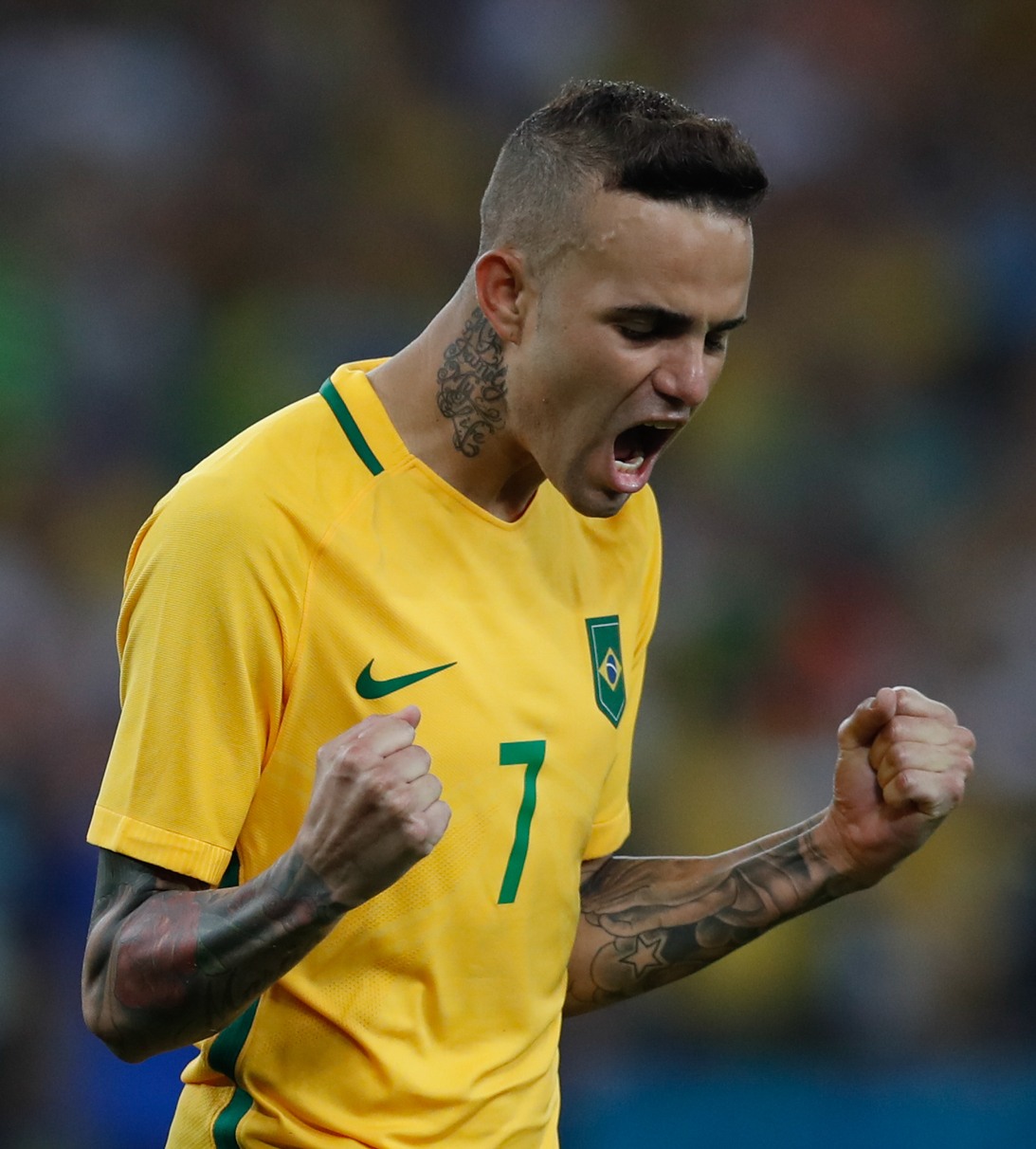
Renato Gaúcho’s Grêmio wanted the ball even when the knockout bracket made caution tempting. Luan was the player who made that ideal practical.
He dropped away from the front line to create an extra midfielder, turned combinations into penetrative carries and still arrived often enough to score eight times. His tournament was not a sequence of poached goals but the attacking grammar of the eventual champions.
Five of Luan’s goals came in the group, before his movement helped Grêmio negotiate Godoy Cruz and Botafogo without him scoring. He returned to the scoresheet twice in the 3-0 semi-final win at Barcelona. His defining action came in the second leg of the final at Lanús. With Grêmio already a goal ahead, he took possession outside the area, escaped the first challenge, glided between defenders and lifted the ball over Esteban Andrada. That 2-1 win completed a 3-1 aggregate victory and earned Luan the competition’s individual acclaim.
The sustained creative burden and eight goals carry Luan above Chilavert, whose decisive contribution operated within a more collective attacking plan. Victor at 17 could not shape Atlético Mineiro’s attacks as Luan shaped Grêmio’s, but he changed decisive penalty sequences in the quarter-final, semi-final and final. Luan produced the more varied art; Victor’s campaign reached its highest level whenever one kick could redirect it.
Rank 17: Victor, 2013
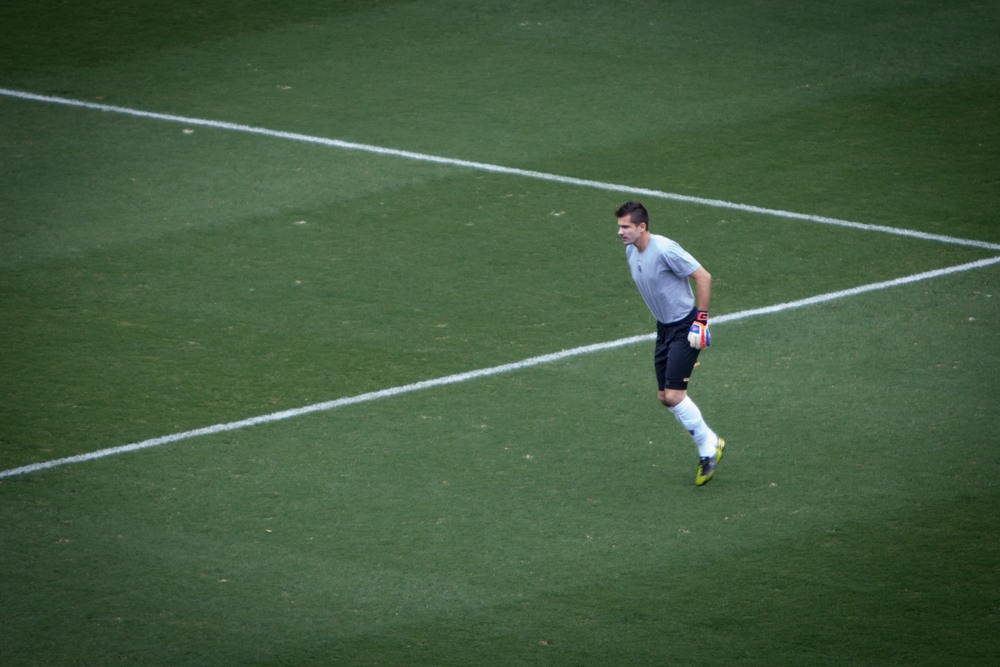
Atlético Mineiro’s 2013 Libertadores is remembered for its attacking theatre, but the campaign would have ended in the quarter-final without Victor. After a 2-2 draw at Tijuana, the return stood at 1-1 when the visitors received a penalty deep into stoppage time. Duvier Riascos struck low; Victor left a foot behind him and saved. The goalkeeper had turned what looked like the last action of the tie into Atlético’s passage on away goals.
The same pressure returned twice. Atlético overturned a 2-0 semi-final deficit against Newell’s Old Boys, then Victor denied Maxi Rodríguez to settle the shootout. They trailed Olimpia 2-0 after the first leg of the final too, recovered the score in Belo Horizonte and faced penalties once more. Victor saved Herminio Miranda’s opening kick before Matías Giménez hit the bar and Atlético completed their first Libertadores title. The club later recognised Victor as one of the campaign’s outstanding figures, and he received a sponsor-backed award as the competition’s best goalkeeper.
Victor rises above Luan because he changed the penalty sequence in three successive knockout rounds: one save prevented immediate elimination, another settled the semi-final and the third established Atlético’s advantage in the final shootout. Carlos Tévez at 16 delivered his late-round influence over far more phases of play, carrying and creating as well as scoring while Boca won their semi-final and final 11-1 on aggregate. Victor owned the narrowest moments; Tévez controlled more of the football around them.
Rank 16: Carlos Tévez, 2003
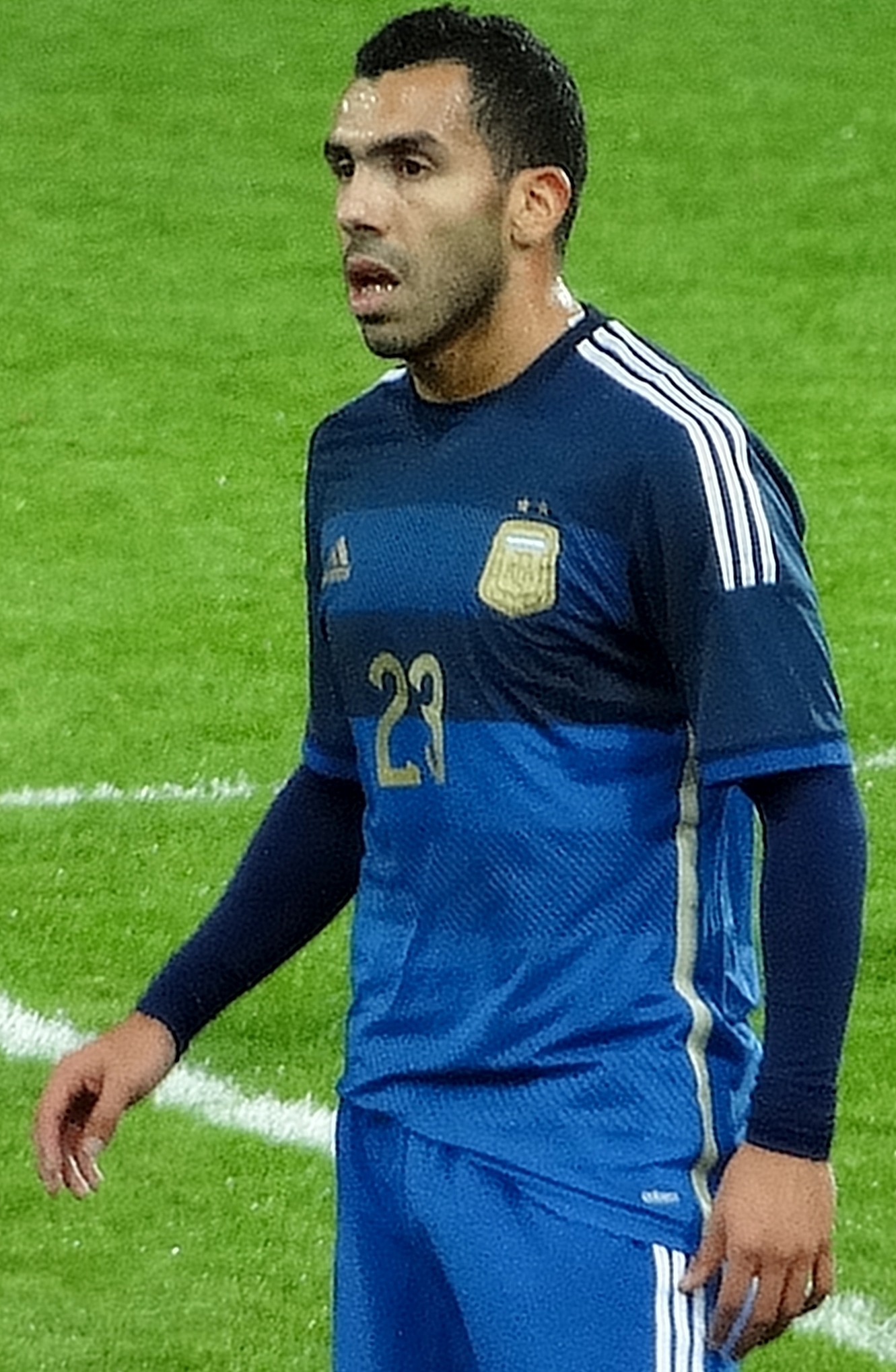
Carlos Tévez began the 2003 Libertadores as a prodigy within a hardened Boca Juniors side and ended it as the face of the competition. His strength over the first challenge, quick turns in crowded areas and appetite for the ball gave Carlos Bianchi an attacking variable that could not be reduced to a fixed position. Tévez did not score in the group, but became more influential with every rise in the stakes. His first goal came in the quarter-final return against Cobreloa. He then scored late in the semi-final’s first leg against América de Cali and twice more in the 4-0 return, helping Boca complete a 6-0 aggregate win. Santos offered Robinho, Diego and the tournament’s leading scorer Ricardo Oliveira in the final. Boca controlled both legs, and Tévez scored the opener in the 3-1 away victory that finished a 5-1 aggregate dismantling.
Tévez goes above Victor because his five late-stage goals came with a broader creative and physical influence against increasingly strong opponents. Pedro at 15 amassed 12 goals in a longer modern route and never experienced defeat. Tévez illuminated a dominant finish; Pedro supplied elite finishing from the first group match to the semi-final and remained structurally important in the final.
Rank 15: Pedro, 2022
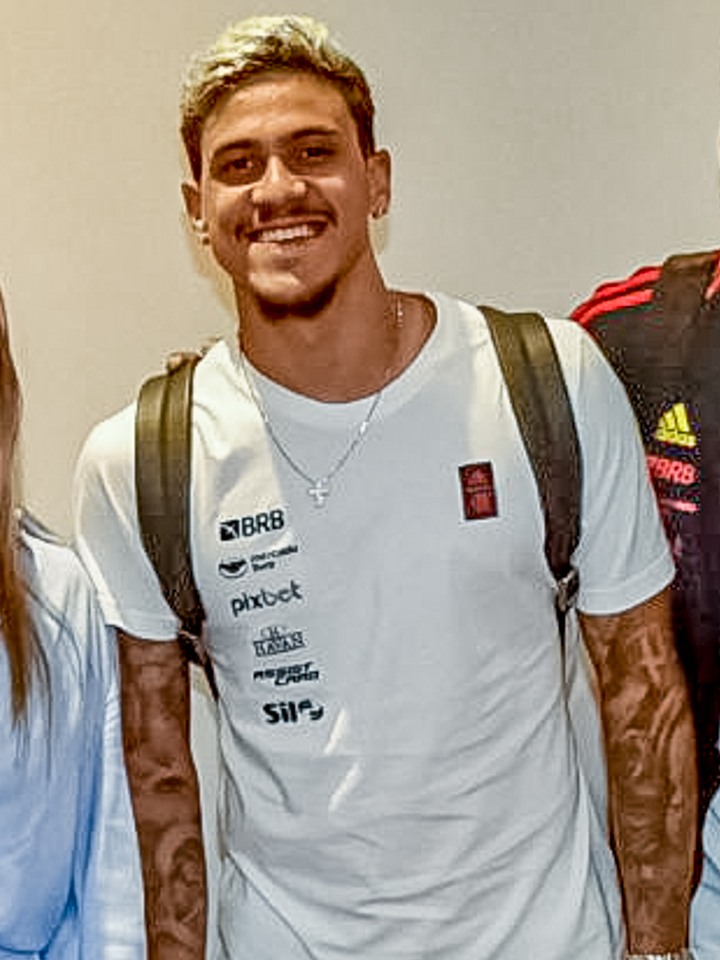
Pedro began Flamengo’s 2022 Libertadores sharing attacking space with Gabriel Barbosa and finished it as the tournament’s leading scorer. His 12 goals in 13 appearances came without the side losing a match. More revealingly, his penalty-box intelligence solved different problems: near-post darts, delayed arrivals, close control with his back to goal and the composure to finish after Flamengo’s creators had pulled a defence apart.
He scored three times in the group, then four in the 7-1 round-of-16 return against Deportes Tolima. Pedro supplied the only goal of the quarter-final’s second leg against Corinthians. In the semi-final at Vélez he scored a hat-trick as Flamengo won 4-0, then added another in the 2-1 return. Gabriel Barbosa scored the only goal of the final against Athletico Paranaense, but Pedro’s movement continued to occupy the central defenders and his accumulated work had already made the unbeaten run possible.
Pedro’s duration, 12-goal total and knockout continuity put him above Tévez, even though the Argentinian exerted more influence outside the box. Gabriel Barbosa at 14 scored three fewer in 2019 and was not as steadily prolific, but two goals in the final’s last minutes reversed a defeat into Flamengo’s first Libertadores for 38 years. Pedro built the stronger tournament; Barbosa delivered the more extraordinary ending.
Rank 14: Gabriel Barbosa, 2019
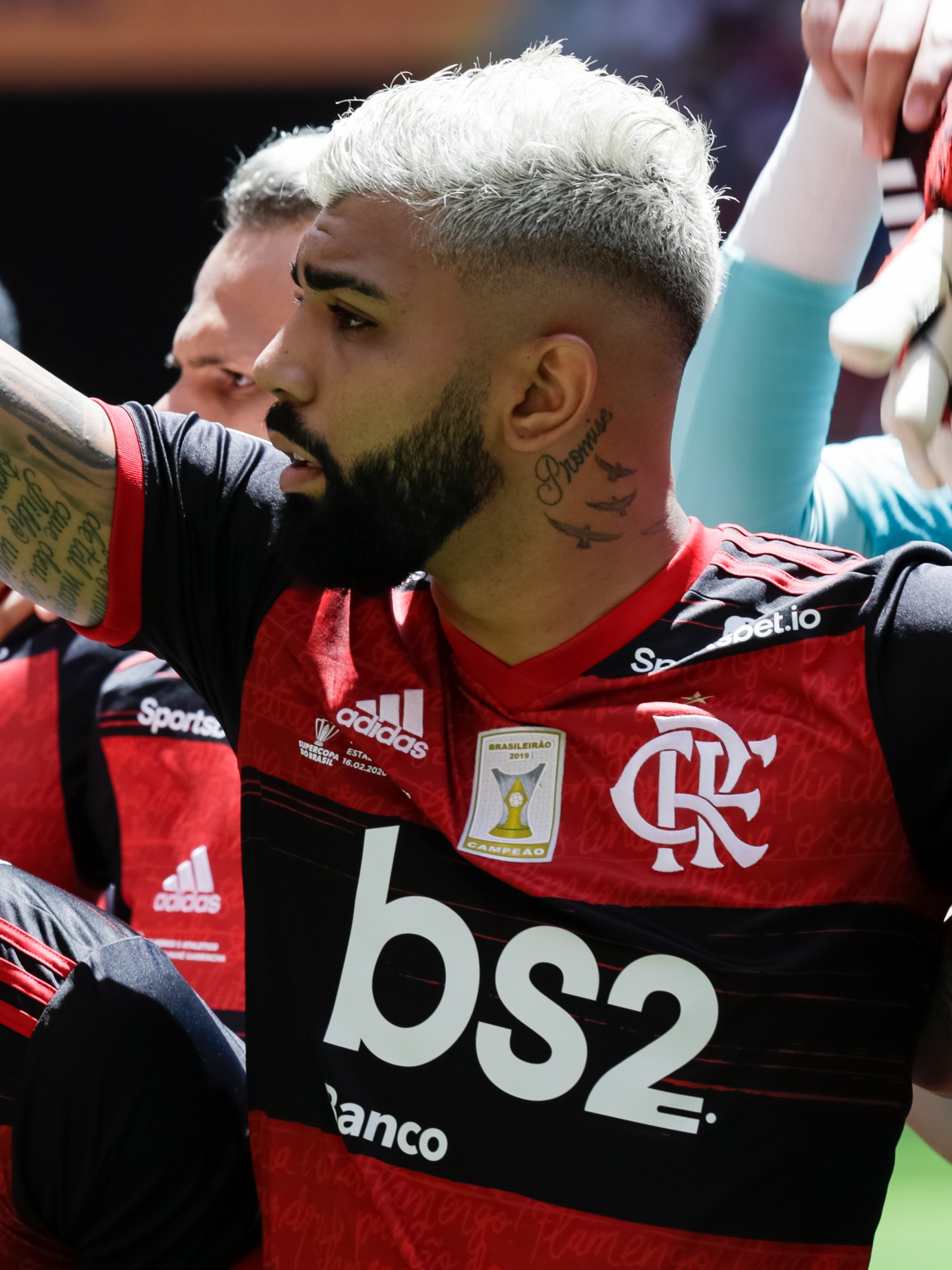
Gabriel Barbosa’s 2019 campaign fused a scorer’s repetition with one of the competition’s great shocks. He scored nine times to finish as the Libertadores’ leading marksman, thriving as Jorge Jesus moved Flamengo through quick combinations and aggressive counter-pressing. His left-footed finishing was the final action of a sophisticated attack, but he also stretched defences and created room for Bruno Henrique and Giorgian de Arrascaeta.
Gabriel scored twice against Emelec to erase a 2-0 first-leg deficit in the round of 16, then added another as Flamengo dismantled Grêmio 5-0 in the semi-final return. River Plate led the single-match final in Lima from the 14th minute until the 89th. Gabriel converted Arrascaeta’s square pass, then reacted to a long ball in stoppage time and finished again. In roughly three minutes, a looming defeat became a 2-1 victory and Flamengo’s second title.
Those final goals take Gabriel above Pedro because the ultimate match was not merely decorated by his finishing but inverted by it. Ronaldinho at 13 scored only four in 2013, yet his seven recorded assists and control of Atlético Mineiro’s attacking imagination persisted through repeated comeback situations. Gabriel owned the climax; Ronaldinho shaped more varieties of problem on the way there.
Rank 13: Ronaldinho, 2013
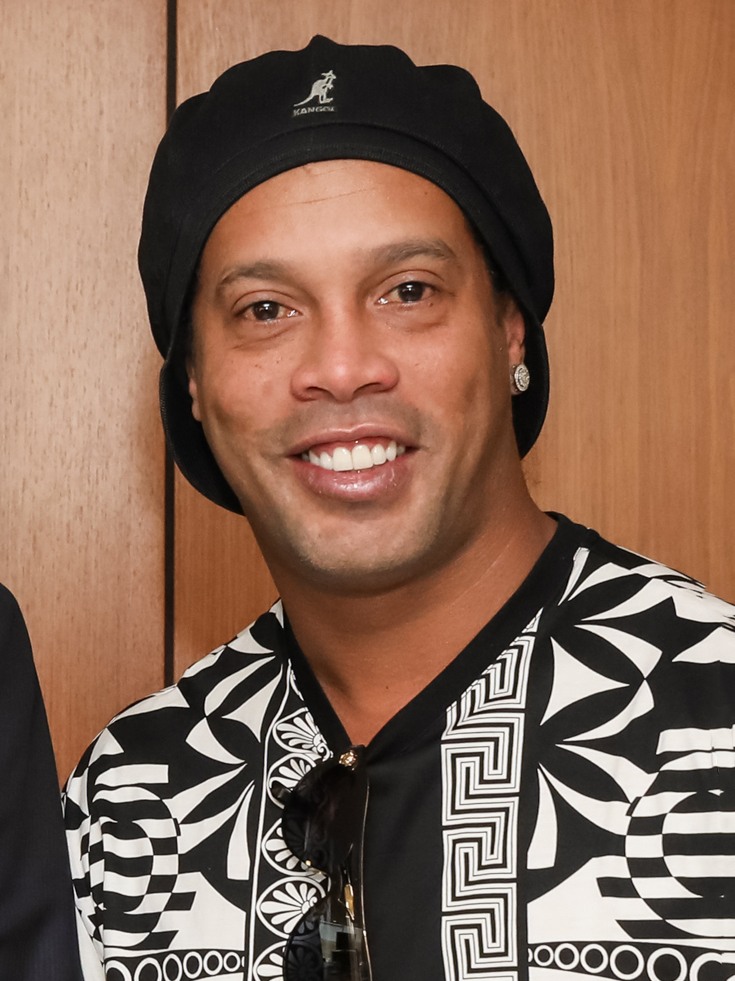
Ronaldinho’s European peak had passed by 2013, but his ability to see a match one pass early remained. Atlético Mineiro placed runners around him and let him wander towards whichever pocket offered most leverage. Four goals and seven recorded assists express the production. The greater value was permission: Bernard, Jô and Diego Tardelli attacked more boldly because Ronaldinho could find the next angle before the defence closed it.
Atlético won five of six group games, then lived dangerously. Ronaldinho helped them recover from a two-goal first-leg deficit against Newell’s Old Boys in the semi-final, sustaining attacks until Guilherme’s late goal forced a shootout. In the final, Olimpia again brought a 2-0 lead to Belo Horizonte. Ronaldinho’s delivery and constant probing kept the visitors defending ever deeper before Leonardo Silva’s 87th-minute header forced another shootout and Atlético’s first Libertadores. Ronaldinho rises above Gabriel Barbosa because he was the creative system across a 14-match campaign and remained composed through two large knockout deficits. Juan Ramón Verón at 12 did not match that breadth, but scored in all three matches of the 1968 final, including the late goal in the playoff that founded an Estudiantes dynasty. Ronaldinho enabled two rescues; Verón repeatedly supplied the final’s decisive edge himself.
Rank 12: Juan Ramón Verón, 1968
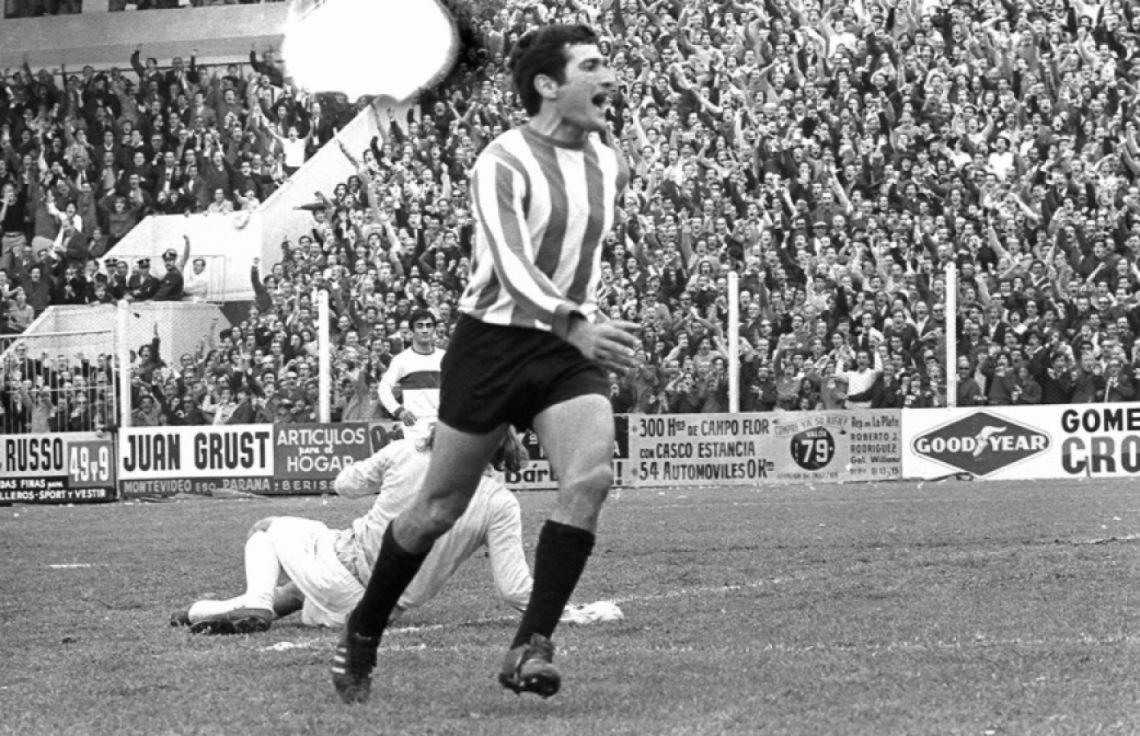
Juan Ramón Verón was the most elusive attacker in Osvaldo Zubeldía’s rigorously prepared Estudiantes. He could begin wide, exchange positions with the central forwards and arrive in the penalty area after opponents had followed the wrong movement. In 1968, when the club first translated its domestic rise into continental power, Verón’s timing made him the attacking counterweight to a side remembered too narrowly for structure and confrontation.
Palmeiras won the semi-final group and pushed Estudiantes into a three-match final. Verón scored the 83rd-minute equaliser in La Plata before Eduardo Flores won the match, then found the net again despite a 3-1 defeat in São Paulo. In the Montevideo playoff, Verón added the clinching second goal in the 82nd minute of a 2-0 victory. Scoring in every match of a final is rare enough; doing so to establish the first title in a run of three made the sequence foundational.
Verón’s three final goals place him above Ronaldinho because the title’s last stage repeatedly resolved around his finishing. Fernando Morena at 11 matched that directness while leading the entire 1982 competition with seven goals and settling the final in the 89th minute away from home. Verón created the dynasty’s first night; Morena combined a broader scoring campaign with an even later title winner.
Rank 11: Fernando Morena, 1982
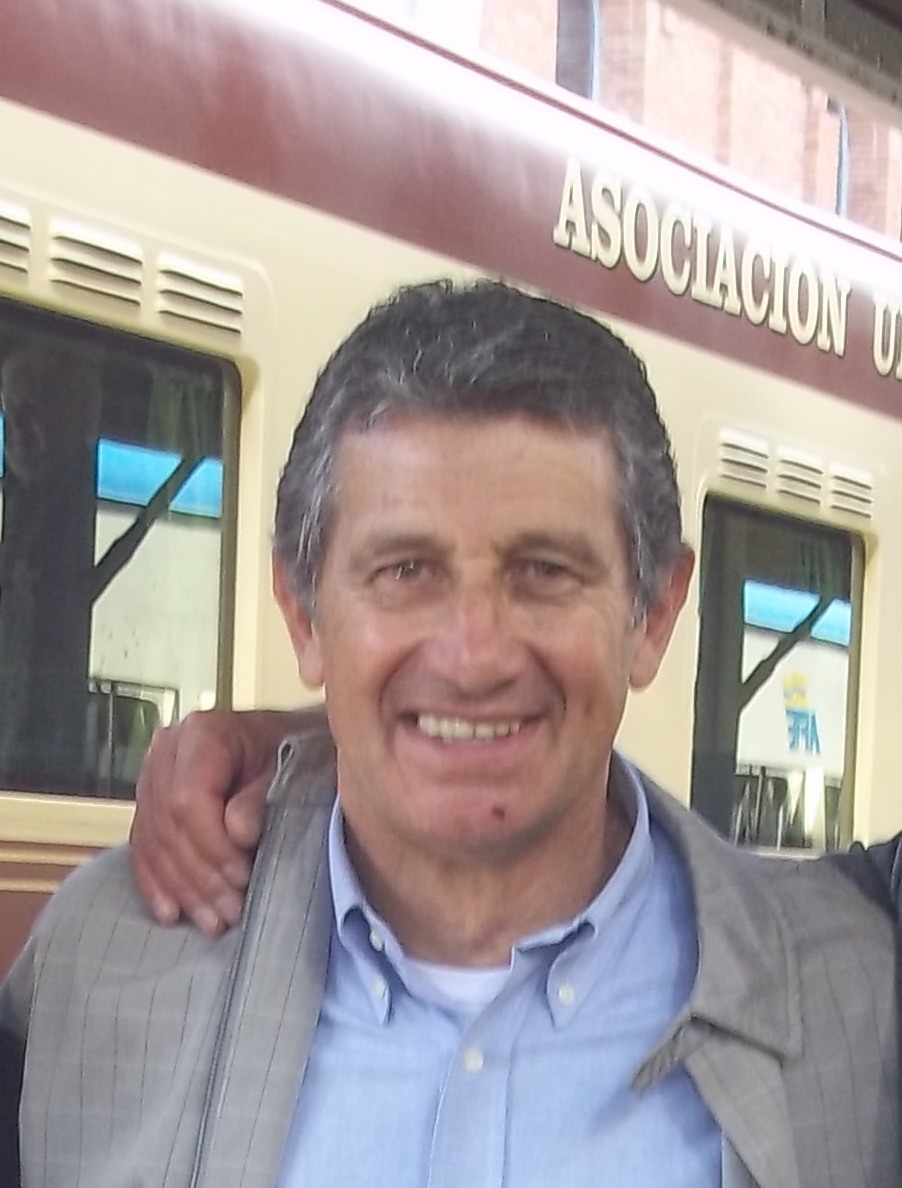
Fernando Morena had long been the defining Uruguayan scorer of his generation when Peñarol returned to the Libertadores summit in 1982. He no longer needed many touches. His advantage lay in reading where the second ball or cut-back would fall, protecting his finish from the defender and striking before the goalkeeper could set. Seven goals made him the competition’s outright leading scorer.
Morena scored through the semi-final group as Peñarol finished above Flamengo and River Plate, then met Cobreloa in the final. The first leg in Montevideo ended 0-0, leaving the Uruguayans to win in Santiago. With extra time almost certain, Jair Gonçalves drove a low cross into the area in the 89th minute. Morena arrived between defenders and finished the only goal, ending Peñarol’s 16-year wait for a fourth Libertadores.
That full-tournament scoring lead and last-minute away winner put Morena above Juan Ramón Verón, whose greatest work was compressed into the final.
René Higuita at 10 scored only twice, both penalties, but redefined what Atlético Nacional could risk in possession and then saved four kicks in the shootout that delivered Colombia’s first title. Morena completed a conventional striker’s campaign almost perfectly; Higuita made a goalkeeper’s campaign convention-defying.
Rank 10: René Higuita, 1989
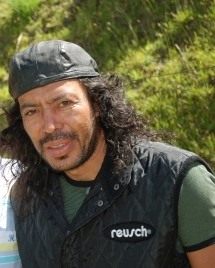
René Higuita’s starting position was nominally in goal, but Atlético Nacional built attacks with him. His readiness to advance outside the area offered Francisco Maturana’s young, all-Colombian side another passing angle and helped them resist the long clearances that normally followed continental pressure. The risks were visible, yet so was the gain: Nacional could keep their lines closer together and play through opponents rather than merely escape them.
Higuita scored penalties in group draws against Millonarios and Deportivo Quito. He then protected a knockout route through Racing Club, Millonarios and Danubio, whom Nacional beat 6-0 in the semi-final return. Olimpia won the first final 2-0; Nacional levelled the tie in Bogotá and took it through 18 kicks. Higuita saved four penalties as his side won 5-4, the decisive performance in Colombia’s first Libertadores title.
Higuita ranks above Morena because his influence extended from build-up to scoring and, finally, four title-winning saves, a range no conventional goalkeeper campaign can match. Alberto Spencer at nine played in the much shorter inaugural edition, but scored seven times in seven team matches and decided its first final. Higuita expanded a position’s possibilities; Spencer established the competition’s earliest standard of attacking consequence.
Rank 9: Alberto Spencer, 1960
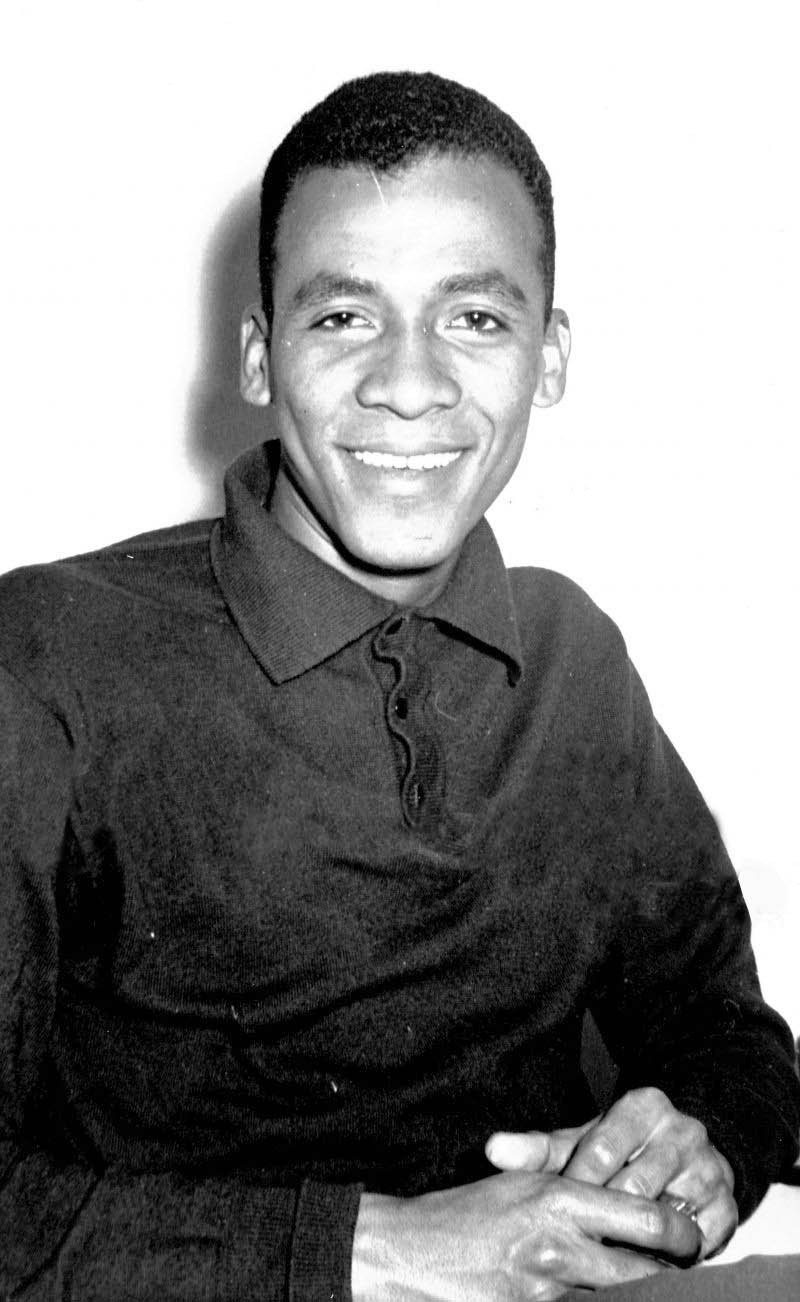
The Libertadores did not yet have its modern name, scale or rituals in 1960. Seven national champions entered the first Copa de Campeones de América, and Alberto Spencer immediately gave the new tournament a dominant scorer. The Ecuador-born Peñarol forward combined exceptional heading with anticipation on the ground, attacking the space ahead of defenders rather than waiting for the ball to arrive.
Spencer scored four times in the competition’s opening match, a 7-1 win over Jorge Wilstermann. After two tight semi-final draws with San Lorenzo, he scored both goals in the 2-1 playoff victory. The first final against Olimpia remained goalless until the 79th minute, when Spencer supplied its only goal. Peñarol drew 1-1 in Asunción and became the inaugural champion; his seven goals accounted for half of their tournament total.
Spencer’s final winner and extraordinary share of Peñarol’s output take him above Higuita, despite the edition’s limited field and seven-match route. Neymar at eight scored six across a 13-match modern campaign, contributed as a creator and struck in the quarter-final, semi-final and final. Spencer was the first competition’s finisher; Neymar had to solve a wider succession of tactical and geographical tests.
Rank 8: Neymar, 2011

At 19, Neymar arrived in the Libertadores with celebrity already attached but continental proof still to provide. Santos did not cruise through the group, and Muricy Ramalho’s appointment brought greater defensive restraint around a gifted attack. Neymar remained the release: receiving wide, accelerating across a full-back’s path and combining with Paulo Henrique Ganso before choosing between a pass and a finish.
His six goals were weighted towards the decisive phase. Neymar scored in the second leg of the quarter-final against Once Caldas and in the semi-final return at Cerro Porteño. After a goalless first final in Montevideo, Peñarol defended compactly in São Paulo until Neymar exchanged passes with Arouca and drove the opening goal inside the near post. Santos won 2-1, ending a 48-year wait for a third Libertadores.
Neymar’s creativity, modern route and final breakthrough place him above Spencer’s shorter inaugural campaign. Daniel Onega at seven did not become champion, but scored a still-unmatched 17 goals over 20 River Plate matches and found the net in two of the three final matches. Neymar ended with the medal; Onega sustained a scoring burden so extreme that the losing outcome cannot move it below eighth.
Rank 7: Daniel Onega, 1966

The 1966 format was expansive in a different way from the modern competition. River Plate played ten first-round games, six in a semi-final group, a playoff to win that group and three finals. Daniel Onega appeared across all 20 and scored 17 times, the CONMEBOL-recognised single-edition record that remained intact through 2025. One public match archive’s scorer attributions add to 18, so 17 is used here as the official figure while the historical conflict is preserved. The long route created opportunity, but it also required production through almost four months without a knockout reset.
Onega scored ten in the opening group, then five more as River edged Independiente in the semi-final section and playoff. Peñarol won the first final 2-0; Onega equalised in River’s 3-2 return victory and opened the scoring in the Santiago playoff. River led 2-0, only for Peñarol to equalise and win 4-2 after extra time. The greatest statistical scoring campaign therefore ended with Onega watching the trophy pass in the other direction. Seventeen goals and two across the final sequence lift Onega above Neymar even without a title. Norberto Raffo at six scored three fewer in 17 appearances, but his final-playoff goal completed Racing’s first conquest after another 20-match campaign. Onega owns the unsurpassed peak; Raffo pairs nearly comparable volume with the last, indispensable act of a champion.
Rank 6: Norberto Raffo, 1967
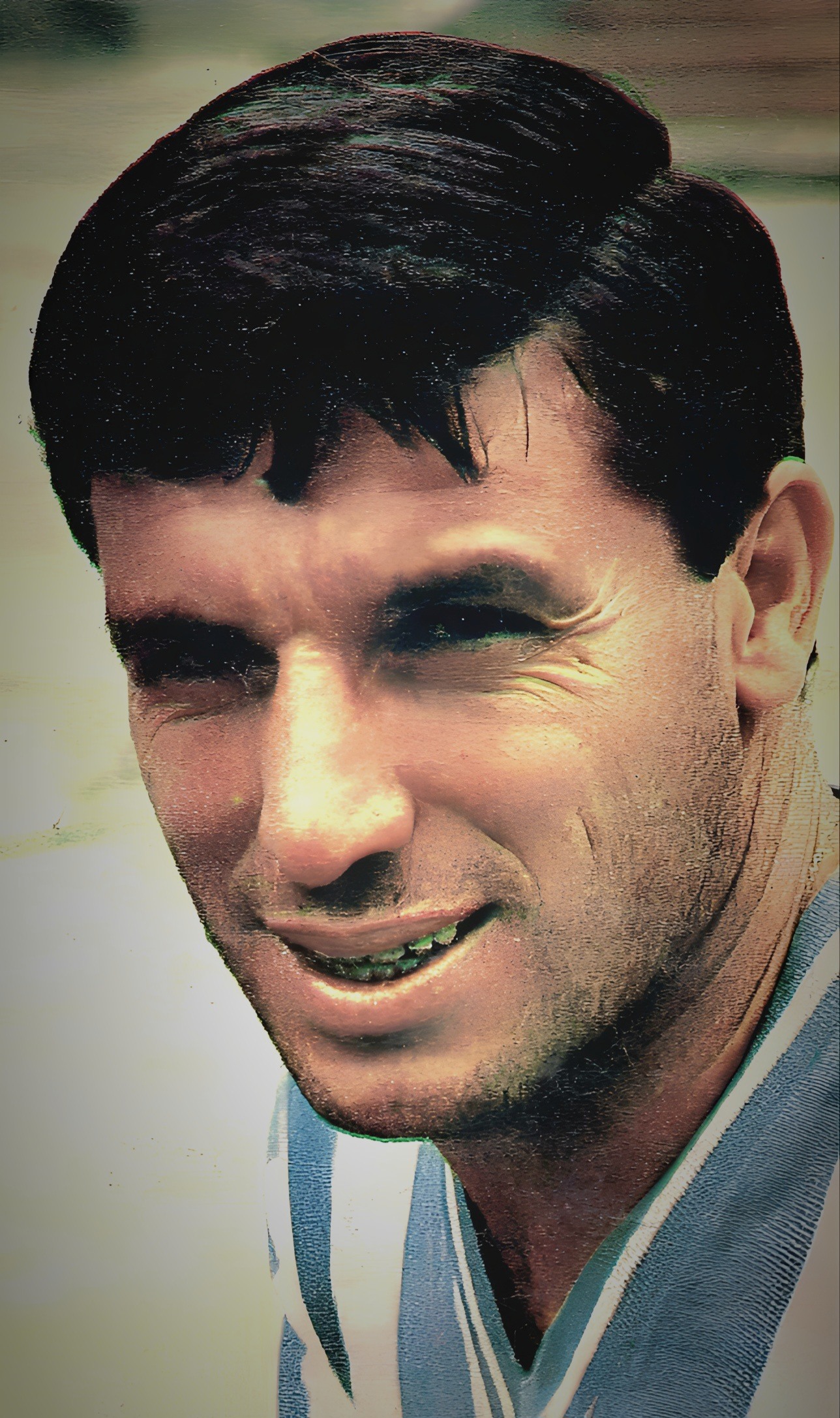
Norberto Raffo joined Racing after their 1966 domestic title and adapted immediately to Juan José Pizzuti’s collective. At 1.70 metres he was not an imposing target in the conventional sense, yet his timing made him an exceptional header of the ball.
He worked across the centre-backs, finished with either foot and gave the celebrated *Equipo de José* a reliable point to all its movement.
Racing played 20 Libertadores matches, winning 14, and Raffo scored 14 times in his 17 appearances. The champion had already survived a semi-final group containing River Plate and Universitario when Nacional held them to two goalless final legs. In the playoff in Santiago, Raffo struck Racing’s second goal in a 2-1 victory. A campaign built on recurring goals finished with one that the trophy could not do without.
Raffo goes above Onega because he combined an exceptional total with a scoring intervention in the title playoff; the difference between 14 and 17 is smaller than the difference between completion and collapse. Palhinha at five scored 13 in 1976 and hit three across the first two final legs against River. Raffo supplied the clincher; Palhinha was the attacking centre of a champion that broke a 12-year Argentine and Uruguayan hold on the cup.
Rank 5: Palhinha, 1976
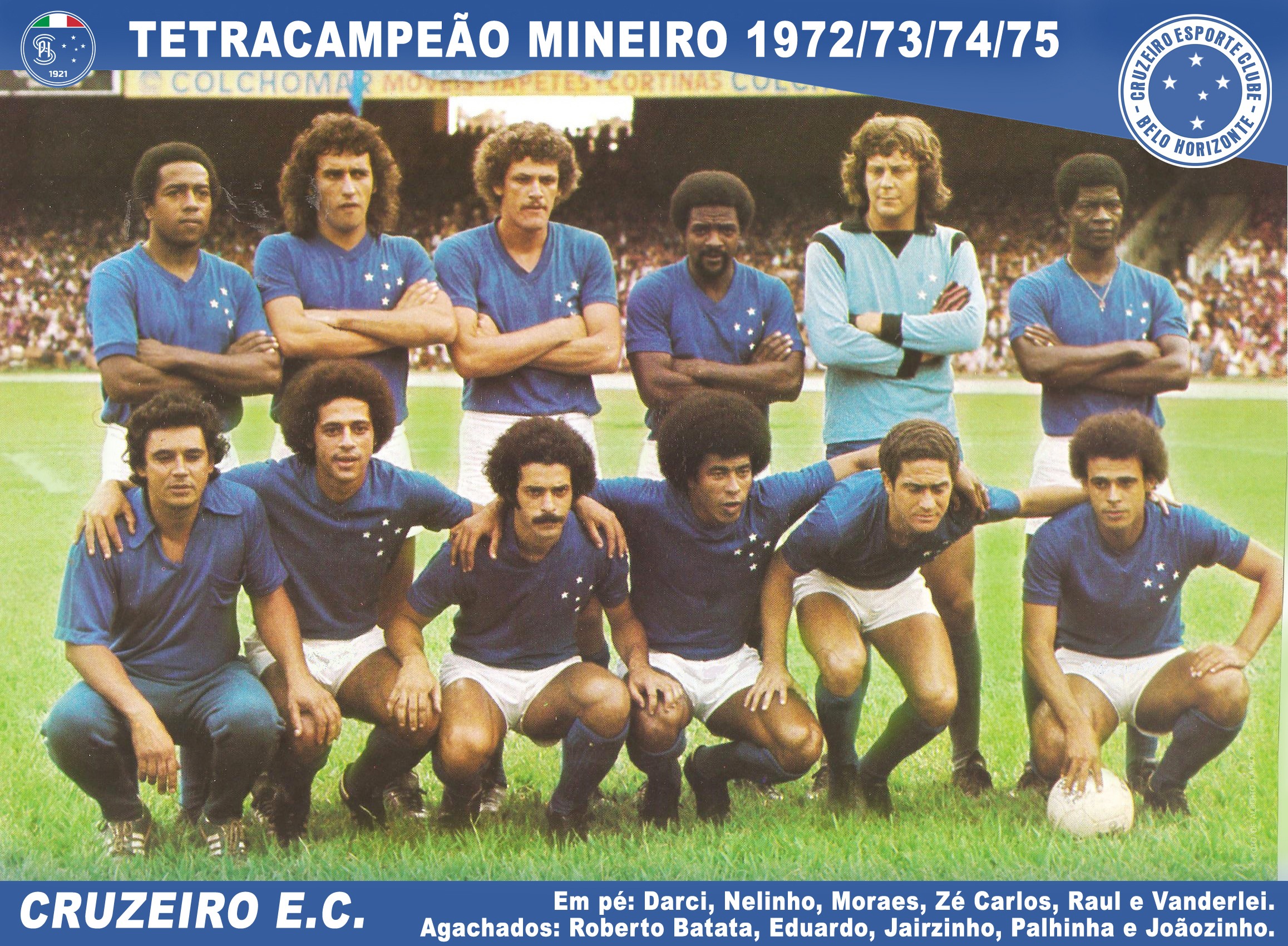
Cruzeiro’s football in 1976 could be sumptuous, with Joãozinho’s dribbling, Jairzinho’s experience and Nelinho’s attacking from full-back, but Palhinha gave it direction. He could combine outside the area and then attack it before the defence recovered. Thirteen goals made him the Libertadores’ leading scorer and placed him at the heart of a Brazilian side challenging an unbroken run of champions from Argentina and Uruguay since Santos in 1963.
Palhinha scored twice as Cruzeiro beat Internacional 5-4 in a remarkable group match and kept producing through the semi-final section. Against River Plate he struck twice in the 4-1 first-leg final win in Belo Horizonte, then equalised in the 2-1 defeat at the Monumental. He did not score in the Santiago playoff, but his movement occupied River until Joãozinho’s 88th-minute free-kick made Cruzeiro 3-2 winners.
Three final goals and the historical force of Cruzeiro’s breakthrough put Palhinha above Raffo, whose title contribution was equally decisive but slightly less varied. Germán Cano at four also scored 13 in a modern competition, seven of them from the quarter-finals onwards including the goal that opened Fluminense’s first winning final. Palhinha ended a continental sequence; Cano’s week-to-week scoring map is even harder to escape.
Rank 4: Germán Cano, 2023
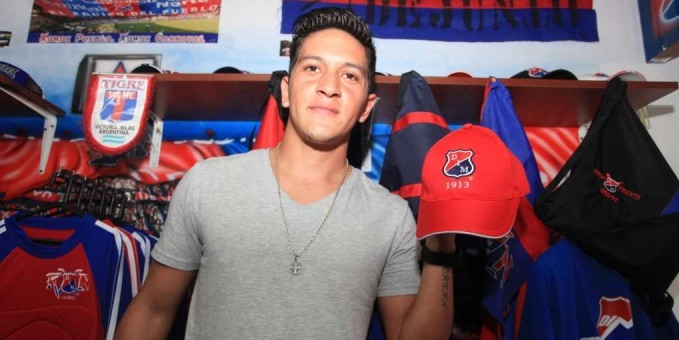
Germán Cano was 35 when Fluminense built an attacking system that seemed designed to reject fixed ideas of age and position. Fernando Diniz’s players crowded the ball, exchanged zones and invited pressure; Cano supplied the straight line within that swirl. He would vacate the centre to connect, then reappear behind defenders with the shot already prepared. Thirteen goals made him the modern era’s most prolific champion.
A group-stage hat-trick came in the 5-1 defeat of River Plate. Argentinos Juniors kept Cano scoreless in the round of 16, but he answered with three goals across the quarter-final against Olimpia and three more in the semi-final with Internacional, including two in the decisive away comeback. At the Maracanã against Boca Juniors, he met Keno’s low cross to open the final. Fluminense eventually won 2-1 after extra time, their first Libertadores secured with Cano having scored seven times from the last eight onwards.
Cano ranks above Palhinha because 13 goals were distributed across a standardised modern route and repeatedly answered stronger knockout opposition, rather than peaking in one final series. Pelé at three played only four matches in 1963 because holders Santos entered at the semi-finals. Five goals in those four, a semi-final hat-trick and mastery of La Bombonera make that short campaign too concentrated with greatness to leave below Cano.
Rank 3: Pelé, 1963

Santos entered the 1963 competition at the semi-finals as holders, a privilege that makes direct numerical comparison impossible. Pelé nevertheless filled all four matches with consequence. Against a Botafogo side containing Garrincha, Nílton Santos, Didi and Jairzinho, he scored a last-minute equaliser in São Paulo and then a hat-trick at the Maracanã. The 4-0 return turned Brazil’s defining club rivalry of the moment into a demonstration.
Boca Juniors recovered from 3-0 down to lose the first final 3-2, carrying genuine belief into La Bombonera. They went ahead immediately after half-time. Pelé slipped the pass for Coutinho’s quick equaliser, then received the return from his strike partner in the 82nd minute, nutmegged a defender and finished into the corner. Santos became the first Brazilian club to win an official match at Boca’s ground and the first Brazilian Libertadores holders to retain the title.
Pelé’s four-match sample keeps him below the top two, but its density, opposition and away-final command take him above Cano. Juan Román Riquelme at two governed 11 matches in 2007, scored eight goals and produced three across a five-goal final victory. Pelé compressed dominance into one month; Riquelme imposed his interpretation on every knockout round of a modern campaign.
Rank 2: Juan Román Riquelme, 2007
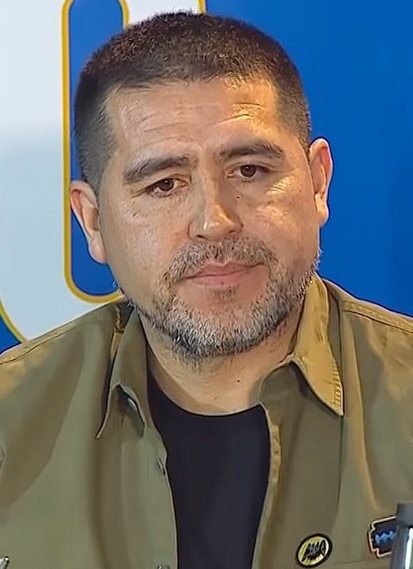
Juan Román Riquelme returned to Boca Juniors on loan with little preparation and made the 2007 Libertadores obey his pace. He protected the ball until a defender committed, drew fouls in areas that became shooting positions and used the pause before a pass as an attacking weapon. Boca were not merely a vehicle for his set pieces. Their spacing, patience and confidence all took their cue from the number ten. Riquelme scored in every knockout round. His free-kick began the semi-final recovery from a 3-1 defeat at Cúcuta, Boca winning the return 3-0. In the final he scored once in the 3-0 home win over Grêmio, then twice in Porto Alegre: a low free-kick around the wall and a controlled finish after Sebastián Saja’s save. Boca won 5-0 on aggregate, the largest final margin of the two-legged era, with Riquelme responsible for three of the five.
That sustained authorship places Riquelme above Pelé’s shorter, holder-assisted route, even though Pelé’s peak opposition was greater. Zico at number one combined the advantages of both: 11 goals over a 13-match campaign and all four Flamengo goals in a three-match final. Riquelme controlled the most complete modern playmaking run; Zico coupled similar authority with an unmatched monopoly on the title itself.
Rank 1: Zico, 1981
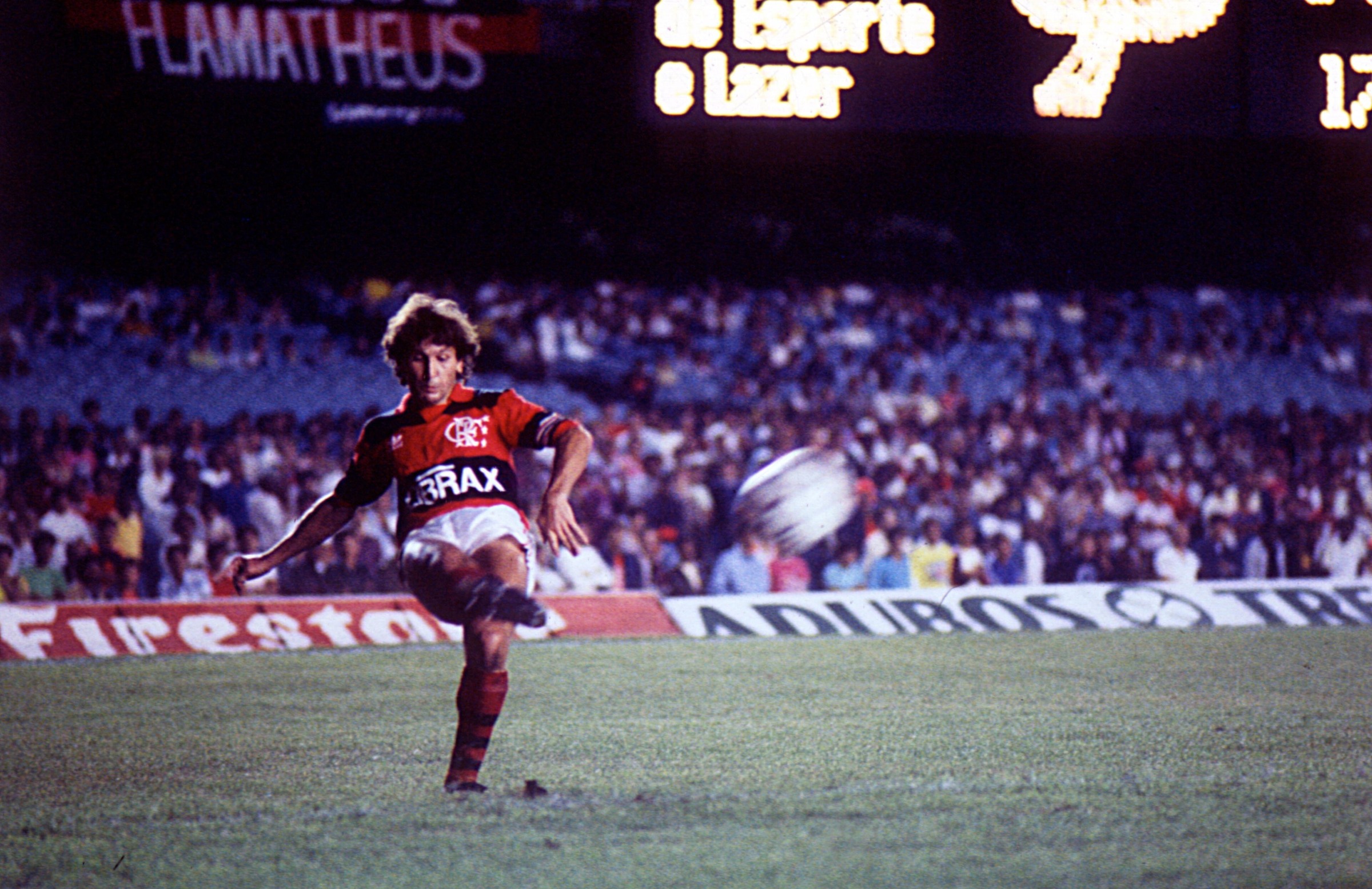
Zico’s 1981 Libertadores did not ask Flamengo to choose between a creator and a scorer. Their number ten was both. He moved off the front to combine with Adílio and Tita, accelerated attacks with precise first-time passes and arrived in the area with a centre-forward’s judgement. Eleven goals made him the tournament’s top scorer, but the total sits inside a wider control of tempo, territory and responsibility.
Flamengo won all four matches in the semi-final group, with Zico scoring twice against Deportivo Cali. Cobreloa then turned the final into a severe three-match contest.
Zico scored twice in the 2-1 Maracanã win; after Flamengo lost 1-0 in Santiago, he struck both goals in the neutral playoff at the Centenario. The second, a late free-kick, completed a 2-0 victory. Every Flamengo goal in the final series had come from him.
Riquelme’s 2007 is the closest challenge because it married creation, goals and final command across a modern bracket. Zico remains first because he carried that same breadth while becoming the sole scorer of a champion’s entire three-match final and the leading marksman of the whole edition. The choice is not a career verdict. It is recognition that, in 1981, the Libertadores’ central question kept reaching Zico and he supplied every form of answer.



.jpg)

.jpg)


.jpg)
.jpg)
.jpg)


