

Ranking Asia’s greatest men’s players
From pre-professional standard-setters to European champions, these are the men who played Asian football to its highest level. Asia does not offer one neat football history. Its best players emerged from company teams in post-war Japan, Iran’s dominant 1970s side, the Saudi club-country axis, professional leagues across the continent and, eventually, Europe’s strongest competitions. Counting international goals alone would reward some environments and erase others. Treating a European transfer as proof of superiority would make the opposite mistake.
Our rankings ask which men produced the most valuable football, for long enough, against the strongest opposition available to them. Peak and sustained performance carry most weight. Major-tournament influence, club achievement, technical and tactical quality, leadership, and a player’s effect on his football culture matter too. Numbers retain their scope: a goal in an Asian Cup final is not interchangeable with one in a regional invitational, and a medal does not establish how its owner played.
Eligibility follows football affiliation, not birthplace or ancestry. A player needed a senior men’s appearance while his association belonged to the AFC. Australia enters from 1 January 2006: anyone whose senior career continued beyond that point is eligible, with his whole career assessed. Israel was an AFC member from 1956 until 1974, so overlapping senior internationals were considered; later UEFA-only players were not. Kazakhstan’s UEFA-era players received the same treatment. This is not a ranking of Asian heritage. Our rankings are a judgement, not a formula, but every position must survive the same test: what did the player do, how difficult was it, and why does his record belong above the names immediately below?
Our rankings at a glance
| Rank | Player | Country or team | Central reason |
|---|---|---|---|
| 1 | Son Heung-min | Korea Republic | Asia’s highest sustained attacking level in the modern club game |
| 2 | Cha Bum-kun | Korea Republic | two UEFA Cups and a decade of Bundesliga power |
| 3 | Hong Myung-bo | Korea Republic | captain and Bronze Ball winner in a World Cup semi-final run |
| 4 | Hidetoshi Nakata | Japan | Serie A authority when the league was at its deepest |
| 5 | Ali Daei | Iran | the first man to score 100 senior international goals |
| 6 | Park Ji-sung | Korea Republic | tactical trust at Manchester United’s European peak |
| 7 | Majed Abdullah | Saudi Arabia | the striker who led Saudi Arabia’s arrival as an Asian power |
| 8 | Tim Cahill | Australia | 50 international goals and a scorer at three World Cups |
| 9 | Kunishige Kamamoto | Japan | seven goals and bronze at the 1968 Olympics |
| 10 | Keisuke Honda | Japan | Japan’s most decisive World Cup attacker |
| 11 | Shunsuke Nakamura | Japan | set-piece master who became Celtic’s creative authority |
| 12 | Sami Al-Jaber | Saudi Arabia | scorer across three World Cups and leader of Al Hilal’s continental age |
| 13 | Harry Kewell | Australia | world-class attacking talent, constrained by injury |
| 14 | Zheng Zhi | China | captain of Chinese club football’s continental breakthrough |
| 15 | Mehdi Mahdavikia | Iran | pace, delivery and sustained Bundesliga value |
| 16 | Ali Karimi | Iran | Asia’s most audacious dribbler at full international force |
| 17 | Akram Afif | Qatar | the outstanding player in two Asian Cup-winning campaigns |
| 18 | Shinji Kagawa | Japan | creative accelerator for Jürgen Klopp’s first Dortmund champions |
| 19 | Salem Al-Dawsari | Saudi Arabia | Al Hilal match-winner with a global tournament signature |
| 20 | Makoto Hasebe | Japan | Asia’s Bundesliga appearance record and a captain’s complete defensive intelligence |
| 21 | Younis Mahmoud | Iraq | captain, scorer and emotional centre of Iraq’s Asian Cup miracle |
| 22 | Mark Schwarzer | Australia | two decades of elite reliability and Australia’s route into Asia |
| 23 | Parviz Ghelichkhani | Iran | the spine of three consecutive Asian Cup champions |
| 24 | Kim Min-jae | Korea Republic | a title-winning defender at Europe’s elite level |
| 25 | Yasuhito Endo | Japan | the metronome behind Japan and Gamba Osaka |
| 26 | Lee Woon-jae | Korea Republic | pressure-proof keeper for Asia’s deepest World Cup run |
| 27 | Server Djeparov | Uzbekistan | two-time AFC Player of the Year and Central Asian reference point |
| 28 | Nasser Hejazi | Iran | authority at the heart of Iran’s first golden age |
| 29 | Kazuyoshi Miura | Japan | the star who made Japanese professionalism feel possible |
| 30 | Mokhtar Dahari | Malaysia | Southeast Asia’s most formidable historical scorer |
Rank 30: Mokhtar Dahari
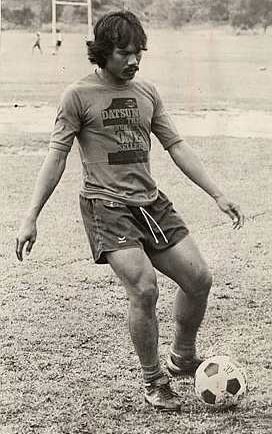
Mokhtar Dahari’s totals need defining before they can be admired. RSSSF’s match-by-match reconstruction credits him with 89 goals in 142 senior internationals from 1972 to 1985; broader Malaysian tallies include matches against B teams, clubs and selections. Even on the stricter count, the production across regional and continental competitions is extraordinary.
The footage explains the nickname “SuperMokh” better than the mythology does. Short and powerfully built, he could separate from defenders, strike through the ball from distance and attack a cross without needing to dominate physically in the air. He was the cutting edge of a Malaysia side capable of competing credibly beyond Southeast Asia, scoring at the 1976 Asian Cup and helping qualify for the 1980 Olympics, which Malaysia then boycotted.
Mokhtar opens rather than climbs higher because the evidential record is uneven and his club career at Selangor is difficult to compare with later fully professional leagues. The substance is still too large to exclude. He edges the closest omissions by combining regional supremacy with documented productivity against senior national teams.
Rank 29: Kazuyoshi Miura

Kazuyoshi Miura’s greatest achievement was not playing into his fifties. Longevity became the curiosity, but the prime was real. He left Japan as a teenager to learn in Brazil, returned with the one-against-one swagger his country lacked, and became the face of the J.League as it launched in 1993. His movement was sharp, his finishing inventive and his theatrical confidence useful in a football culture learning to sell ambition as well as organise it.
Japan’s first Asian Cup title in 1992 gives the career its competitive anchor. Miura was the tournament’s most valuable player, and his late winner against Iran kept the hosts alive. FIFA records 55 goals in 89 appearances. He also scored early in the decisive 1993 qualifier against Iraq, only for Japan’s first World Cup place to disappear with the final kick. The cruel sequel was his omission from the 1998 squad. Miura ranks below Asia’s more complete continental and global careers because he never played at a World Cup and his European spells, including Genoa, were brief rather than transformative on the pitch. He stays above the cut because he combined elite domestic play and international output with rare catalytic importance: Japan’s professional revolution had many architects, but only one “King Kazu”.
Rank 28: Nasser Hejazi

Nasser Hejazi looked like a goalkeeper from a later era: tall, elastic and comfortable holding a high starting position rather than remaining rooted to his line. At his best he narrowed angles early and turned reach into clean handling, an important distinction in a period when heavy pitches and crowded penalty areas made every loose ball dangerous.
He was Iran’s first-choice goalkeeper when they retained the Asian Cup in 1972, and belonged to the squad that won again in 1976, although Mansour Rashidi played that final. Hejazi then started as Iran reached the 1976 Olympic quarter-finals and at the country’s first World Cup in 1978. His saves and command in the 1-1 draw with Scotland held up against opponents from a deeper professional system. At club level, he won the 1970 Asian Club Championship with Taj, later Esteghlal.
Hejazi is below the more extensively documented modern greats, and claims around his uncompleted Manchester United move are too uncertain to carry ranking weight. He is above Miura because he was central to continental-winning and global-tournament sides in Asia’s strongest national team of his decade, not only a symbol of what might come next.
Rank 27: Server Djeparov

Server Djeparov was not a highlight-reel dribbler masquerading as a controller. He was a mobile left-footed playmaker who understood where the next phase of an attack would open.
Starting from a central or advanced midfield position, he changed the point of play quickly, arrived for the second ball and supplied set pieces with whip rather than decoration.
The AFC named him Player of the Year in 2008 after his work for Bunyodkor and Uzbekistan, then again in 2011. The second award followed Uzbekistan’s first Asian Cup semi-final and FC Seoul’s run to the AFC Champions League quarter-finals. Only a small group has won the modern award twice.
Individual awards cannot settle a cross-era ranking, especially because the AFC’s eligibility rules have varied and at times privileged players based in Asia. That is why Djeparov is not lifted above men with stronger World Cup or European evidence. He nevertheless ranks ahead of Hejazi on the combination of two separately earned continental peaks, creative responsibility and longevity as Uzbekistan’s attacking reference. No other Central Asian candidate built quite as persuasive a senior body of work while his association belonged to the AFC.
Rank 26: Lee Woon-jae
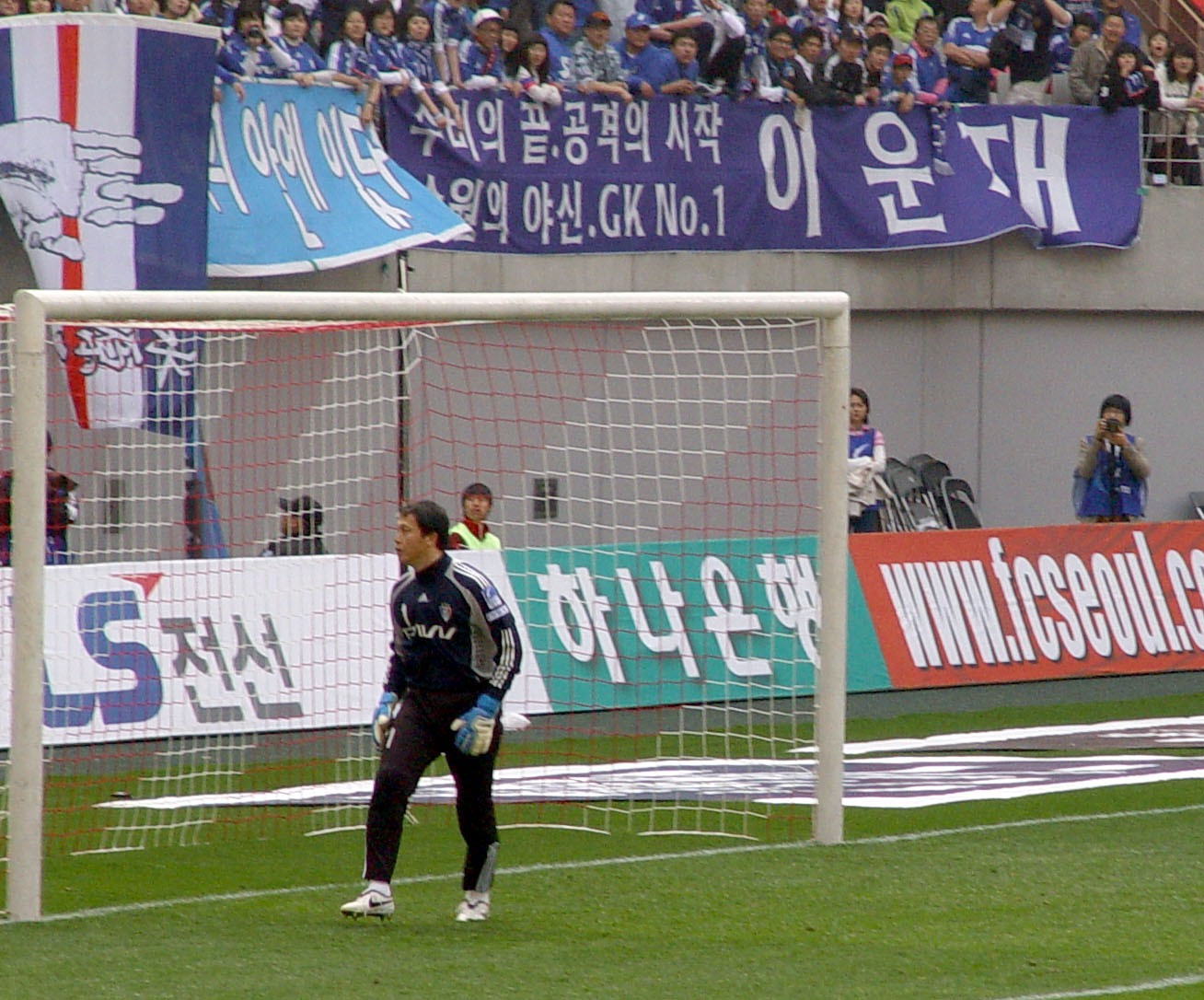
The photograph is unavoidable: Lee Woon-jae moving low to his left, Joaquín’s quarter-final penalty pushed away, Korea Republic one kick from the 2002 World Cup semi-finals. Yet Lee’s value in that tournament was broader than the shoot-out. He kept a compact side calm, set himself early behind a confrontational defensive line and conceded only once across the group stage. Against Spain, his patience forced takers to reveal their choices rather than selling himself with premature movement.
Lee appeared at four World Cups, starting in three, and the Korea Football Association records 133 appearances. As captain at the 2007 Asian Cup, he saved in shoot-outs against Iran and Japan, helping a low-scoring Korea side finish third. At Suwon Samsung Bluewings he won major domestic and Asian club honours while developing a reputation for reading penalties rather than guessing wildly.
He sits below Yasuhito Endo because a goalkeeper’s decisive moments cannot quite match the midfielder’s season-by-season influence over both club and country. Lee remains above Djeparov because his best work came under the heaviest available pressure and directly sustained the greatest World Cup run by an AFC nation. For an Asian goalkeeper, that is unmatched proof at the global level.
Rank 25: Yasuhito Endo
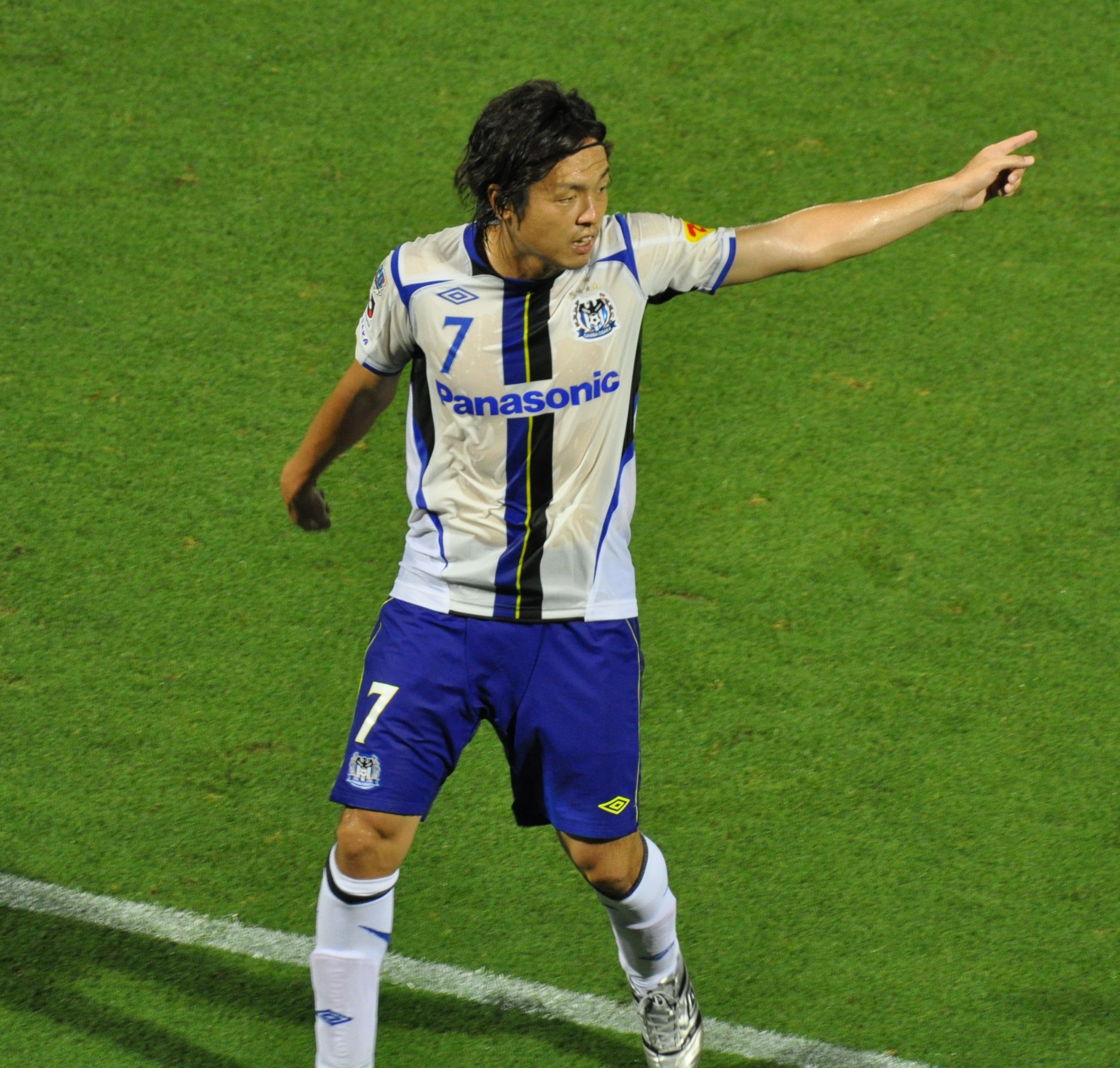
Yasuhito Endo made unhurried football in crowded areas. He was neither physically imposing nor spectacular over the first five metres, but his scanning allowed him to receive side-on, shift an opponent with one touch and release the ball before pressure became a duel. Free kicks and penalties added visible output; the deeper achievement was controlling tempo without reducing it to caution.
The JFA credits Endo with 152 caps and 15 goals, a national record when he retired internationally. He won the Asian Cup in 2004 and 2011, played at three World Cups and scored a precise free kick against Denmark as Japan reached the 2010 last 16. Gamba Osaka won the 2008 AFC Champions League with Endo as its most valuable player, and he was AFC Player of the Year in 2009. A long run of J.League Best XI selections reflects sustained command. Endo ranks behind Kim Min-jae because the defender established himself closer to the summit of the global club game. He leads Lee Woon-jae because he shaped far more possessions across a similarly long international career, with continental proof for club and country. The absence of a glamorous European chapter should not disguise how complete his Asian career was.
Rank 24: Kim Min-jae

Few Asian centre-backs have been asked to defend as much open grass as Kim Min-jae. His best quality is not simply recovery pace; it is the conviction to step out before the pass reaches a forward, win the duel and keep his team attacking. That aggression can expose him when the read is late, but at Napoli in 2022/23 it transformed build-up and rest defence. The club won its first Serie A title in 33 years, and the league named Kim its best defender.
At Bayern Munich, Kim has played Champions League knockout football, defended in both high and deeper blocks, and won the Bundesliga. FIFA’s pre-2026 World Cup squad list gave him 82 Korea Republic caps and four goals; he then started in his second finals. His international peak has not produced a major senior medal, and injury removed him from the 2022 round-of-16 defeat by Brazil after an excellent group stage.
That missing national-team landmark keeps Kim below Parviz Ghelichkhani and the established top twenty. He is already above Endo because excelling as a central defender for a Serie A champion, then remaining at an elite European club, represents a higher week-to-week examination than almost any Asian defender has passed. His final ceiling may be higher still.
Rank 23: Parviz Ghelichkhani
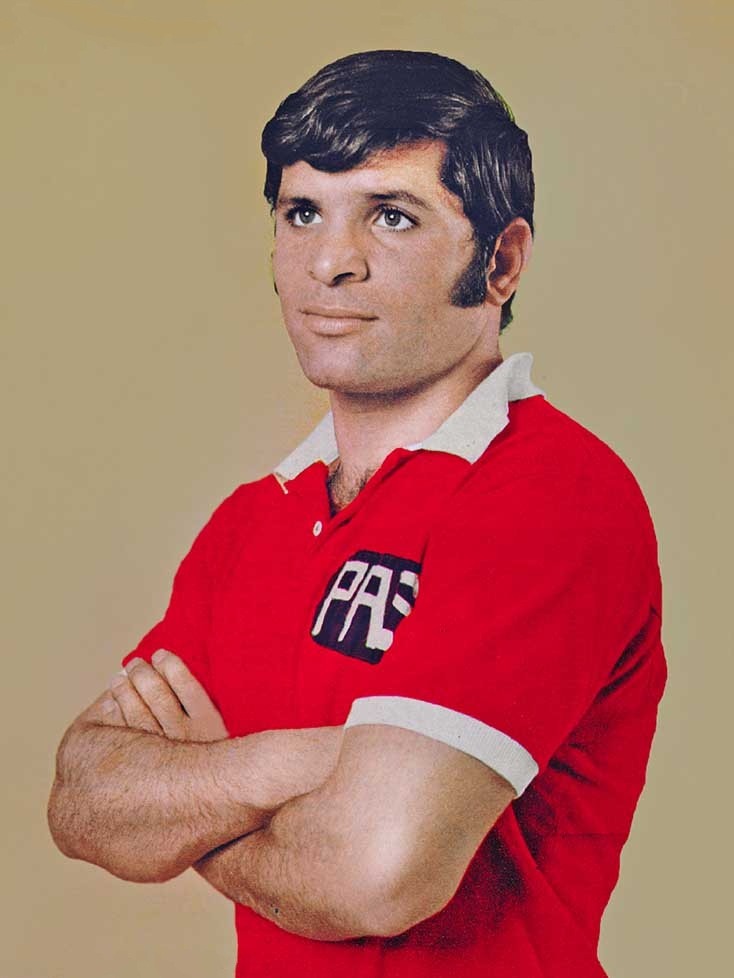
Iran won the Asian Cup in 1968, 1972 and 1976. Parviz Ghelichkhani was the connective tissue across all three, the only player whose influence truly spans the dynasty. He could protect the centre as a defender, step into midfield to organise possession and strike the ball with unusual force from range. In an era of less rigid positional labelling, he was the player who allowed Iran to change shape without making a substitution.
The tournament record contains more than participation. Ghelichkhani scored the late goal against Israel that effectively secured the 1968 title under the round-robin format. Four years later, his extra-time strike defeated Cambodia in the semi-final. By 1976 he was captain, anchoring an Iran side that won every match without conceding. His wider international career included two Olympic tournaments and the 1966 Asian Games final, giving the peak a long competitive runway.
Full-match evidence is scarcer, appearance totals vary by classification and his club career lacked later players’ transcontinental testing. That keeps him outside the top twenty.
Ghelichkhani ranks above Kim because three continental triumphs, with changing roles and decisive interventions, constitute a complete international dynasty rather than an extrapolation from elite club form.
Rank 22: Mark Schwarzer

Mark Schwarzer’s best saves were rarely theatrical. At 1.94 metres he made the goal look smaller, held his position and used strong hands to divert shots away from second chances. That economy helped him survive the Premier League’s stylistic changes for nearly two decades. The league records 514 appearances and 151 clean sheets, including the first 500 appearances by a player from outside the United Kingdom and Ireland. His Australian career supplies the drama. Schwarzer saved two penalties in the 2005 play-off shoot-out against Uruguay that ended a 32-year World Cup absence. Australia qualified through Oceania, then joined the AFC on 1 January 2006; his subsequent senior appearances make him eligible here, and his whole career is assessed. He started at the 2006 and 2010 World Cups, and played every minute as Australia reached the 2011 Asian Cup final. Football Australia credits him with 109 caps and 44 clean sheets.
Schwarzer is below Younis Mahmoud because the Iraqi captain decided a continental title rather than stopping one match short. He is above Ghelichkhani because his club evidence is unusually robust: hundreds of top-flight matches and outstanding seasons at Middlesbrough and Fulham. Reliability at that level is itself a peak.
Rank 21: Younis Mahmoud

The 2007 Asian Cup final needed one decisive football action, not a symbol, and Younis Mahmoud supplied it. He peeled towards the back post as Hawar Mulla Mohammed’s corner travelled, held off his marker and headed Iraq past Saudi Arabia. It was his fourth goal of the tournament. The AFC named him its most valuable player, a judgement supported by his work beyond finishing: he occupied centre-backs, protected direct passes and gave a fragmented team somewhere to advance together.
Mahmoud was not a one-tournament phenomenon. The AFC records 57 goals in 148 Iraq appearances. He scored in four Asian Cups and returned in 2015 to captain Iraq to another semi-final. Much of his best club football came in Qatar, where he repeatedly won league and scoring honours, although that offered less stringent evidence than Europe’s leading competitions.
That club-level limitation places him just outside the top twenty and below Makoto Hasebe, whose continental title was reinforced by a record-setting Bundesliga career. Mahmoud ranks above Schwarzer because he owned the defining moments of a continental championship from an outfield leadership role. Context makes the 2007 story moving; performance makes it relevant to the ranking.
Rank 20: Makoto Hasebe

Makoto Hasebe lengthened an elite career by seeing the game earlier. He began as a mobile central midfielder, able to close space and release a cleaner passer, then moved into a back three at Eintracht Frankfurt without becoming a passive spare defender. His anticipation protected the space beyond more aggressive team-mates, while his first pass allowed Frankfurt to leave pressure rather than merely clear it. The reinvention was a football achievement, not just evidence of discipline.
Hasebe retired at 40 with 384 Bundesliga appearances, the competition record for an Asian player. The medals span a remarkable range: the 2007 AFC Champions League with Urawa Red Diamonds, the 2008/09 Bundesliga with Wolfsburg, the 2018 German Cup and the 2022 Europa League with Frankfurt. He played the full 2018 final against Bayern Munich and entered the Europa League final before the hour, so the later honours were earned on the pitch rather than collected from the edge of the squad.
Japan gave Hasebe 114 caps, three World Cups and the captaincy of the 2011 Asian Cup winners. He sits below Salem Al-Dawsari because Salem produced two individually recognised continental peaks and a World Cup match-winner, whereas Hasebe’s value was cumulative and structural. He ranks above Younis Mahmoud because the international leadership comes with 16 years of tested top-flight adaptation. Few Asian careers join continental, domestic and European club titles so persuasively.
Rank 19: Salem Al-Dawsari
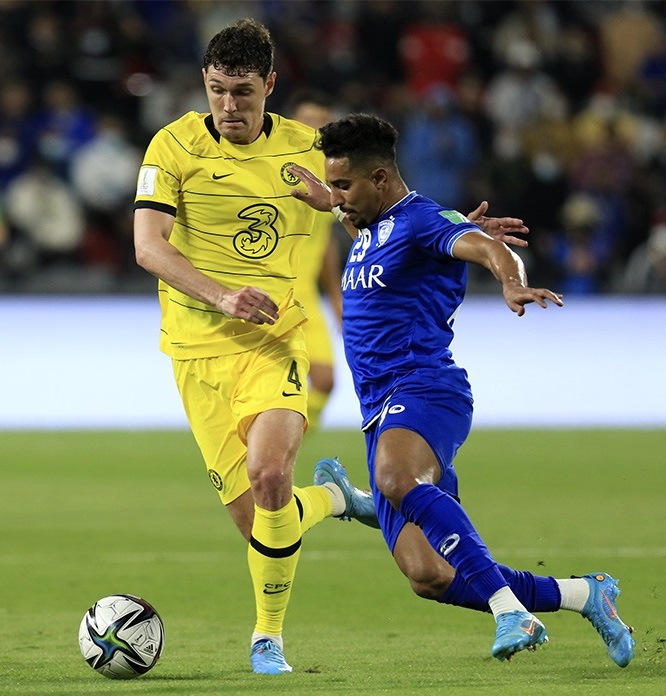
Salem Al-Dawsari receives like a winger and attacks like an inside forward. From the left he can slow a full-back, roll the ball beneath his sole and accelerate either way, but his most valuable habit is arriving in the inside channel when the match is most tense. The curled winner against Argentina at the 2022 World Cup was spectacular. It was also characteristic: one touch to escape pressure, one to create the angle, then a finish struck before the defence reset.
At Al Hilal, Salem was the most valuable player in the 2021 AFC Champions League triumph and has collected repeated Saudi league honours.
The AFC named him Player of the Year for 2022 and again in 2025, making him the first Saudi to win the modern award twice. He also scored at the 2018 World Cup.
His brief Villarreal loan produced only one league appearance, so the ranking cannot treat him as Europe-tested. That holds him below Shinji Kagawa. He is above Hasebe because his influence combines sustained club dominance, two individually recognised continental peaks and a World Cup action against the eventual champions that changed the match rather than merely decorating it.
Rank 18: Shinji Kagawa

Shinji Kagawa was devastating because he moved before defenders had completed their decisions. At Borussia Dortmund he did not conduct attacks from a static number-ten station. He darted beyond the striker, bounced first-time passes around pressure and counter-pressed immediately when combinations failed. In Jürgen Klopp’s young side, those habits turned technical delicacy into aggressive football. Dortmund won consecutive Bundesliga titles in 2010/11 and 2011/12, adding the German Cup in the second season. Kagawa scored in the final against Bayern Munich before moving to Manchester United, where he became the first Japanese player to win the Premier League. The move never gave him the same structural fit, but a productive second Dortmund spell followed. With Japan, he won the 2011 Asian Cup despite missing the final through injury and played at two World Cups.
Kagawa’s international career contained good tournaments rather than one tournament he owned, which keeps him below Akram Afif. He ranks above Salem because his peak influenced the mechanism of a genuinely elite European champion. The duration was shorter than the names higher up, but Asia has produced very few attacking midfielders whose best club football was so central to such an advanced side.
Rank 17: Akram Afif
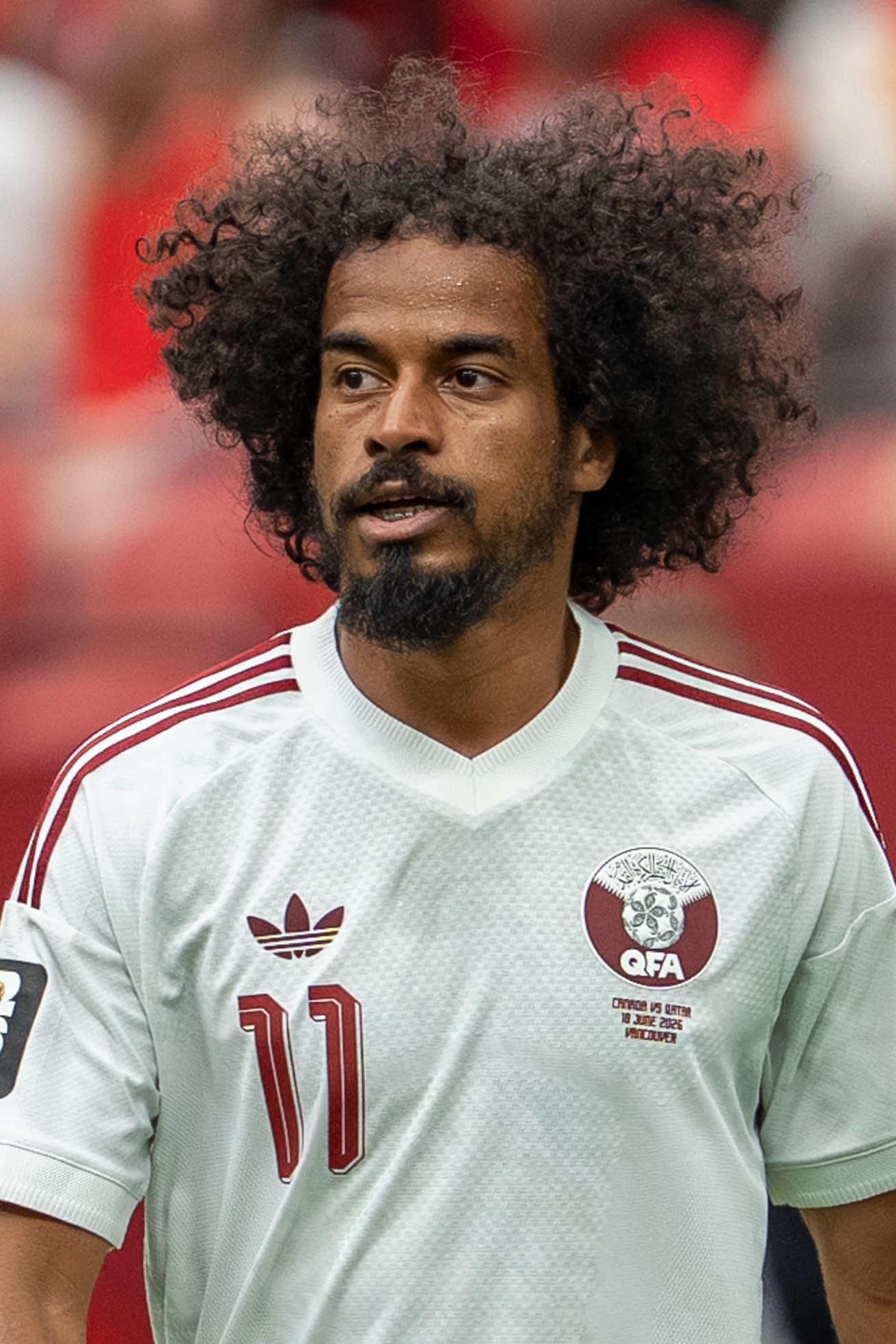
Akram Afif’s 2019 Asian Cup is a lesson in why assists need context. The official tournament report credited him with ten, but the deeper value was how he manufactured them. He dropped away from a nominal front role, drew a centre-back or holding midfielder with him, then released Almoez Ali or a runner before the defence could restore its line. Qatar won all seven matches, and Afif supplied the creative logic.
In the 2023 edition, played in early 2024, Afif changed emphasis. He scored eight goals, added three assists and was both leading scorer and most valuable player as Qatar retained the title. His final hat-trick against Jordan consisted of penalties, yet winning and converting three under that pressure was not an administrative detail. The AFC named him Player of the Year in 2019 and 2023.
The reservation is club level. Afif’s European development included Villarreal ownership and loans, but his senior peak has been with Al Sadd in Qatar rather than sustained competition in a leading European league. That keeps him below Ali Karimi. He ranks above Kagawa because two Asian Cups were built around his decisions, with a different productive role in each. In continental national-team football, few Asian attackers have ever controlled consecutive tournaments so completely.
Rank 16: Ali Karimi
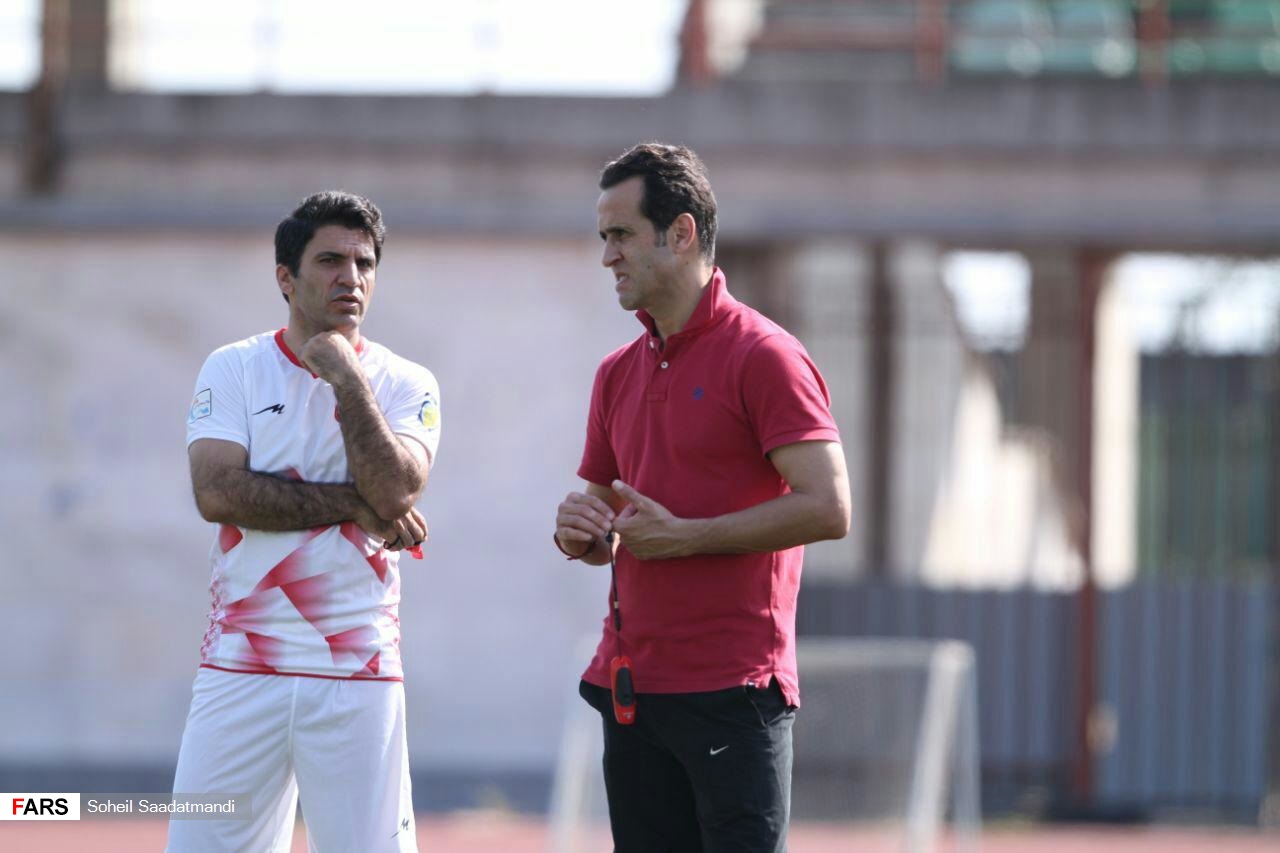
Ali Karimi’s dribbling was confrontational. He invited the first challenge, let the defender believe the ball was available, then moved it with the outside of his right foot and accelerated through the contact. The technique earned the inevitable “Asian Maradona” label, but Karimi was better understood as a transition creator: once he beat one opponent, the whole defensive picture changed.
At the 2004 Asian Cup he scored five goals, sharing the tournament lead. Three came in the 4-3 quarter-final against Korea Republic, as his carries repeatedly tore open an experienced defence. The AFC named him Player of the Year that year.
At Bayern Munich, Karimi made meaningful appearances, scored in the Champions League and won the 2005/06 Bundesliga and German Cup, although injury shortened his best phase. AFC records place his Iran career at 127 caps and 38 goals.
Karimi’s peak could be breathtaking, but its elite-club portion was too brief to lift him above Mehdi Mahdavikia. He stays above Afif because the same individual superiority survived a move into a major European champion, even if it did not last long enough. At number 16, the ranking rewards the level reached without pretending flair made the career more consistent than it was.
Rank 15: Mehdi Mahdavikia

Mehdi Mahdavikia could beat a full-back without wasting touches. He pushed the ball into space, won the race and crossed while the defence was still retreating. At Hamburg, where he spent eight seasons, that directness evolved into a more complete right-sided game. He could start as a winger, defend as a full-back and deliver set pieces, versatility that helped him remain useful across coaches and tactical changes.
Mahdavikia scored Iran’s second goal in the politically charged 2-1 World Cup victory over the United States in 1998. At the 2004 Asian Cup, he created all three of Ali Karimi’s goals in the quarter-final win over Korea Republic. The AFC named him Player of the Year in 2003 and records 111 Iran caps. In Germany, he became one of Hamburg’s most effective players, not merely an Asian success story.
Mahdavikia ranks below Zheng Zhi because the Chinese captain turned sustained domestic authority into two continental titles, while carrying responsibility through several tactical roles. He is above Karimi because the top European evidence is much deeper. Karimi reached a more dazzling individual height; Mahdavikia delivered high-level width, chance creation and tactical reliability over many more Bundesliga seasons.
Rank 14: Zheng Zhi
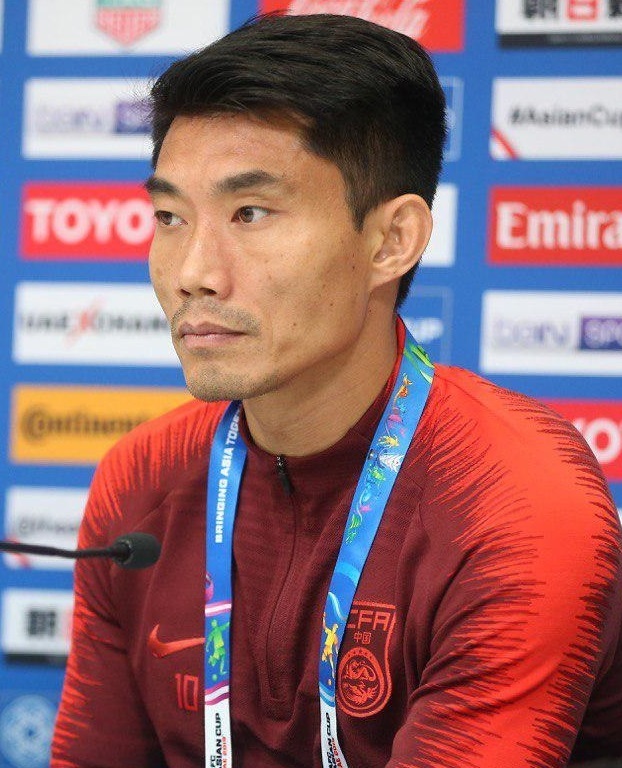
Zheng Zhi gave Guangzhou Evergrande authority rather than ornament. From central midfield he could receive under pressure, set the speed of possession and arrive beyond the ball, yet he was disciplined enough to drop into defence when the match required it. That breadth mattered to a side learning how to dominate domestically and then survive the sharper transitions of the AFC Champions League. His captaincy was tactical work as much as ceremony. Zheng raised the Champions League trophy as Guangzhou captain in 2013, ending a 23-year wait for a Chinese club to become Asian champion, and again in 2015. The second run included his decisive goal in the semi-final first leg against Gamba Osaka. Those continental victories sat inside five consecutive Chinese Super League titles. The AFC named him its Player of the Year in 2013, after he had already been Chinese player of the year in 2002 and 2006, and he captained China at the 2015 Asian Cup.
The weekly level of Zheng’s peak was lower than Harry Kewell’s best football in England and Europe, which keeps him outside the top 13. He edges Mahdavikia because he was the organising centre and captain of a team that shifted the balance of Asian club football, twice completing the continental argument. Mahdavikia proved himself for longer in the Bundesliga; Zheng’s combination of leadership, adaptability and title-defining consequence is the narrower but weightier case here.
Rank 13: Harry Kewell

At his Leeds United peak, Harry Kewell could unbalance a Champions League defence on his own. He received wide, carried the ball at speed without losing close control and finished like a forward when he moved inside. The Professional Footballers’ Association named him Young Player of the Year in 2000. A year later he was a leading attacker in Leeds’ run to the Champions League semi-finals.
Kewell won the Champions League with Liverpool in 2005 and FA Cup in 2006, but both finals captured the frustration: he started, then left injured. Fitness repeatedly broke his rhythm. For Australia, he scored against Croatia to secure a place in the 2006 World Cup last 16, then scored three times on the run to the 2011 Asian Cup final. His senior career continued well after AFC entry, so his whole record qualifies.
Kewell sits below Sami Al-Jaber because availability and sustained national-team leadership count. He ranks above Zheng Zhi because his best football reached a higher club level: not potential, but demonstrated match-winning quality in the Premier League and Champions League. The question is how long, not whether, he was that good.
Rank 12: Sami Al-Jaber

Sami Al-Jaber was less a fixed penalty-box striker than a forward who kept finding the game’s vulnerable seam. He could drop off, turn with the ball and combine, then reappear beyond the back line. That movement helped him remain central as Saudi football shifted from the breakthrough generation of 1994 to a more experienced side a decade later.
Al-Jaber went to four World Cups and scored at three: against Morocco in 1994, South Africa in 1998 and Tunisia in 2006. He also helped Saudi Arabia win the 1996 Asian Cup. With Al Hilal, his career encompassed domestic championships and victories in both principal Asian club tournaments of the period. A short Wolverhampton Wanderers spell did not establish him in England, but it is incidental to the case.
Al-Jaber ranks below Shunsuke Nakamura because the Japanese midfielder sustained a higher creative level in Europe. He edges Kewell because his defining qualities were available across far more major tournaments, with continental trophies for club and country. Kewell’s peak was higher in isolated club seasons; Al-Jaber’s career is the more complete Asian body of work.
Rank 11: Shunsuke Nakamura

Shunsuke Nakamura’s left foot was not only beautiful; it was strategically useful. Opponents could not concede a cheap foul within 30 metres, which created space for Japan and Celtic before he even touched the resulting free kick.
In open play he received between midfield and the right flank, disguising passes with the same body shape he used for shots.
Japan won the Asian Cup in 2000 and 2004, and Nakamura was the latter tournament’s best player. After developing at Reggina, he moved to Celtic, where two free kicks against Manchester United in the 2006/07 Champions League became the visible peak. The second secured Celtic’s first knockout qualification. That season he won Scotland’s major player awards and supplied the stoppage-time free kick that clinched the league. The JFA records 98 caps and 24 goals.
Nakamura narrowly misses the top ten because his World Cup influence was limited relative to Keisuke Honda’s. He ranks above Al-Jaber because he was the primary technician for a European champion across several seasons, including genuine Champions League impact. The dead-ball craft draws the eye, but his placement rests on repeatable creative control.
Rank 10: Keisuke Honda
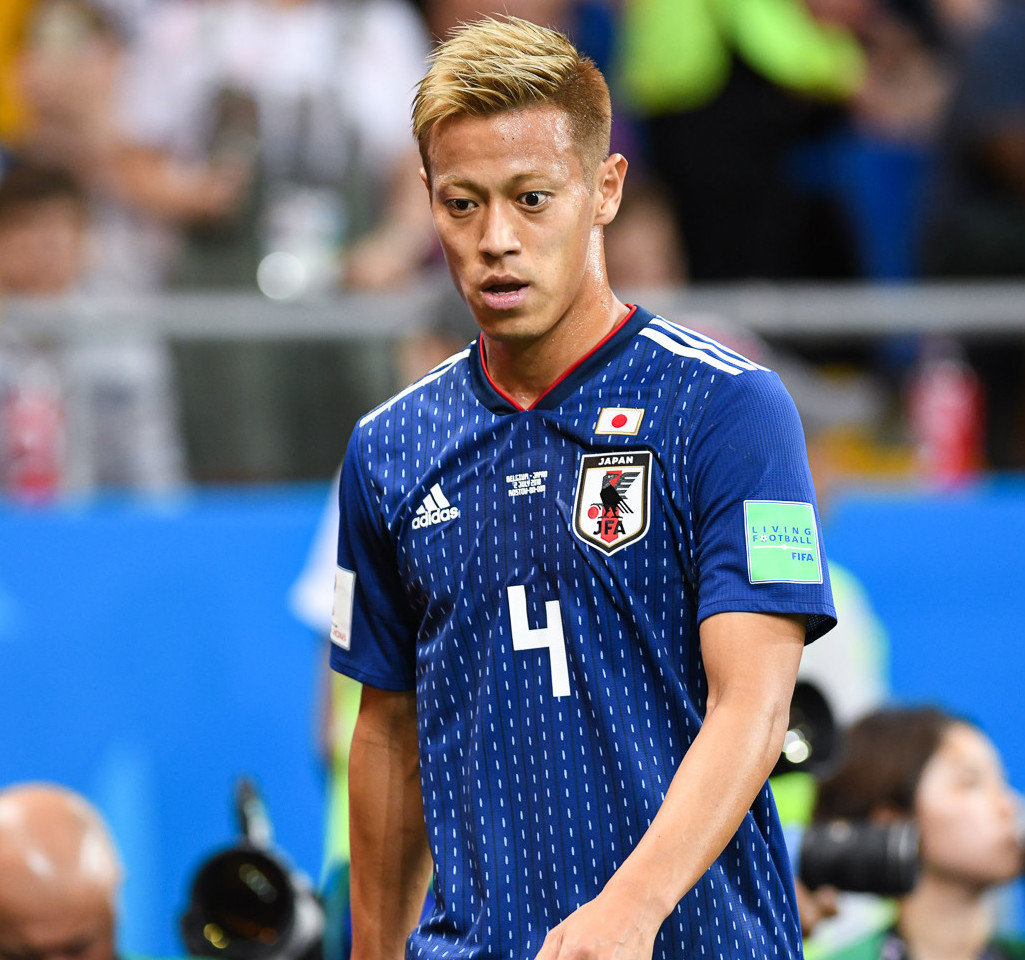
Keisuke Honda played with a deliberate heaviness that could be mistaken for slowness. He protected the ball, forced defenders to commit and used his left foot to turn small advantages into shots or diagonal passes. Japan built its 2010 World Cup attack around that security. Honda scored the winner against Cameroon, struck the dipping free kick against Denmark and then created Shinji Okazaki’s goal, carrying Japan into the last 16.
He added goals at the 2014 and 2018 finals, becoming the first Japanese scorer at three World Cups and ending with four, Asia’s leading men’s total before 2026. Honda was also most valuable player as Japan won the 2011 Asian Cup. With CSKA Moscow he scored a 2013 Russian Cup final winner and played in the Champions League, followed by a high-profile but uneven AC Milan spell.
Honda is below Kamamoto because his club prime never became as sustained as his international authority. He ranks above Nakamura because global tournaments break the close comparison: Honda directly decided more World Cup matches, across more editions, while also owning an Asian Cup. He is the line’s first top-ten player because his best actions repeatedly arrived at the highest available international pressure.
Rank 9: Kunishige Kamamoto
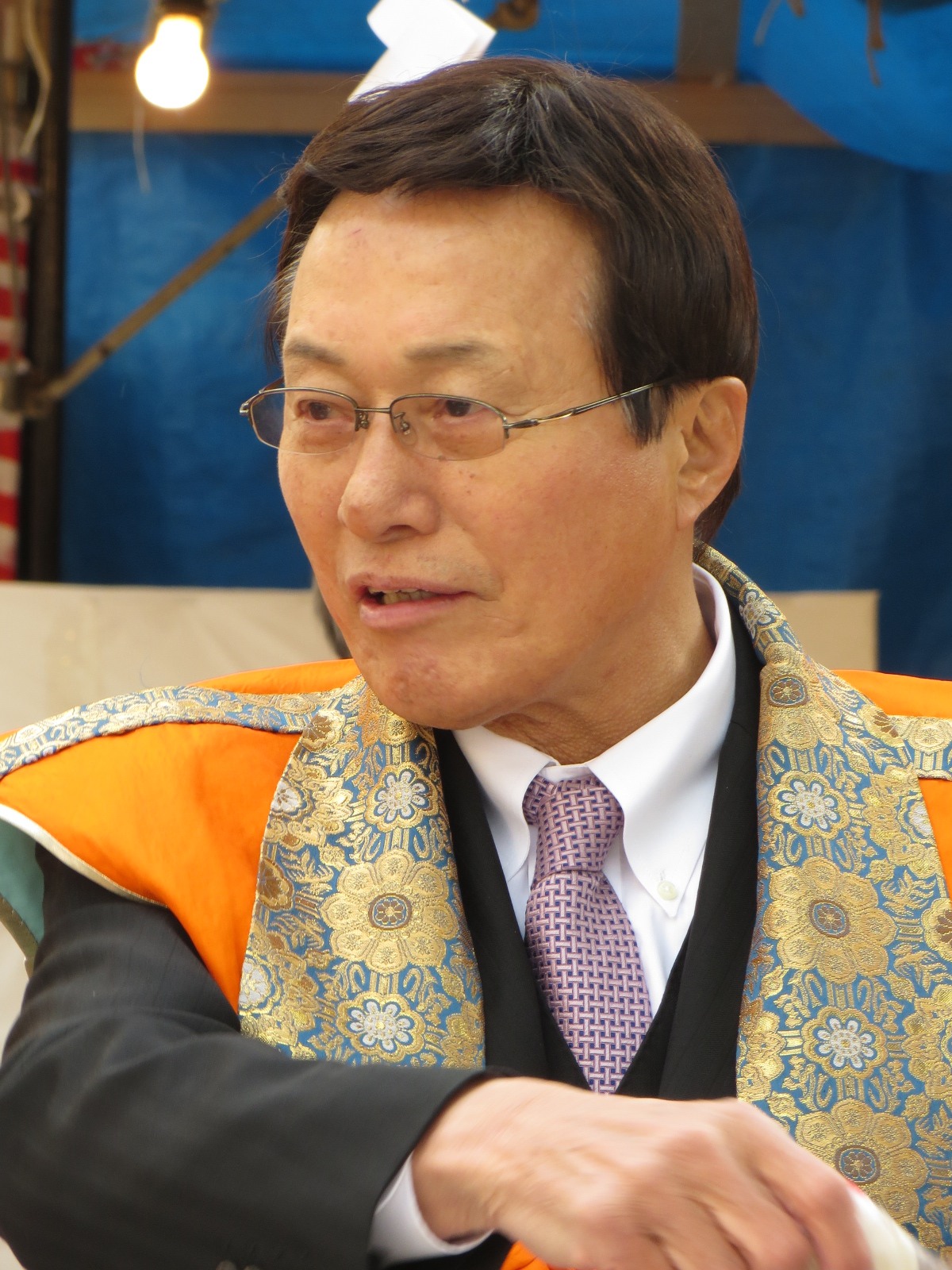
Kunishige Kamamoto gives an era-adjusted ranking its sharpest test. He played before Japan had a professional league and before Asian national teams received regular global exposure. Yet the 1968 Olympic tournament provides unusually strong cross-confederation evidence. Kamamoto scored seven goals, the event’s highest total, as Japan defeated France in the quarter-final and Mexico in the bronze-medal match. No Asian men’s side had won a global outdoor football medal before it.
The JFA records 75 goals in 76 senior A internationals, separated from broader historical counts. In the Japan Soccer League he scored 202 goals in 251 matches and led the scoring seven times. Film shows a complete penalty-box striker: controlled first touch, rapid release off either foot and a sophisticated pause as defenders ran past the decisive space. The opposition and domestic environment were less consistently demanding than the modern elite, so he does not rise on ratio alone. Kamamoto sits below Tim Cahill because the Australian delivered across four World Cups and a long Premier League career. He is above Honda because his peak did not merely help Japan compete: it drove an Asian team to a global podium while establishing domestic scoring standards that lasted for generations.
Rank 8: Tim Cahill
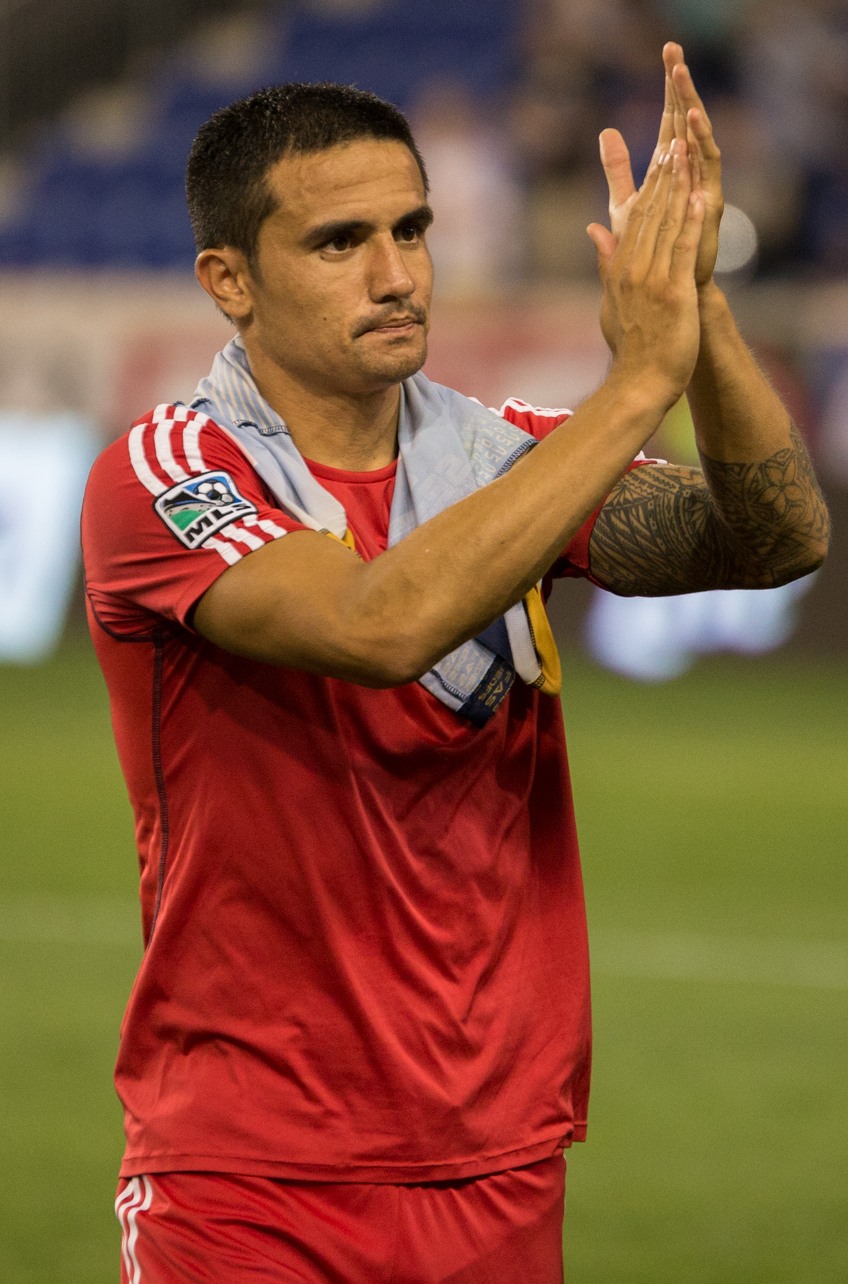
Tim Cahill was a problem of timing disguised as a problem of height. At 1.78 metres he should not have dominated centre-backs in the air, but he began his run outside their field of vision, launched early and attacked the ball rather than waiting beneath it. Everton also used his capacity for second balls and late box entries, which produced 56 Premier League goals without requiring him to play as a conventional striker.
Football Australia records 50 goals in 108 caps. Cahill scored the country’s first World Cup goals, a late pair that overturned Japan in 2006, and struck at the 2010 and 2014 tournaments. His left-footed volley against the Netherlands in 2014 was one moment in a repeatable record. After Australia joined the AFC, he scored six Asian Cup goals and helped win the 2015 title, including an overhead kick against China.
Cahill is below Majed Abdullah because the Saudi striker’s continental dominance and domestic peak were greater within their own ecosystem. He ranks above Kamamoto because his goals survived more varied and extensively professional tests: Premier League seasons, four World Cups, Asian qualifying and a continental championship. Few players have translated an apparently narrow skill set into so many different decisive contexts.
Rank 7: Majed Abdullah

Majed Abdullah gave Saudi Arabia a world-class attacking reference before the national team had reached a World Cup. Tall but fluid, he could receive to feet, glide across a defender and finish without a long backlift. The balance mattered: opponents could not simply deny crosses, because he was equally comfortable creating the shooting lane himself.
Saudi Arabia entered its first Asian Cup in 1984 and won it. Majed scored in the semi-final against Iran and, in the final, carried through China’s retreating defence before lifting over the goalkeeper.
Four years later he captained another title-winning side and again scored in the semi-final. AFC sources credit more than 70 international goals, but conflicting classifications make a precise total less reliable than the tournament record. With Al Nassr, he won repeated Saudi championships and cups.
Injuries interrupted later seasons and he was past his peak by the 1994 World Cup, which prevents a higher place. Majed ranks below Park Ji-sung because the Korean proved himself for longer against Europe’s deepest club competition. He stays above Cahill because two Asian Cups were built around his centre-forward play, and because his 1984 performance changed Saudi Arabia’s competitive status from entrant to continental standard-setter.
Rank 6: Park Ji-sung
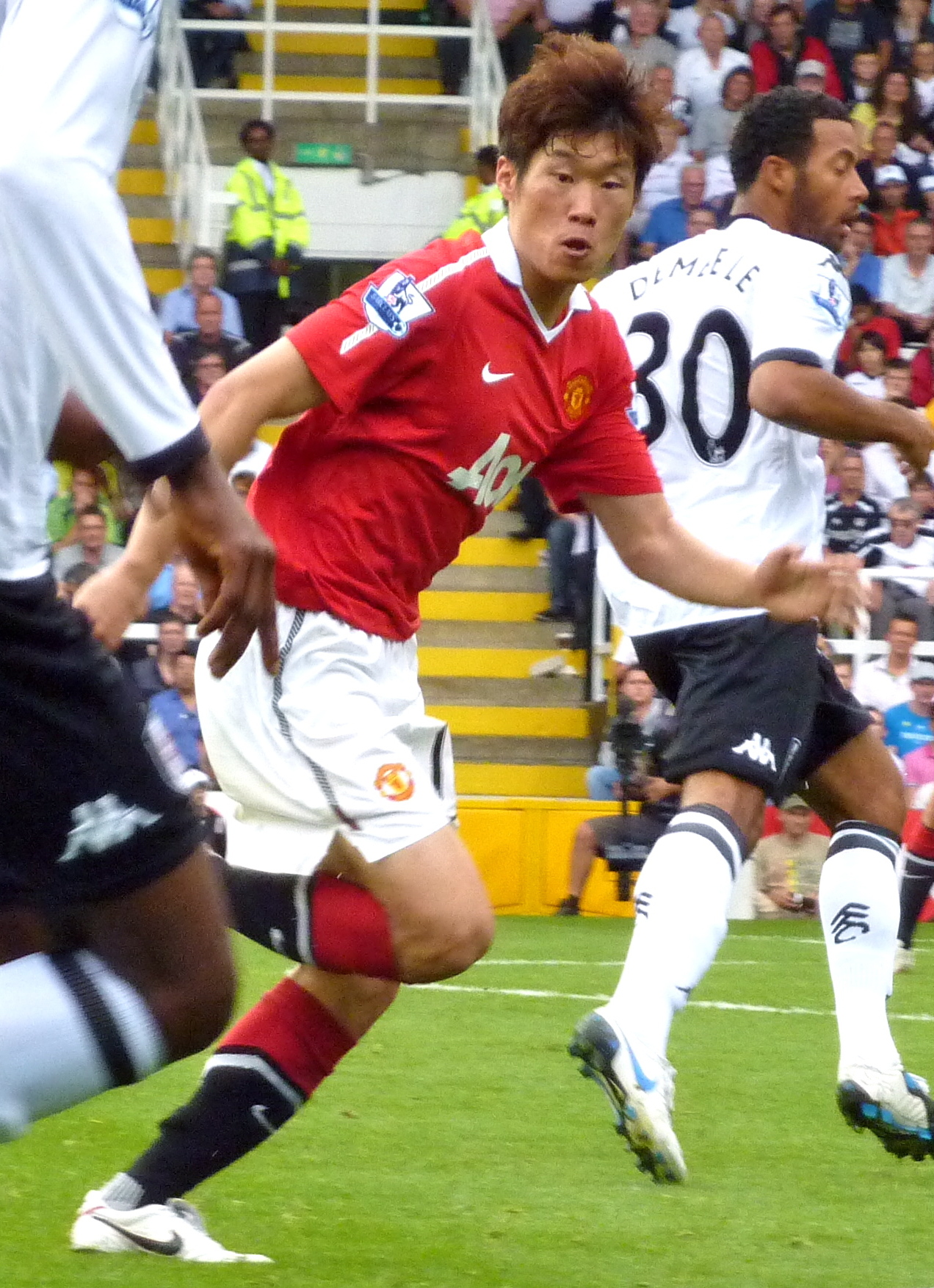
“Three-lung Park” is a fond but incomplete description. Park Ji-sung’s endurance mattered because he read the next pass early. Sir Alex Ferguson used him to close a playmaker, protect a full-back or run beyond the striker. In the 2009 Champions League semi-final at Arsenal, Park scored by recognising a loose touch first. He appeared in the 2009 and 2011 finals, having earned a 2008 winner’s medal despite omission from the matchday squad.
Manchester United’s own records give him 205 appearances; the club and AFC credit a haul that included four Premier League titles and the Champions League. Before England, he helped PSV Eindhoven reach the 2005 European Cup semi-finals under Guus Hiddink. For Korea Republic he won 100 caps, played in the 2002 World Cup semi-final run and scored at three successive finals, including the controlled winner against Portugal in 2002.
Park is below Ali Daei because the Iranian’s international record and continental scoring dominance are too large to demote. He ranks above Majed because his peak role was repeatedly validated inside one of Europe’s best teams, against elite opponents and in changing tactical assignments. He was not a passenger collecting medals. Selection in the hardest matches was the evidence.
Rank 5: Ali Daei
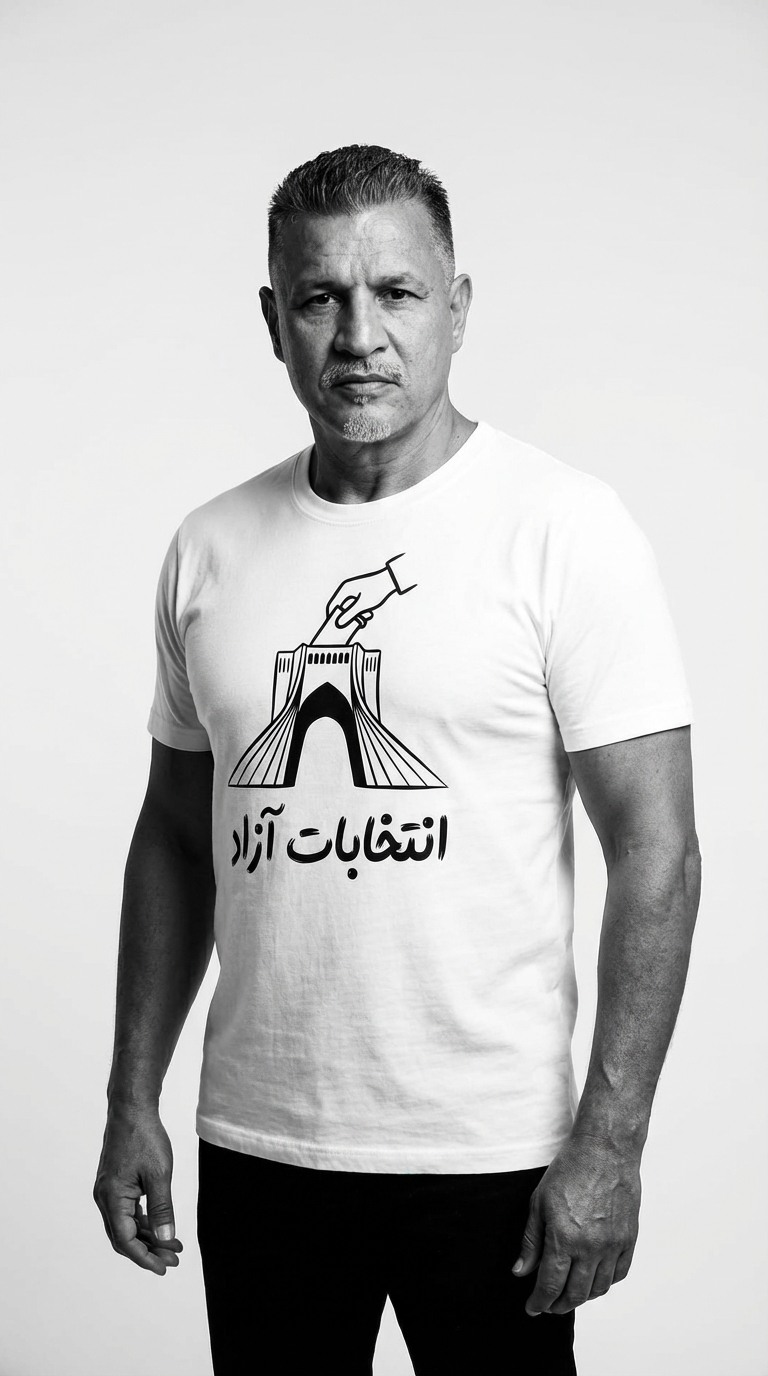
Ali Daei made the penalty area feel vertical. He attacked crosses early, generated exceptional power with his forehead and used his frame to pin a centre-back while Iran’s runners advanced. Those skills travelled well across Asian qualifying, tournament football and the Bundesliga because they did not depend on elaborate possession around him.
Daei scored four against Korea Republic in the 1996 Asian Cup quarter-final, a devastating exhibition of movement and finishing. Three years later he was AFC Player of the Year. His career ended with 109 goals in 149 appearances according to the AFC; FIFA notes that his men’s world record stood for roughly fifteen years. Qualifying structures and opponent strength provide necessary context, but reaching it required extraordinary consistency. Daei played for Arminia Bielefeld, Bayern Munich and Hertha BSC, scoring in the Champions League for Hertha.
He sits below Hidetoshi Nakata because he was never as central to an elite European club as the Japanese midfielder was to several strong Italian sides. Daei ranks above Park because 109 international goals, backed by a major Asian Cup peak and credible European seasons, amount to more than a specialist international record. He changed the scale on which Asian strikers were measured.
Rank 4: Hidetoshi Nakata

Hidetoshi Nakata did not travel to Italy to be an exotic number ten. He arrived at Perugia in 1998, scored twice on debut against Juventus and quickly showed that his game could withstand Serie A’s tactical compression. Powerful through the hips, clean on the turn and willing to play the early forward pass, he could operate behind strikers or deeper in midfield without becoming ornamental. The AFC named Nakata Player of the Year in 1997 and 1998. At Roma, despite competition from Francesco Totti, he altered the 2000/01 title race. His goal and assist in a comeback at Juventus preserved Roma’s six-point lead before the Scudetto. He later won the Coppa Italia with Parma. For Japan, Nakata drove qualification for its first World Cup, played at three finals and led transitions in the 2002 run to the last 16.
An early retirement at 29 shortened the accumulation phase, and his international tournament record lacks an Asian Cup because club commitments kept him from the winning squads. That leaves him below Hong Myung-bo. He ranks above Daei because his week-to-week peak came in perhaps the world’s strongest league, where he influenced a champion rather than simply appearing for one. Nakata made Asian stardom look tactically serious.
Rank 3: Hong Myung-bo
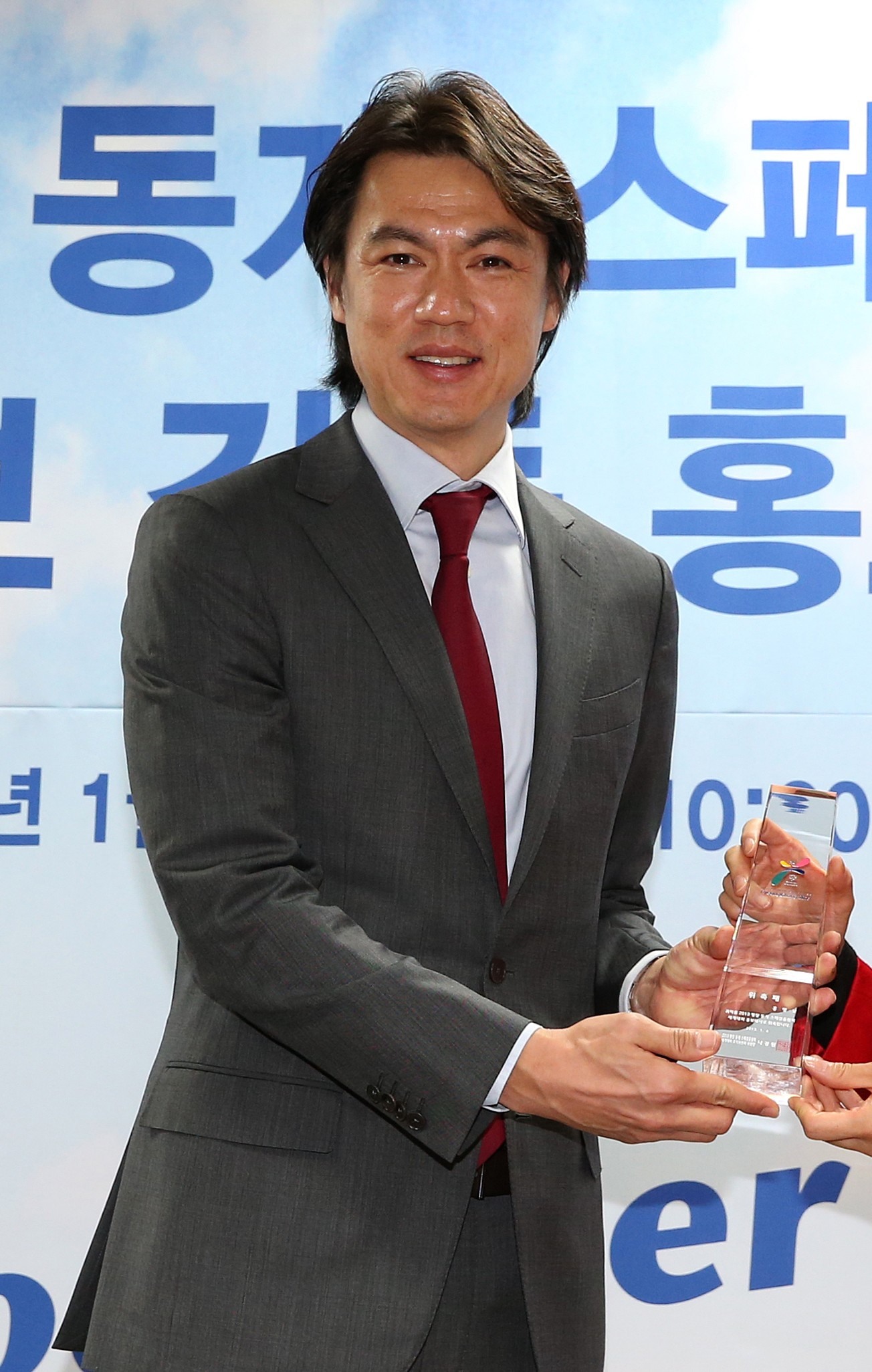
Hong Myung-bo defended by arriving before the crisis. As a sweeper he read the vertical pass, stepped into midfield and used firm, accurate distribution to turn recoveries into attacks. That role can look protected through a modern lens, but Hong also proved he could defend spaces, organise an aggressive line and take responsibility with the ball when opponents pressed.
Hong became the first Asian man to play at four consecutive World Cups, from 1990 to 2002. At the last, he captained Korea Republic through victories over Portugal, Italy and Spain, scored the final quarter-final shoot-out penalty and received the Bronze Ball as the tournament’s third-best player. No other Asian defender has earned such an individual distinction at a men’s World Cup. His club career spanned Korea and Japan, without the European route available to later stars.
That missing elite European club sample is why Hong does not pass Cha Bum-kun. He ranks above Nakata because his finest month combined world-level defending, leadership and progression deeper into the World Cup than any AFC men’s side before or since. The 2002 context was favourable and occasionally controversial, but Hong’s performance does not disappear when those arguments are examined.
Rank 2: Cha Bum-kun
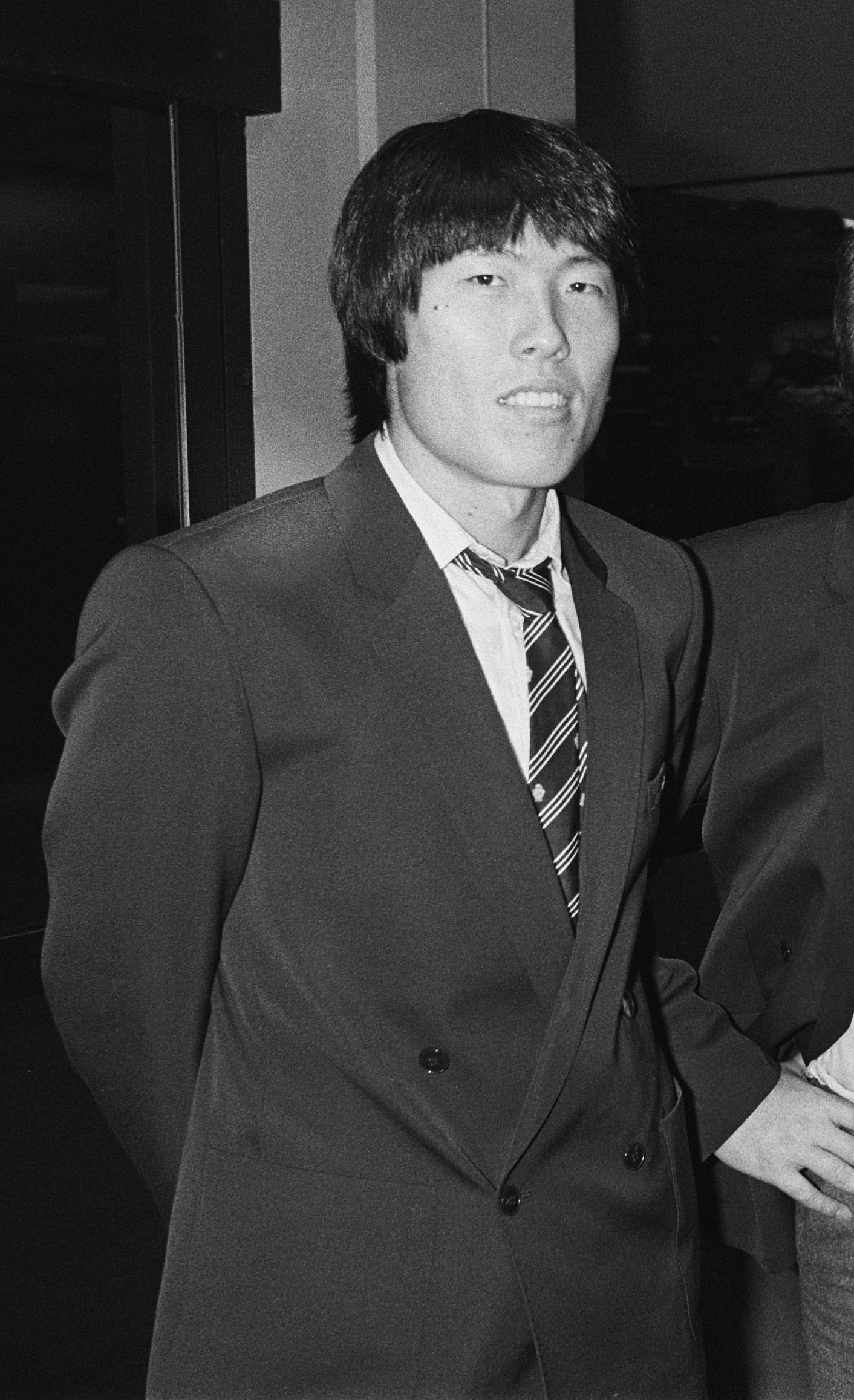
Cha Bum-kun was not merely the first great Asian export to Europe. He was one of the Bundesliga’s most destructive forwards. Nicknamed “Cha Boom”, he carried the ball with huge strides, absorbed contact and struck cleanly with either foot. Defenders who backed away gave him shooting room; those who stepped up risked being run past.
Cha won the 1980 UEFA Cup with Eintracht Frankfurt and, six years later, won it again with Bayer Leverkusen, converting in the final shoot-out against Espanyol. UEFA records him as the first Asian to appear in and win a major European final, and credits ten UEFA Cup goals. Across more than 300 Bundesliga appearances, he scored sustainably without penalties. For Korea Republic he carried an enormous burden, although compulsory service, travel and club-release tensions disrupted his record; his only World Cup came in 1986, late in his prime.
Cha ranks above Hong because elite club performance lasted across two teams and two European trophies rather than one supreme tournament.
He misses number one because Son Heung-min eventually matched the trailblazing burden while adding a Premier League Golden Boot, greater top-flight scoring volume and a longer modern international career. Cha opened the scale; Son pushed its upper boundary.
Rank 1: Son Heung-min
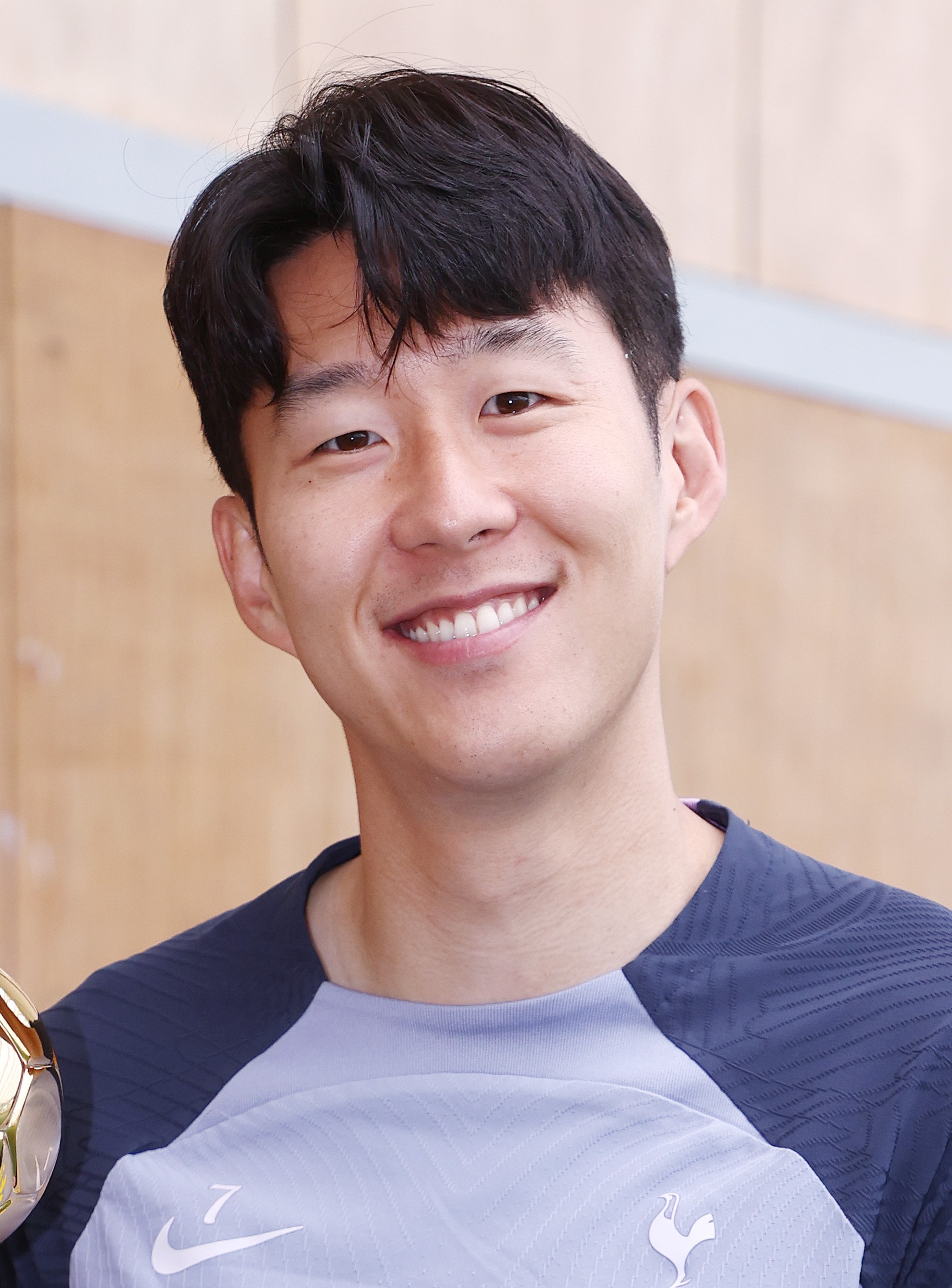
Son Heung-min is the greatest Asian men’s footballer because his best attribute survived every escalation. At Hamburg and Bayer Leverkusen, two-footed finishing made him dangerous. At Tottenham Hotspur, he added off-ball timing, longer carrying runs and the discipline to lead a press. When Harry Kane dropped towards the ball, Son attacked the space behind with such speed that the partnership became one of the Premier League’s most productive. When Kane was absent, Son adapted again.
The 2021/22 Golden Boot is the cleanest single-season evidence. Son scored 23 Premier League goals, none from penalties, sharing the award with Mohamed Salah as its first Asian winner. League records place him on 127 goals and 71 assists when he left England. Tottenham gives him 173 goals in 454 appearances across ten seasons, plus the 2020 Puskás Award and, finally, the 2025 Europa League trophy as captain. That medal did not create the case, but closed its obvious gap.
For Korea Republic, Son won Asian Games gold in 2018, scored at the 2014, 2018 and 2022 World Cups, captained the 2022 side into the last 16 while wearing a mask after facial surgery, and appeared at a fourth finals in 2026. FIFA’s squad list placed him on 147 caps and 56 goals before that tournament. He has not won the Asian Cup, and Korea’s 2026 group exit was a flat close to this ranking period.
Cha’s two UEFA Cups make number one a real argument, not a coronation. Son wins it through sustained attacking primacy in a richer, faster and more globally concentrated league, with a scoring record no Asian player has approached there. He was not simply excellent for an Asian. For several seasons, he was one of the best forwards in world football, full stop.
The players who just missed out
There are a few exceptional Asian players who just missed out from being included within our top 30 rankings. For example, Sunil Chhetri’s 90-plus international goals made the longlist, but his opponent and club profile did not displace Mokhtar’s historical peak. Soh Chin Aun’s appearance record was considered with the same caution around match classification; his leadership is clear, yet the individual playing evidence is thinner than the selected defenders’. Yasuhiko Okudera, Javad Nekounam, Mehdi Taremi, Shinji Ono, Lee Hoe-taik and Ki Sung-yueng all survived late rounds.
China’s strongest unselected case was Fan Zhiyi, the 2001 AFC award winner and captain at the country’s first World Cup. Kim Joo-sung was the most painful Korean omission: the 1988 Asian Cup’s leading player, a three-time winner in the pre-modern Asian Footballer poll lineage and a participant at three World Cups. Ahmed Radhi, Saeed Al-Owairan, Yasser Al-Qahtani, Mohamed Al-Deayea, Fandi Ahmad, Piyapong Pue-on and Omar Abdulrahman were substantial candidates.
Mordechai Spiegler was eligible because his Israel career overlapped AFC membership, including the 1964 Asian Cup and 1970 World Cup. He missed out because later achievements accumulated after Israel’s Asian affiliation could not carry the same weight. UEFA-only Israel internationals were ineligible, as were Australian greats whose senior careers ended before 1 January 2006.


.jpg)


_26.jpg)


.jpg)


.jpg)


.png)
.jpg)


.jpg)
.jpg)


.jpg)