
CONCACAF has never been just one football culture. Its finest players emerged from Mexico’s immense professional game, the changing landscapes of the United States and Canada, technically rich Central America and Caribbean islands where crossing an ocean could be the only professional path. That variety defeats any ranking based only on European trophies or caps.
Our rankings cover senior men’s players who represented a CONCACAF member association, including those from before the confederation’s foundation in 1961. Club football everywhere counts. Peak level carries the greatest weight, followed by sustained excellence, consequence in major matches, international responsibility and historical force. Medals strengthen a case only when the player’s work helped to win them; no country receives a quota.
Era and opportunity require judgement rather than a conversion formula. A 1930s Costa Rican could not enter the Champions League, while a Bermudian pioneer carried burdens that never appear in an appearance total. Modern players faced deeper competitions but gained more chances to meet the world’s best. Statistics retain their stated scope, assists appear only where a reliable record exists, and older careers are described cautiously when sources disagree.
Our final rankings ask a harder question than who had the longest résumé: at his best, how much could this footballer decide, organise or transform at the highest level available to him? Close calls turn on football quality and responsibility, not the size of a player’s market. A breathtaking peak can overcome a shorter career, but only when the evidence survives more than nostalgia.
Rank 30: Clyde Best
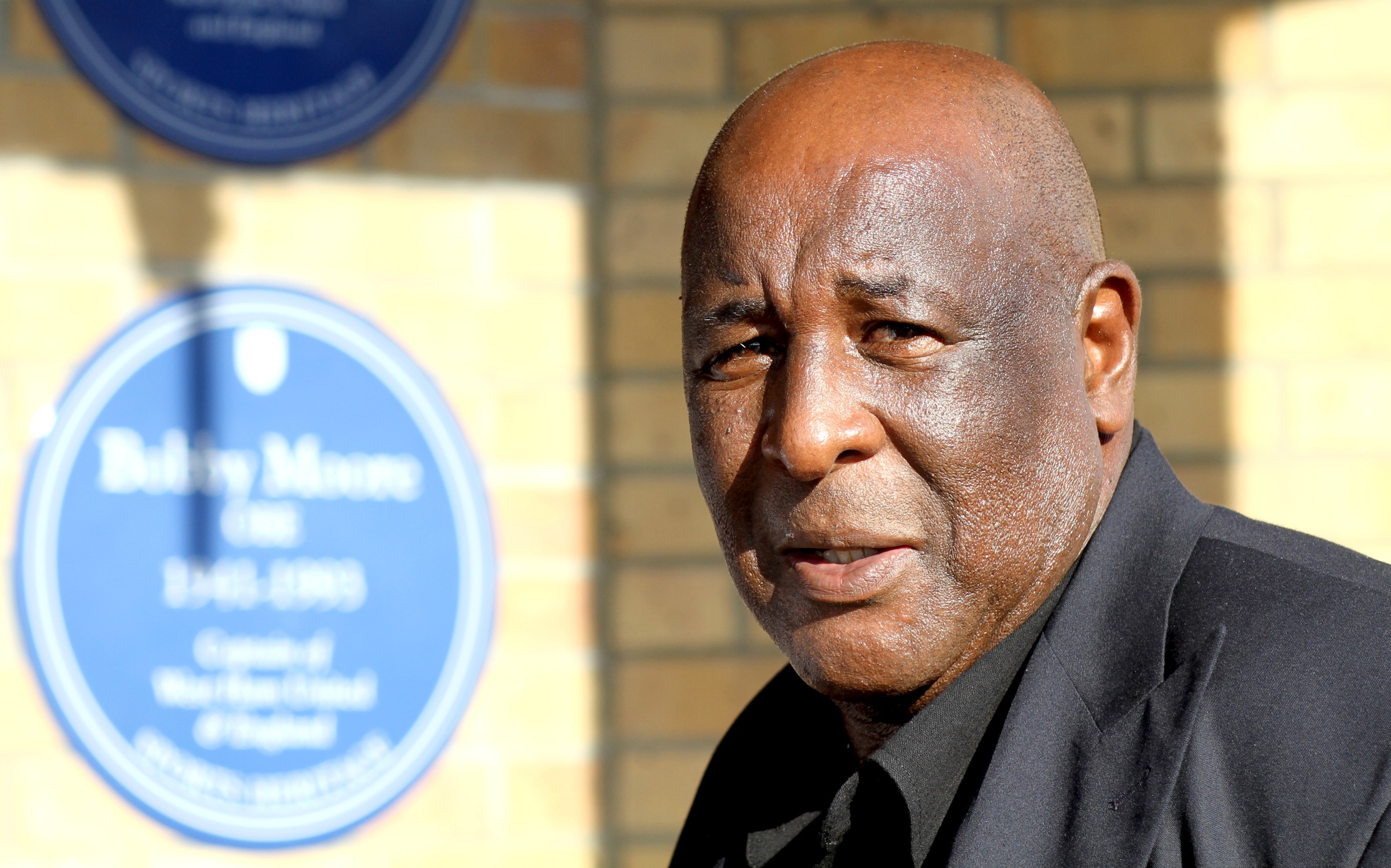
Clyde Best arrived in east London from Bermuda at 17 and became an established First Division centre-forward when Black players were still routinely abused from the terraces. West Ham record 58 goals in 218 appearances, a serious return for a powerful forward sharing attacks with World Cup winners. His strength protected the ball, but his game also contained deft lay-offs and direct running. The pioneering dimension is inseparable from the football. Best absorbed racist threats while performing in England’s top division, then joined Clive Charles and Ade Coker in the first Black trio to start for one First Division side. He later played for Feyenoord and in the North American Soccer League. That path enlarged the imaginable career of a player from a tiny Atlantic nation.
Best begins the list because his international record with Bermuda cannot match the regional impact above him. Wes Morgan at 29 also carried Caribbean identity into an English title race, but did so as the ever-present captain of the champions. Best’s stronger trailblazing claim keeps him ahead of several prolific regional internationals; Morgan’s season of competitive consequence gives him the next place.
Rank 29: Wes Morgan
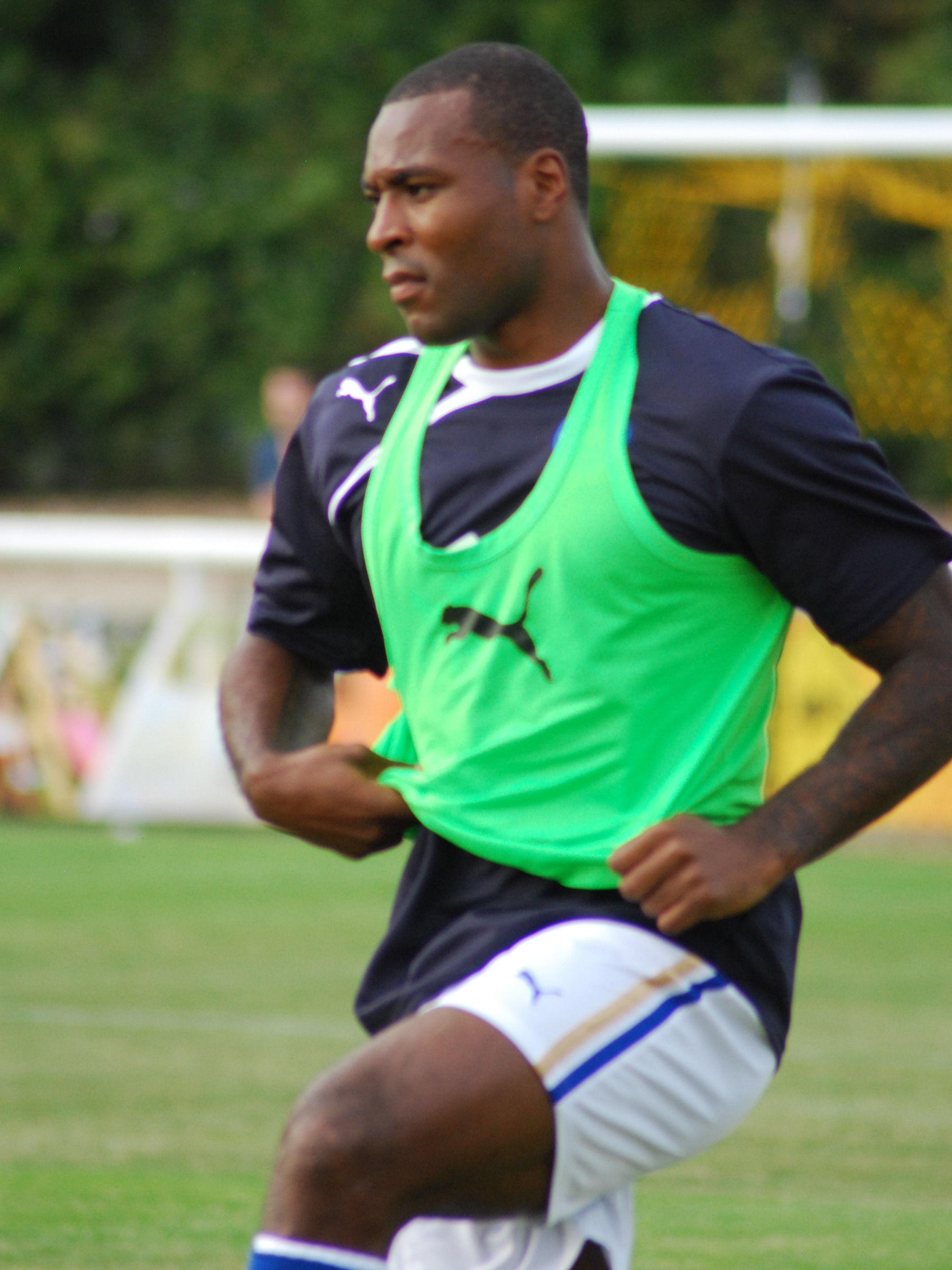
Wes Morgan supplied the authority at the centre of football’s most improbable modern English champions. Leicester’s captain played every minute of the 2015/16 Premier League season, defended the box without fuss and scored pivotal headers against Southampton and Manchester United. The title was collective, but the team’s capacity to survive pressure depended heavily on Morgan’s positioning, aerial power and emotional steadiness.
His Jamaican career was shorter: 30 caps after a 2013 debut. Yet it contained the 2015 Gold Cup run in which Jamaica became the first Caribbean nation to reach the final. Morgan also started every game of that summer’s Copa América. He did not merely qualify for Jamaica late in his career; he strengthened the best tournament side the country had fielded in years.
Morgan ranks above Clyde Best because captaining an ever-present defence to a Premier League title is the list’s more exacting single-season achievement. Atiba Hutchinson at 28 never reached such a summit, but two decades of midfield responsibility for Canada and sustained work across three European leagues form the fuller individual career. Morgan’s peak is unforgettable; Hutchinson proved his level for longer.
Rank 28: Atiba Hutchinson
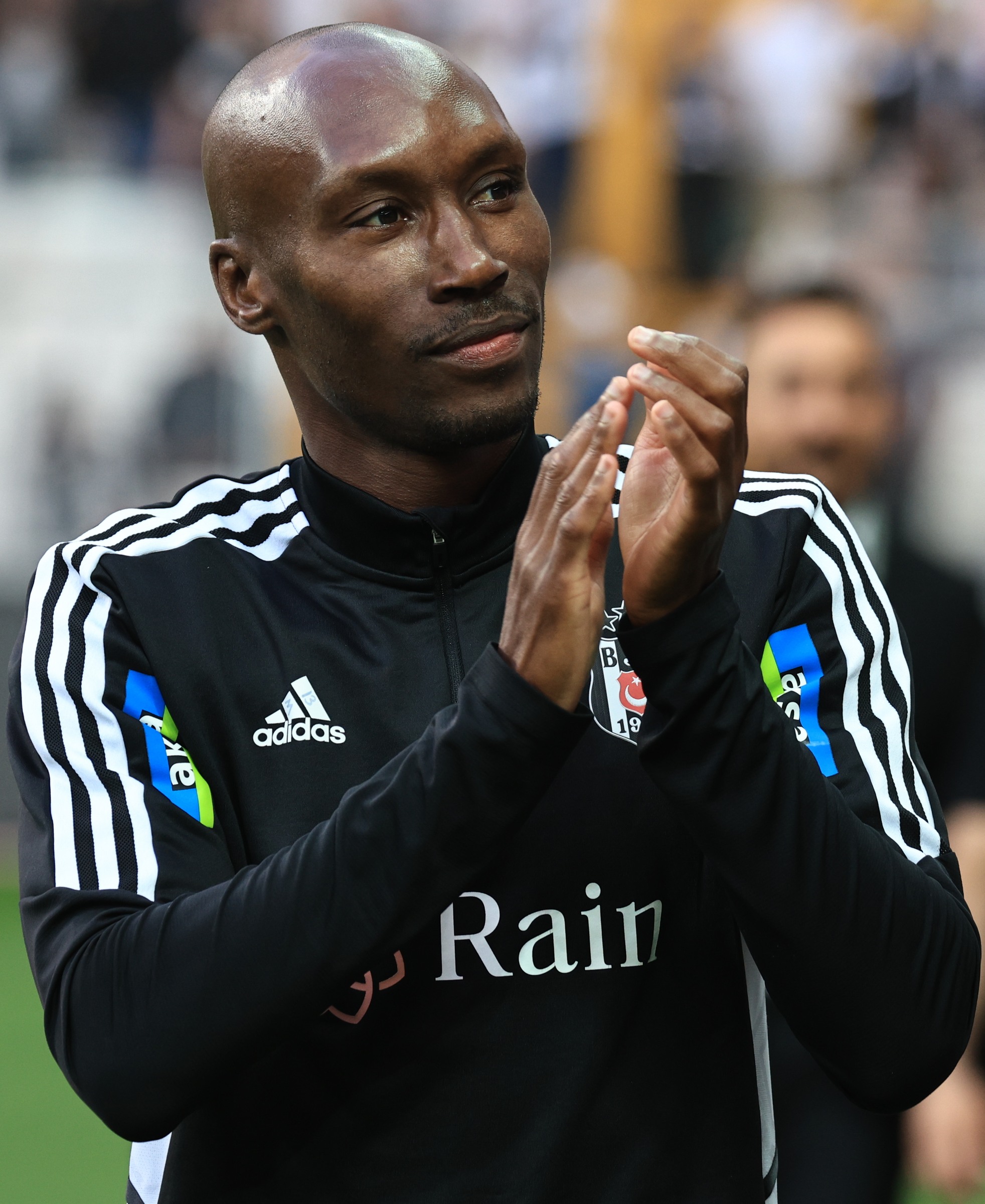
Atiba Hutchinson made control look like restraint. He received on the half-turn, protected the next pass from pressure and shifted between holding midfield, central midfield and emergency defensive work without disturbing the team’s shape. Canada Soccer records 104 senior A appearances across 22 international seasons, six national player-of-the-year awards and the captaincy of the side that returned to the World Cup in 2022 after a 36-year absence.
His club path gave that authority a harder competitive base. Hutchinson progressed through Sweden to Copenhagen, PSV and Beşiktaş, winning league or cup honours in Denmark, the Netherlands and Turkey. Canada Soccer’s career review records appearances in UEFA club competition across 16 consecutive seasons from 2006/07 to 2021/22. He was rarely the headline player, but his press resistance, anticipation and positional generosity repeatedly made ambitious teams more secure.
Hutchinson edges Morgan because his leadership survived more countries, tactical roles and international cycles, even though Morgan owns the greater single club season. Paulo Wanchope at 27 supplied a more decisive attacking peak: 45 Costa Rica goals, three at World Cups and seven years adapting to English football. Hutchinson governed matches quietly for longer; Wanchope carried the rarer burden of creating and finishing goals against elite defences.
Rank 27: Paulo Wanchope

Paulo Wanchope introduced himself to England with that slaloming debut goal at Manchester United, but the spectacle should not obscure his substance. He became the first Costa Rican to play in the Premier League and spent seven years in English football, scoring in different tactical settings for Derby, West Ham and Manchester City. His long stride looked ungainly until defenders discovered how little control they had over it.
For Costa Rica he scored 45 goals in 73 senior appearances. Three came at World Cups: one against Brazil in 2002 and two against hosts Germany in the opening match of 2006. That brace was not consolation decoration. It demonstrated his ability to attack space and finish against elite defenders while carrying the expectations of a country for which such forwards were scarce.
Wanchope’s international production and capacity to decide matches put him above Hutchinson, whose greater longevity came with less direct attacking consequence. Claudio Suárez at 26 offers a different kind of magnitude: 177 Mexico appearances, command of a defence across three World Cup cycles and major regional titles. Wanchope was the more unsettling individual attacker, but Suárez sustained leadership under a much heavier international schedule and pressure.
Rank 26: Claudio Suárez

Claudio Suárez’s 177 senior appearances for Mexico were once a world outfield record. The number matters because the matches included three World Cup squads, the 1993 Copa América final, three Gold Cup victories and the 1999 Confederations Cup triumph. He read danger early, defended on the front foot and organised with the assurance demanded of a centre-back nicknamed El Emperador. His club career remained in North America, where he won league titles with UNAM and Guadalajara before becoming a cornerstone at Tigres. That should not be treated automatically as inferior to a European itinerary. Liga MX was the confederation’s strongest league for most of his career, and Suárez repeatedly faced South America’s best with Mexico as well as opponents invited into domestic and regional competition.
Suárez passes Wanchope because fourteen years of high-responsibility international defending outweigh a forward’s more concentrated peak. Dwayne De Rosario at 25 falls short of that global-national longevity, yet his four MLS Cups, two final MVP awards and 2011 league MVP season made him a more decisive club figure. Suárez accumulated command; De Rosario repeatedly supplied the action that won a trophy.
Rank 25: Dwayne De Rosario

Dwayne De Rosario built a career from decisive, difficult acts. His golden goal won the 2001 MLS Cup for San Jose. He was named final MVP again for Houston in 2007, one of four MLS championships, and his 2011 campaign brought the league MVP award after 16 goals across a season split between three clubs. Few regional players have turned improvised shooting into so many concrete prizes.
Canada received the same audacity over 81 senior A appearances and 22 goals. De Rosario helped win the 2000 Gold Cup, remained through five World Cup qualifying cycles and retired as the national side’s record scorer at the time. He could operate as a number ten, second striker or wide attacker, and the freedom did not make him frivolous: his best work arrived when a match tightened.
De Rosario climbs above Suárez because his peak directly settled championships and because he was the most dangerous player in his league. Brad Friedel at 24 had less expressive international influence, but 310 consecutive Premier League appearances form a rare proof of elite reliability. De Rosario owned more final moments; Friedel held a top-flight position for more than a decade without interruption.
Rank 24: Brad Friedel

Brad Friedel’s most startling statistic is not a save total but an attendance record: 310 consecutive Premier League appearances between August 2004 and October 2012.
A goalkeeper survives that run only through preparation, positional economy and the trust of successive managers. Friedel was rarely theatrical. He set early, made his frame difficult to pass and offered stability to Blackburn, Aston Villa and Tottenham.
His international summit came at the 2002 World Cup. Friedel saved two penalties in the tournament, kept the United States’ first World Cup clean sheet in 52 years against Mexico and helped the side reach a quarter-final. He finished on 82 caps, a total constrained not by weakness but by an American generation that also contained Kasey Keller and, later, Tim Howard.
Friedel’s sustained level places him above De Rosario despite the Canadian’s richer collection of match-winning flourishes. Carlos Ruiz at 23 could not match eight unbroken Premier League seasons, but he combined a dominant MLS peak with 68 Guatemala goals and a then-record 39 in World Cup qualifying. Friedel proved belonging; Ruiz made an entire national attack depend upon his finishing.
Rank 23: Carlos Ruiz

Carlos Ruiz arrived in MLS in 2002 and immediately bent the season around him: 24 regular-season goals, league MVP, MLS Cup MVP and the extra-time winner in the final. El Pescadito was an expert in the penalty area, forever separating from a marker just before the decisive pass. His confrontational edge could irritate, but it also expressed a relentless need to own the next chance.
With Guatemala, Ruiz scored 68 goals in 133 senior matches according to FIFA’s contemporary review. Thirty-nine came in 47 World Cup qualifiers, a competition record when he retired internationally in 2016. Guatemala never reached the finals, which makes the total more revealing, not less: opponents could build specifically to stop him, and still he carried repeated campaigns deep into the regional process.
That twin burden takes Ruiz above Friedel, whose club consistency was greater but whose national side was never as dependent on him. Jonathan David at 22 already has the higher European club peak: a Ligue 1 title, prolific seasons in France and Canada’s scoring record while still in his twenties. Ruiz owns the more complete career; David’s sharper level earns the narrow ranking advantage.
Rank 22: Jonathan David

Jonathan David’s game is built less on domination than on arriving before a defence completes its thought. He broke through at Gent, joined Lille for a Canadian-record fee and scored 13 league goals as the club displaced Paris Saint-Germain to win Ligue 1 in 2020/21. His later Lille seasons established a repeatable pattern: intelligent pressing, two-footed finishing and movement between centre-back and full-back.
Canada Soccer lists 42 goals in 82 senior appearances at the cut-off, already the national record. David was the 2019 Gold Cup’s top scorer, helped Canada finish first in the final round of 2022 World Cup qualifying and contributed to its fourth-place Copa América debut in 2024. The 2024/25 CONCACAF men’s player of the year remains active, so both totals and judgement are provisional.
David moves ahead of Ruiz because he has sustained elite-European production while also becoming his country’s record scorer. Gilberto Yearwood at 21 lacks comparable complete statistical records, and his international total is disputed, but historical conditions favour a close reading. A Honduran commanding midfield and defence in Spain’s top flight around 1980 was rarer than David’s modern route and carried enormous regional influence.
Rank 21: Gilberto Yearwood

Gilberto Yearwood was a Central American outlier before regular scouting networks made European movement plausible. Across roughly a decade in Spain he represented Elche, Real Valladolid, Tenerife and Celta Vigo, often operating as the defender who could step into midfield. Contemporary coverage before the 1982 World Cup called him Honduras’s best player; his composure and distribution gave the claim a footballing basis.
At Spain 1982 he started all three matches as Honduras drew with the hosts and Northern Ireland and came close to advancing. Surviving national-team records from the period are incomplete, so no exact cap total is used here. The firmer evidence is contextual: Yearwood was a top-flight regular at Valladolid and a tactical reference for the first Honduran side to reach a World Cup. Yearwood’s scarcity value and two-way authority put him just above David, though the Canadian can pass him with further elite seasons. Guillermo Ochoa at 20 presents a different claim: less weekly club authority than Yearwood at his peak, but repeated World Cup performances under far brighter scrutiny. Yearwood opened an unlikely route; Ochoa made the global tournament his stage.
Rank 20: Guillermo Ochoa
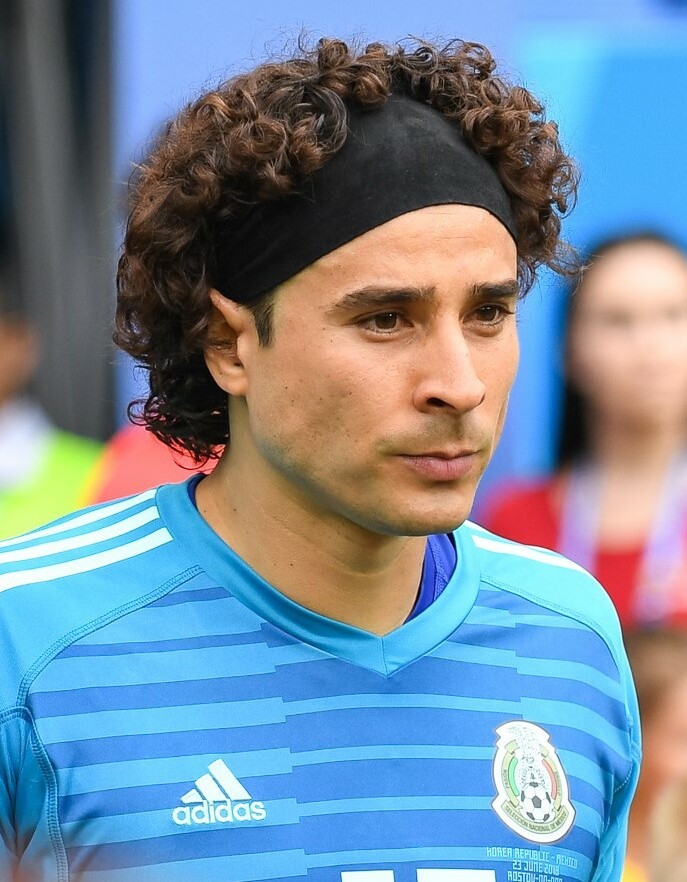
Guillermo Ochoa built an international career from refusing the finish that already looked scored. Brazil in 2014 supplied the defining sequence, especially his reaction to Neymar’s close-range header, but Germany in 2018 and Robert Lewandowski’s penalty in 2022 extended the pattern. His set position could look unconventional; his reactions and ability to make himself large repeatedly repaired it.
Ochoa was selected for six World Cups from 2006 to 2026, playing in three before serving as a veteran reserve at the latest edition. CONCACAF records five Gold Cup titles, more than any other man when he won the fifth in 2023, along with a second tournament goalkeeper award. Club football took him through Mexico, France, Spain, Belgium and Italy without an equivalent super-club peak.
Ochoa ranks above Yearwood because the repeated World Cup excellence and regional honours form the stronger complete international case.
Julio Dely Valdés at 19 never had access to that finals platform, largely because Panama were then distant from qualification, but he supplied a more dangerous European club peak. Ochoa owned the brighter tournament moments; Dely Valdés did more week after week as an outfield match-winner.
Rank 19: Julio Dely Valdés
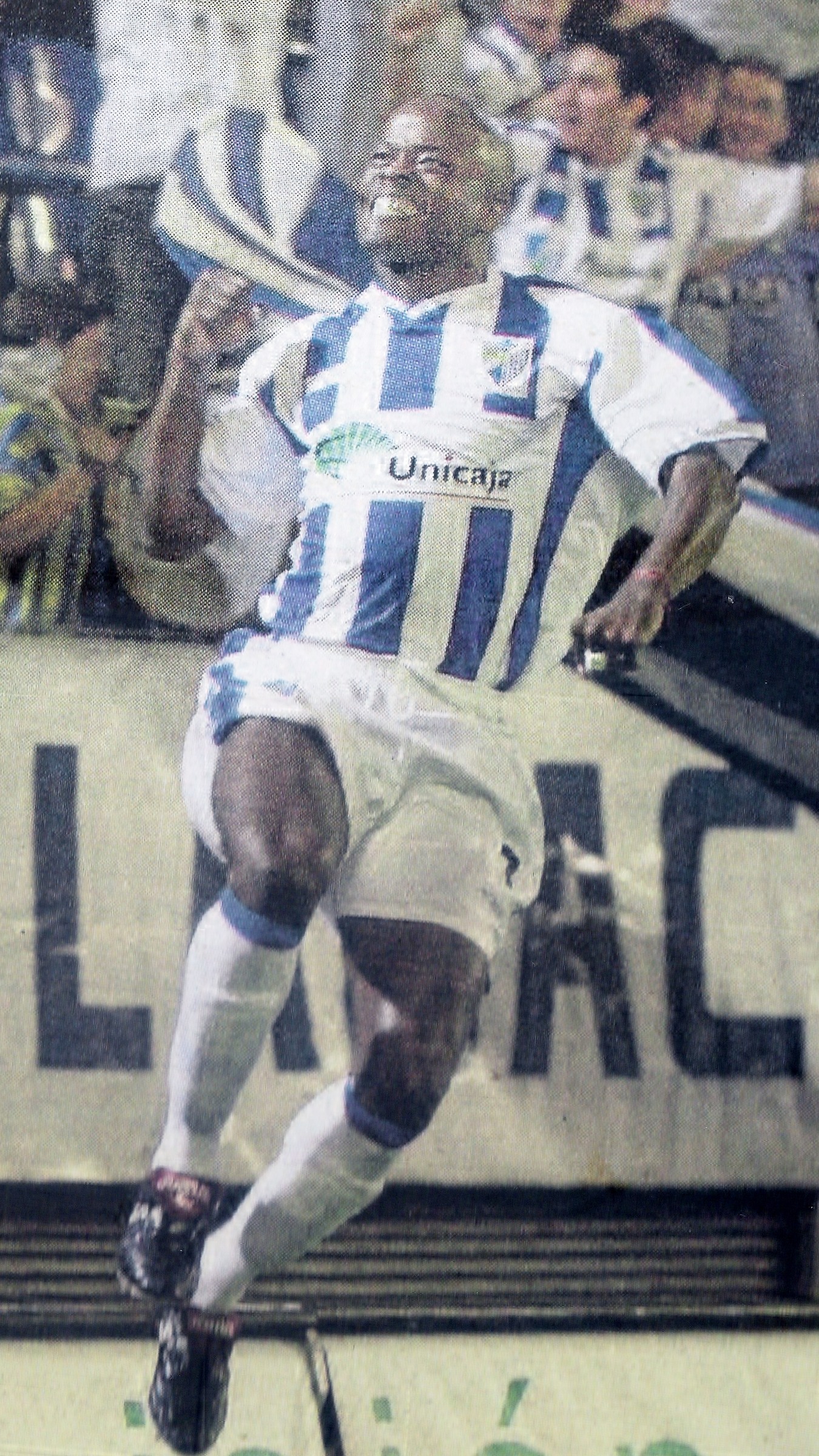
Julio Dely Valdés gave Panama a forward who could solve different European leagues. He first established his scoring in Uruguay and Switzerland, then adapted to Paris Saint-Germain, Real Oviedo and Málaga. Compact, quick to set his feet and formidable in the air for his size, he attacked crosses with timing rather than bulk and could finish before a goalkeeper was balanced.
He was part of Paris’s 1995/96 UEFA Cup Winners’ Cup triumph, making him the only CONCACAF player to win that competition. In Spain he remained productive into his thirties, and for Panama he carried qualifying campaigns before the national side became a regular regional finalist. The absence of a World Cup appearance reflects Panama’s stage of development more than a failure in his game.
Dely Valdés goes above Ochoa because high-level goals remain football’s rarest currency and he supplied them across France and Spain. David Suazo at 18 was more devastating at his best: 94 goals for Cagliari, a 22-goal season and recognition alongside Kaká in Italy. Dely Valdés was the more varied craftsman; Suazo’s Serie A peak reached a higher competitive temperature.
Rank 18: David Suazo
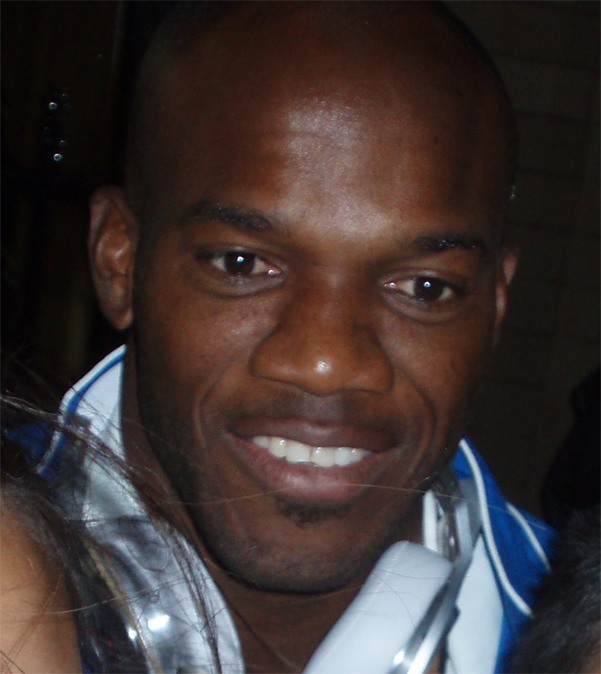
David Suazo’s acceleration changed the geometry of a match. Cagliari could defend deep, wait for one turnover and send La Pantera into the channel before the opposition had reset. He scored 94 times in 255 appearances for the Sardinian club. In 2005/06, 22 goals set a club single-season mark and brought a share of Serie A’s foreign footballer award with Kaká.
Internazionale signed him in 2007 and he contributed to the 2007/08 league title. In Inter’s 2009/10 treble season he made four appearances across four competitions before a January loan to Genoa. His Champions League contribution was one 45-minute group-stage appearance, the second half of a 2-2 draw with Dynamo Kyiv, when an added-time goal was disallowed. He did not participate in the knockout run, so that trophy gets negligible ranking weight. The stronger evidence is the forward who led Cagliari and represented Honduras through three qualifying cycles despite injuries and uneven national support.
Suazo’s explosive Serie A summit places him above Dely Valdés, even though the Panamanian sustained more stylistic variety. Alejandro Morera Soto at 17 is harder to compare because his Europe came seven decades earlier. Suazo faced the deeper modern league; Morera became a leading Barcelona scorer in the 1930s, then carried that knowledge home. Historical reach breaks the tie upward.
Rank 17: Alejandro Morera Soto

Alejandro Morera Soto crossed from Costa Rica to Barcelona in 1933, when such a journey involved almost no established footballing route. Barcelona’s archive credits him with 25 goals in 48 official matches and 63 in 83 first-team fixtures once friendlies are included. Known as El Mago, he combined quick control with a striker’s directness and became a prominent figure in a troubled pre-war side.
After spells with Hércules and Le Havre, the Spanish Civil War disrupted the European portion of his career. Morera returned to Alajuelense, played into the 1940s and later coached, directed the club and managed Costa Rica. Alajuelense’s stadium now bears his name. Those later honours matter because they show that his export was not a one-way escape; the experience fed back into his football culture. Morera edges Suazo through pioneering force and a scoring rate at Barcelona that survives the official-record distinction. Claudio Reyna at 16 cannot match that symbolism or finishing, but his four World Cup squads, 2002 captaincy and long service in Germany, Scotland and England offer a much denser modern test. Morera’s placement rewards rarity; Reyna’s recognises repeated control at speed.
Rank 16: Claudio Reyna
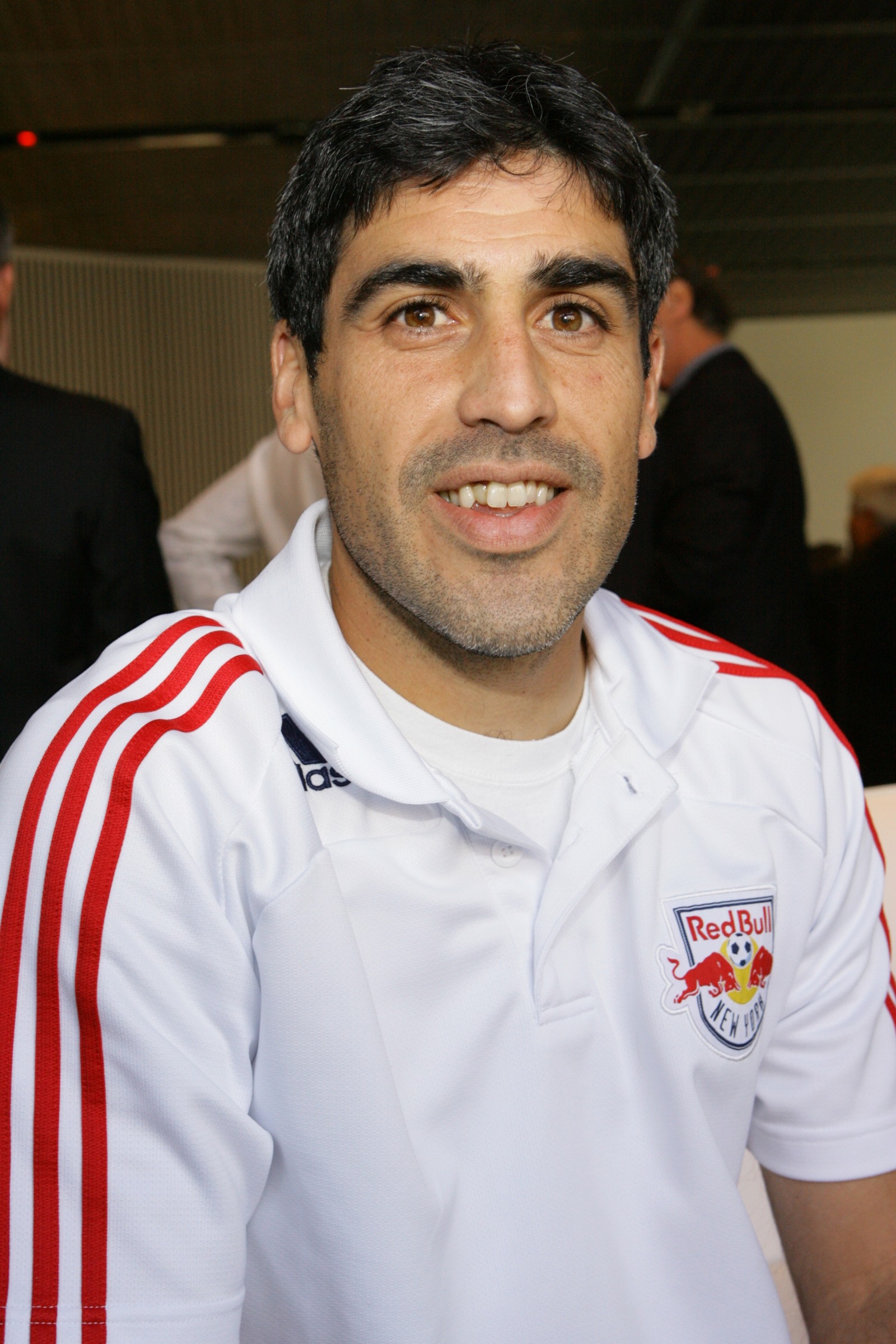
Claudio Reyna was the midfielder American football once struggled to produce: comfortable receiving under pressure, patient enough to change tempo and secure enough technically to organise a side rather than merely energise it. He played in the Bundesliga, captained Wolfsburg, won honours with Rangers and then spent productive years in England with Sunderland and Manchester City.
His 112 United States appearances included selection for four World Cups. Injury prevented him playing in 1994, but in 2002 he captained the quarter-finalists and was named to the tournament’s all-star team. Reyna’s best international work was not measured in goals. He gave the United States a stable first pass and the authority to keep possession against teams it had previously tried only to outrun.
Reyna goes above Morera because his influence can be demonstrated across more sustained top-level seasons and major finals matches. Javier Hernández at 15 offers less midfield command but far more end product: Mexico’s 52-goal record, goals at three World Cups and two Premier League titles. Reyna helped his teams become coherent; Hernández repeatedly converted coherence into the one action on which a match turned.
Rank 15: Javier Hernández

Javier Hernández made elite penalty-box movement look like opportunism. He checked away from a defender, changed direction as the cross was struck and finished with whichever surface the moment allowed.
Manchester United received 59 goals in 157 appearances, including 20 in his debut season, and Hernández contributed to Premier League titles in 2010/11 and 2012/13.
For Mexico, Chicharito scored a national-record 52 goals. He found the net at the 2010, 2014 and 2018 World Cups, beginning with decisive strikes against France and Argentina in South Africa. His broader club journey included Real Madrid, a prolific Bayer Leverkusen spell, West Ham, Sevilla and LA Galaxy. Selection later became contentious, but the verified scoring body is not.
Hernández climbs above Reyna because finishing at that rate for club and country carried greater direct consequence. Bryan Ruiz at 14 scored far less, yet the comparison changes in tournament leadership. Ruiz captained Costa Rica’s 2014 quarter-finalists and scored the goals that broke two knockout barriers. Hernández was the superior poacher; Ruiz shaped more phases of his national side’s greatest run.
Rank 14: Bryan Ruiz

Bryan Ruiz played at a different pulse from the match around him. Tall for a creator, he protected the ball, delayed until a lane opened and then released a pass or shaped a left-footed finish. At Twente he was central to the club’s 2009/10 Dutch title, scoring heavily from the right and between the lines rather than behaving as a fixed winger.
Costa Rica’s 2014 World Cup made his judgement visible to everyone. Ruiz headed the winner against Italy, scored against Greece in the round of 16 and converted in the subsequent shoot-out as captain. Costa Rica topped a group containing Uruguay, Italy and England, then went out unbeaten on penalties in the quarter-final. Ruiz later passed 140 senior appearances across three World Cup cycles.
Ruiz ranks above Hernández because he was the attacking brain and captain of CONCACAF’s deepest modern World Cup run, though Chicharito’s scoring résumé is stronger. Tim Howard at 13 did not reach that quarter-final in 2014, but his long Premier League career, 121 United States caps and repeated tournament shot-stopping create the more sustained elite case. Ruiz owned one great month; Howard accumulated years of last-line responsibility.
Rank 13: Tim Howard

Tim Howard combined explosive reactions with the appetite to command a crowded penalty area. Manchester United signed him directly from MLS and he won the 2004 FA Cup before Everton became his defining club. Across a decade at Goodison Park, he was durable, emotionally forceful and capable of the reflex save that altered the atmosphere of an entire match.
U.S. Soccer records 121 appearances, 42 clean sheets and 62 wins, all exceptional international goalkeeper totals. Howard won the 2007 Gold Cup, took the Golden Glove as the United States beat Spain en route to the 2009 Confederations Cup final, and made an officially recorded 15 saves against Belgium in the 2014 World Cup round of 16. Defeat does not erase that level of resistance.
Howard passes Ruiz because he maintained a high Premier League standard while carrying two World Cup campaigns from goal. Andrés Guardado at 12 offers still greater span: five World Cups, 13 finals appearances and nearly two decades of high-level European midfield work. Howard’s best individual tournament match was more dramatic; Guardado’s adaptability survived more teams, managers and tactical eras.
Rank 12: Andrés Guardado
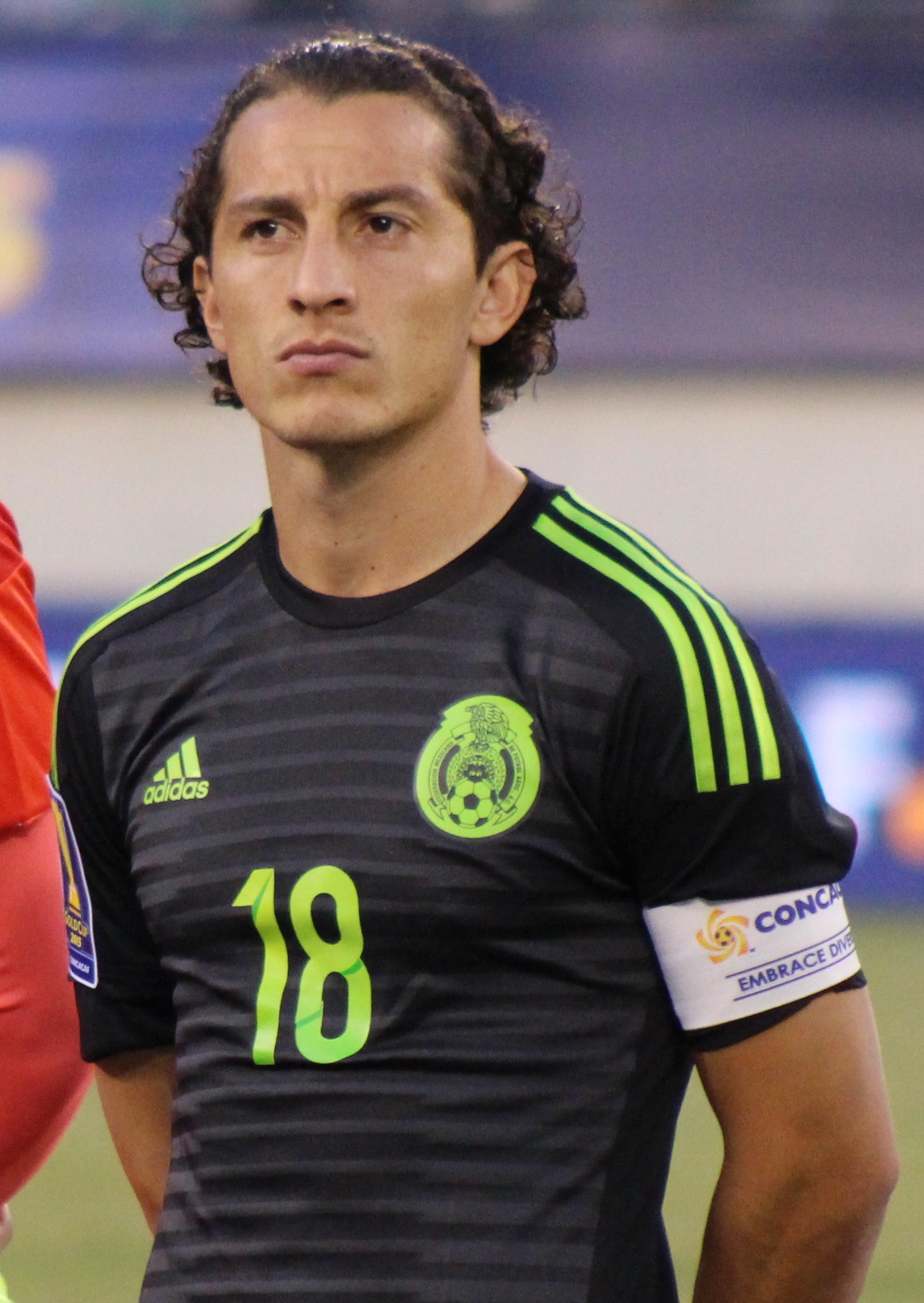
Andrés Guardado began as a surging left-sided player and ended as the midfielder who told everyone else where the next pass belonged. That evolution kept him in Europe from 2007 to 2024. He won two Dutch league titles with PSV, became a captain and reference at Real Betis, and helped lift the 2022 Copa del Rey after a final settled on penalties. Mexico selected him at five World Cups from 2006 to 2022. His 13 appearances at the finals sit behind only Rafael Márquez among Mexican players at the cut-off of the underlying record, and his wider senior total reached the high 170s. Guardado also won three Gold Cups, scoring three times across finals, and served as captain through a volatile period for the national side.
Guardado ranks above Howard because top-level reinvention across seventeen European years accompanies comparable international responsibility. Christian Pulisic at 11 has not yet matched that longevity, but his peak has already moved beyond it: a Champions League semi-final goal, participation in the winning final and successive double-figure scoring seasons at AC Milan. Guardado mastered endurance; Pulisic has created a higher attacking ceiling.
Rank 11: Christian Pulisic
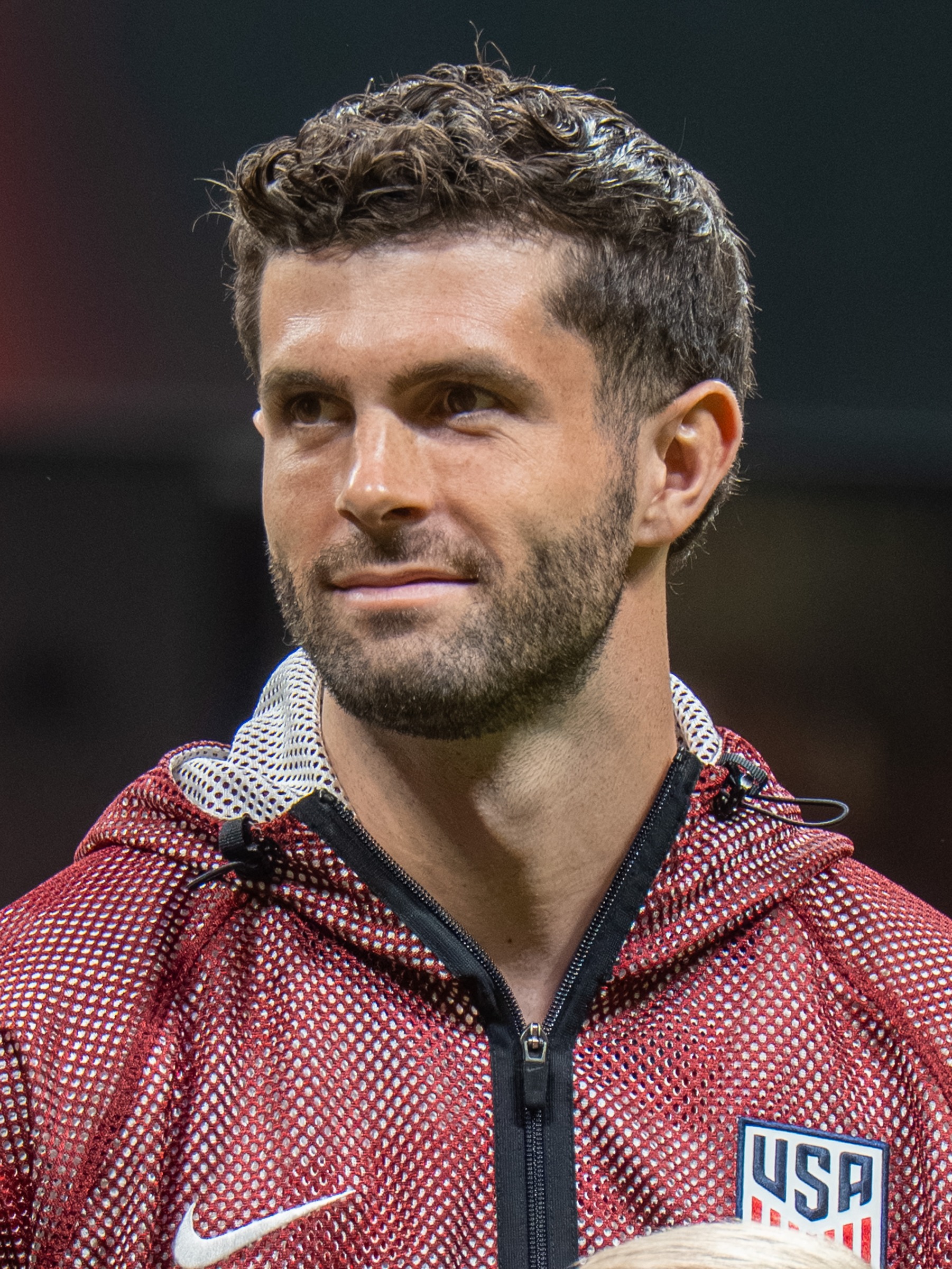
Christian Pulisic has carried American expectation since becoming a Bundesliga regular as a teenager. His defining strength is the first acceleration after control: he receives side-on, commits a defender and reaches the penalty area before the block is set. At Chelsea he scored in a Champions League semi-final against Real Madrid and became the first United States international to play in a European Cup final, winning it in 2021.
His move to AC Milan produced a more complete scorer. The club records 15 goals in all competitions in 2023/24, 17 in 2024/25 and 42 across his first 134 appearances by June 2026. For the United States he captained young, drove qualification for Qatar 2022, contributed to every American goal at those finals and won two CONCACAF Nations League titles by the 2023 edition.
Pulisic edges Guardado because decisive Champions League work and his Milan peak represent the more difficult attacking standard. Jorge Campos at 10 never held a comparable European role, but redefined a position, excelled as both goalkeeper and emergency forward and became the visual centre of a strong Mexico era. Pulisic has the higher conventional club proof; Campos changed the region’s footballing imagination.
Rank 10: Jorge Campos
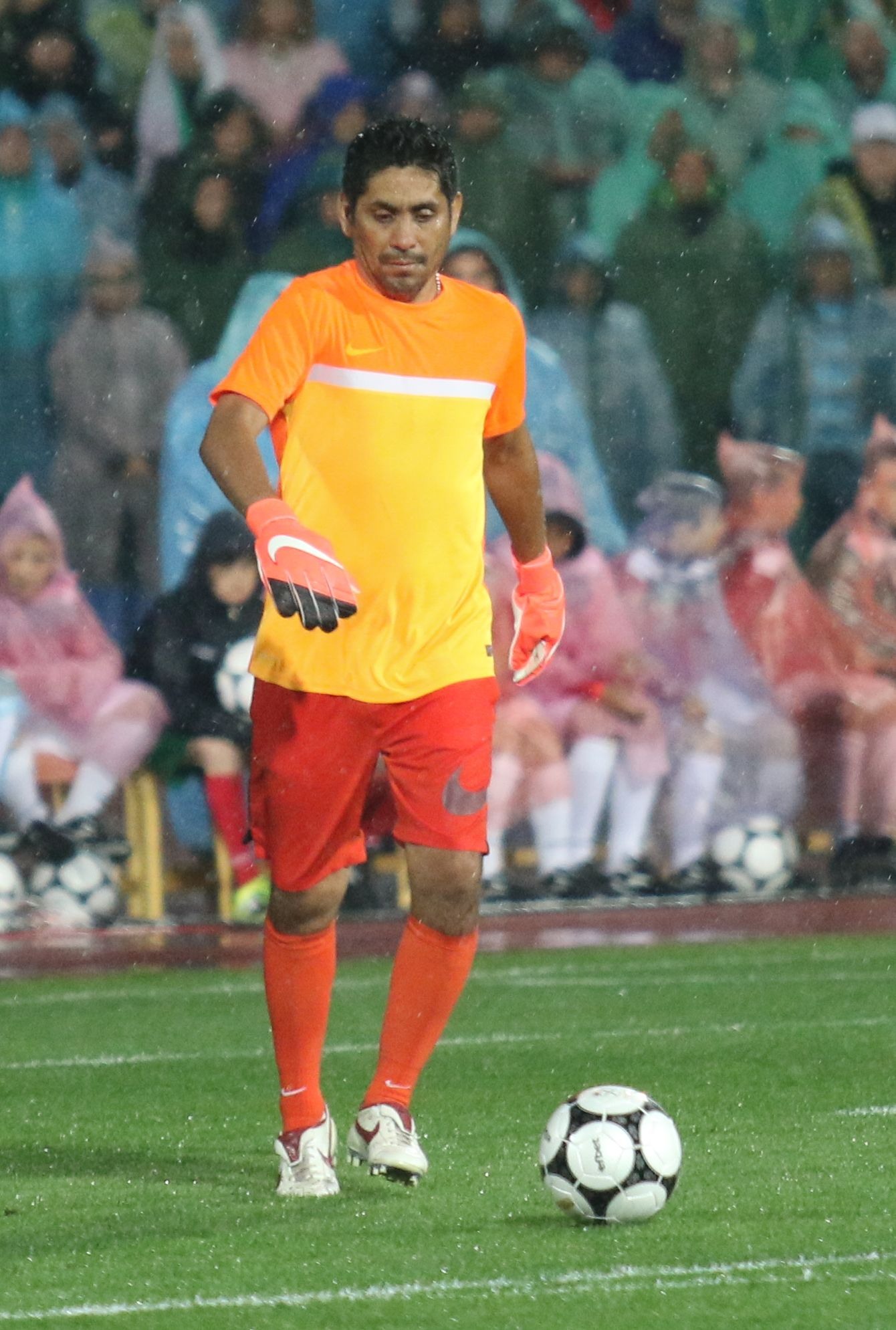
Jorge Campos treated the penalty area as territory to be attacked. Barely 1.70 metres tall, he compensated through spring, speed off his line and the confidence to meet danger before it became a shot. At UNAM he had initially played up front and remained a credible emergency forward, scoring genuine senior goals rather than performing the role as a publicity trick.
Mexico made him first-choice goalkeeper at the 1994 and 1998 World Cups, periods in which the side won the 1993 Gold Cup and 1999 Confederations Cup.
The self-designed shirts made Campos globally recognisable, but the style served a football idea: his mobility allowed Mexico to defend higher and circulate through an extra player. He anticipated the modern sweeper-keeper without imitating one.
Campos enters the top ten above Pulisic because he combined international performance with a lasting alteration of how the region imagined goalkeeping. Clint Dempsey at nine did not change a position, but he scored 57 United States goals, delivered in three World Cups and became Fulham’s defining American attacker. Campos expanded possibility; Dempsey repeatedly imposed himself on better-funded opposition.
Rank 9: Clint Dempsey
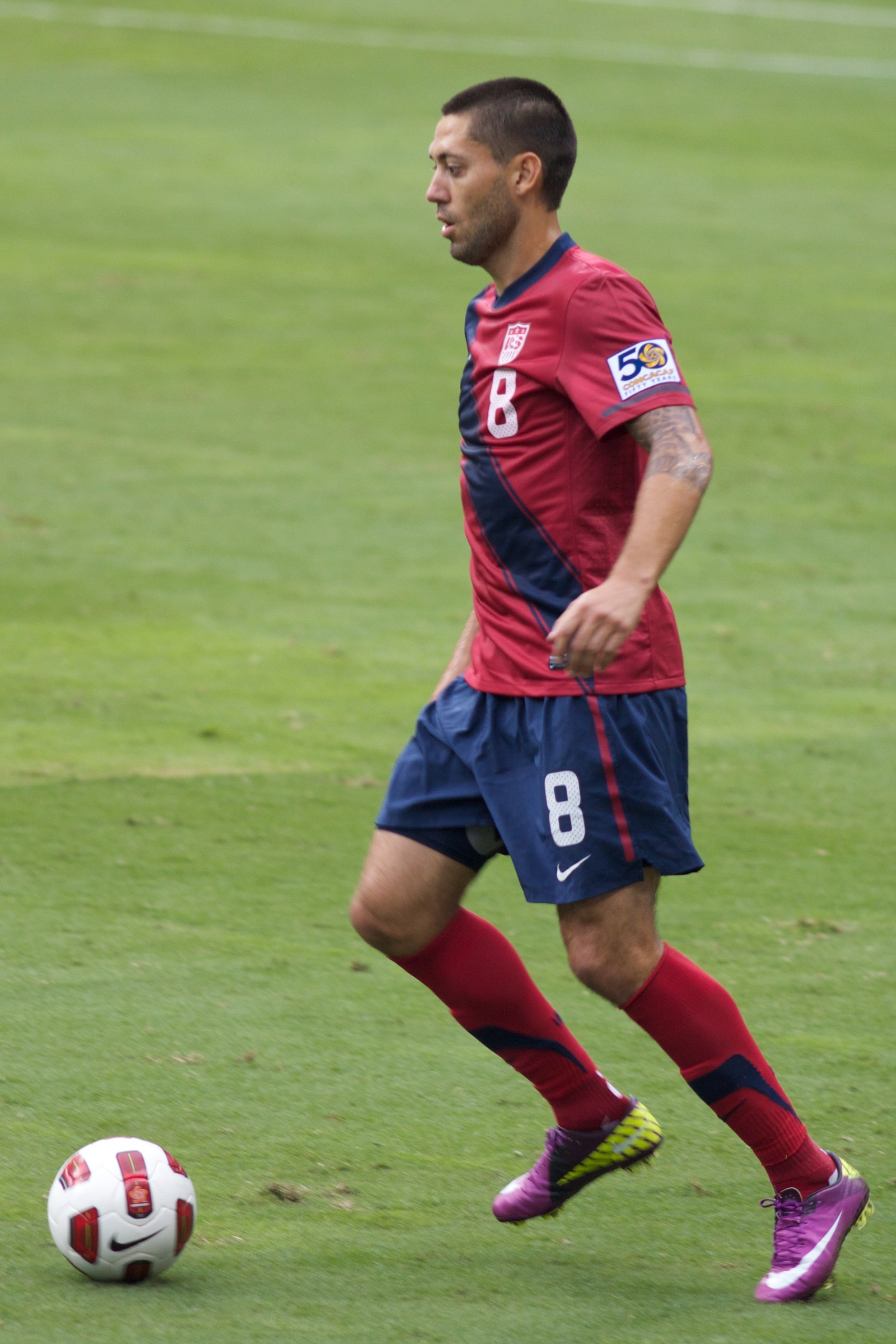
Clint Dempsey played as if a match were a dare. He could arrive from midfield, lead the line, improvise with his back to goal or risk the audacious finish, most famously the chip that completed Fulham’s Europa League comeback against Juventus. U.S. Soccer records 50 goals in 184 Fulham appearances, a run that made him the club’s leading Premier League scorer when he left.
His 57 international goals in 141 appearances tied the United States record at retirement. Dempsey scored at the 2006, 2010 and 2014 World Cups, the first American man to do so in three editions, and helped reach the 2009 Confederations Cup final. He won three Gold Cups and scored against Ghana after 29 seconds in 2014 despite suffering a broken nose later in the match.
Dempsey edges Campos because his individual production survived both Premier League seasons and repeated global tournaments. Alphonso Davies at eight has fewer completed years, so this is the list’s boldest active-player judgement. Davies’s 2020 Champions League run and world-class transition ability produced a higher peak than Dempsey reached. The American owns more evidence; the Canadian’s best level is more exceptional.
Rank 8: Alphonso Davies
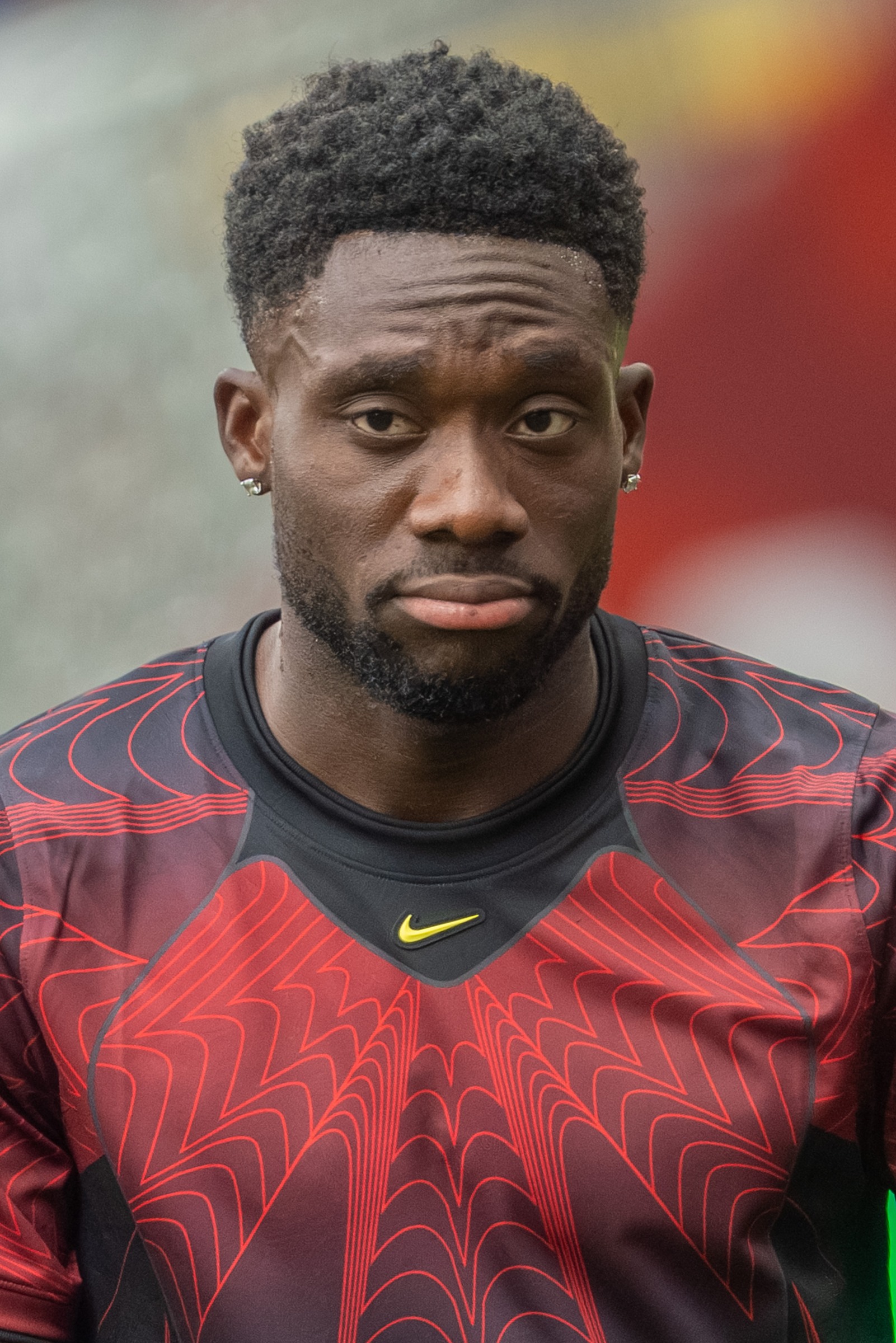
Alphonso Davies can erase an opponent’s positional advantage in a few strides. Bayern converted a teenage winger into a left-back whose recovery speed protected an aggressive structure and whose carrying broke lines that a safe pass could not. In the 2019/20 Champions League run, his escape and assist against Barcelona distilled the combination: defensive origin, fearless acceleration, precise final action. Davies became the first Canadian man to play in and win a Champions League final. That season also brought the Bundesliga, German Cup, selection in the UEFA squad of the season and a place in the FIFA FIFPRO World 11. For Canada he won the 2017 Gold Cup Golden Boot at 16, drove the return to the 2022 World Cup and scored the country’s first men’s finals goal.
The height of that treble-season performance takes Davies above Dempsey, but the provisional label matters while injuries have interrupted some later campaigns. Cuauhtémoc Blanco at seven never reached Davies’s club environment. He instead sustained more than two decades of creative responsibility, dominated a Confederations Cup and scored across three World Cups. Davies owns the higher athletic-tactical peak; Blanco’s authorship of matches lasted longer.
Rank 7: Cuauhtémoc Blanco
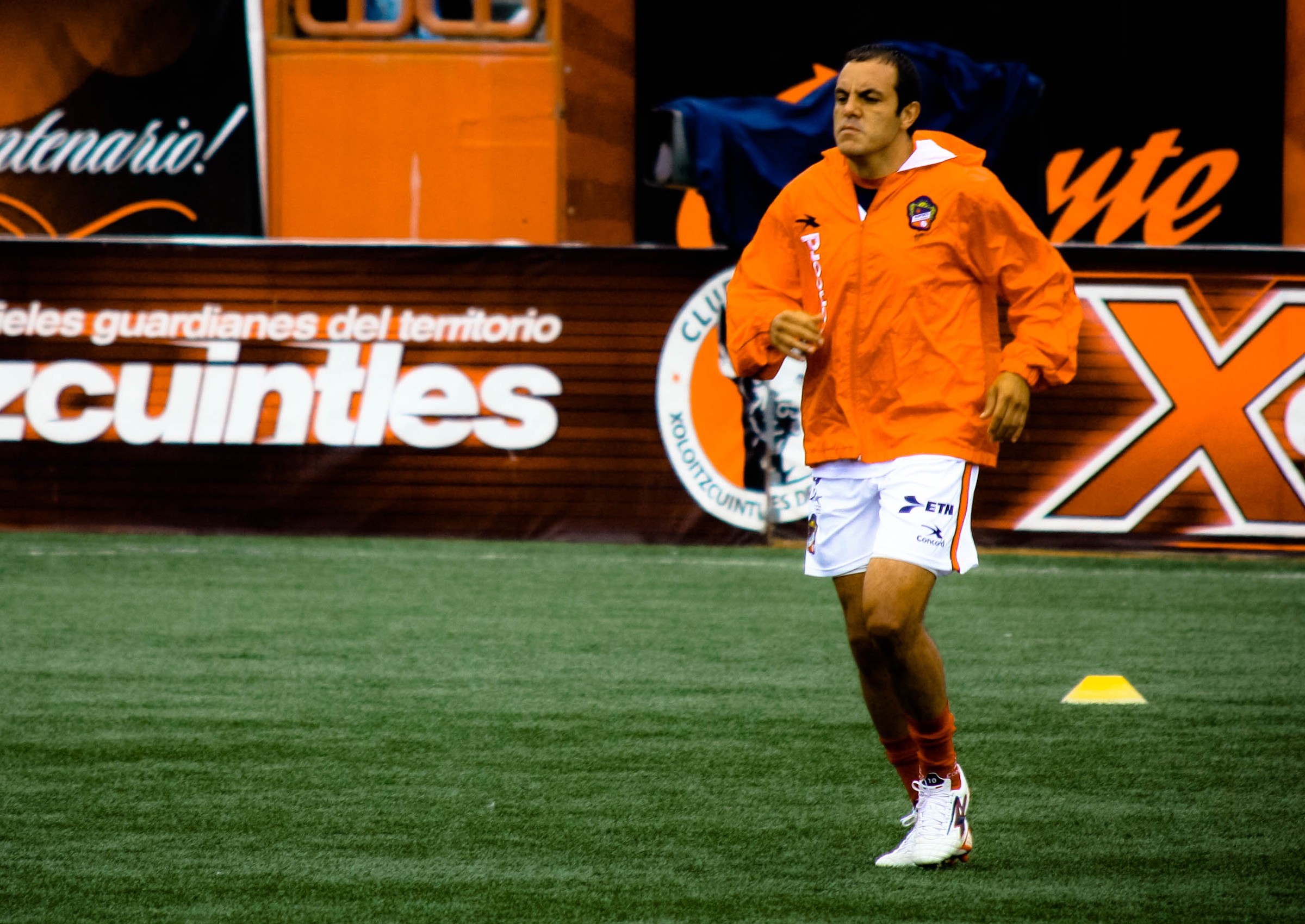
Cuauhtémoc Blanco saw confrontations as fuel. He played between midfield and attack with an unusual crouch, shielding the ball, drawing contact and then releasing a disguised pass once the defence leaned the wrong way. The famous Cuauhtemiña trapped the ball between his feet, but his enduring value lay in harder skills: chance creation, penalty-area timing and command of a hostile occasion.
The 1999 Confederations Cup was his international masterpiece. Blanco scored six goals, shared the Golden Boot and received the Silver Ball as Mexico beat Brazil in the final. He also won Gold Cups in 1996 and 1998, finished with 39 goals from 120 Mexico appearances and became the first Mexican to score at three World Cups, spanning 1998 to 2010.
Blanco ranks above Davies because his national side revolved around his judgement for longer and because 1999 ended with both individual dominance and a major trophy. Landon Donovan at six was less ingenious in tight spaces, but covered more ground, created more international goals and settled more championship matches. Blanco could bend a game to his personality; Donovan constructed a larger system of decisive contributions.
Rank 6: Landon Donovan
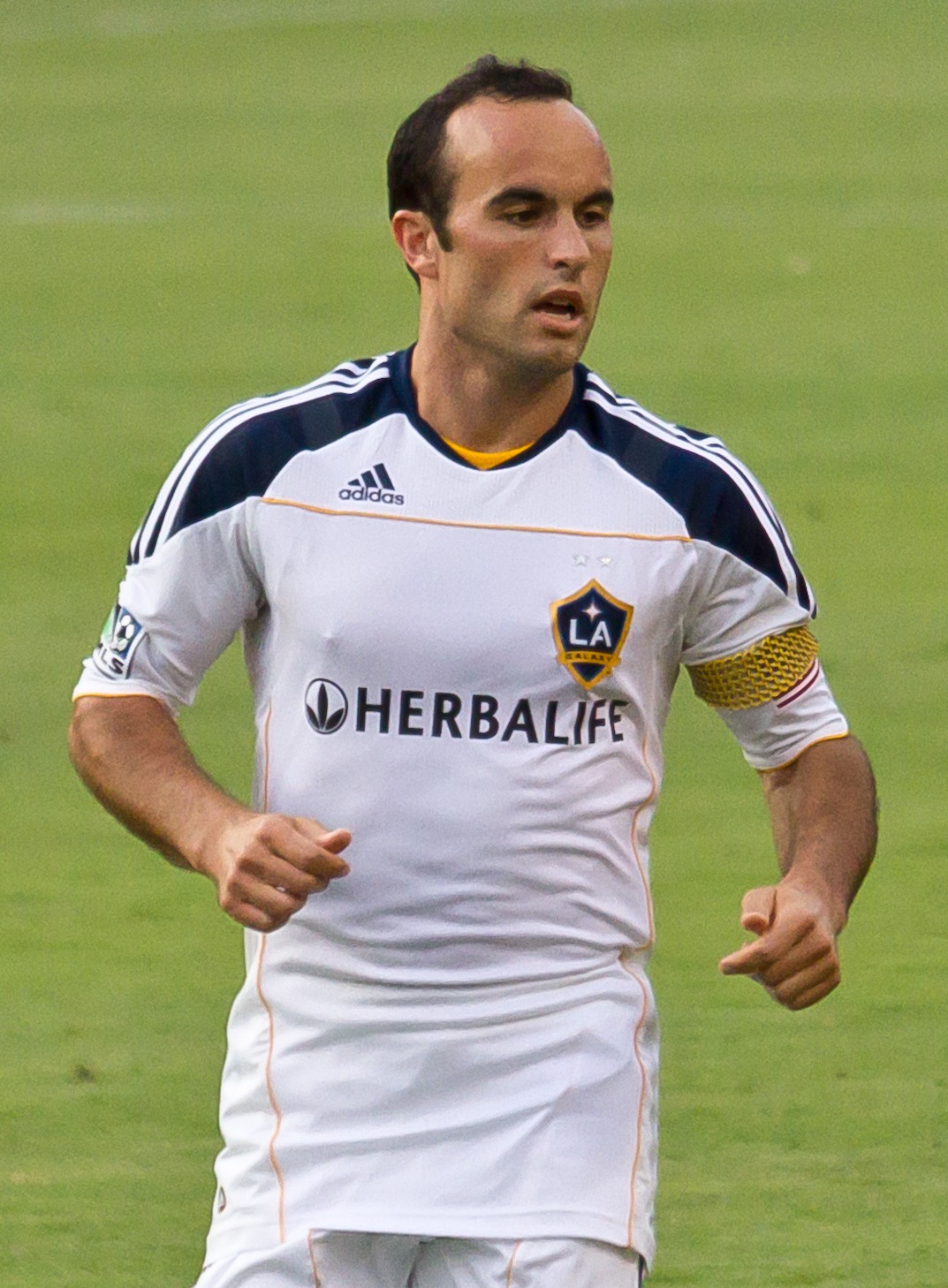
Landon Donovan’s great skill was turning perception into speed. He scanned before receiving, released runners early and then accelerated into the space their movement opened. That made him both scorer and supplier.
U.S. Soccer records 57 goals and 58 assists in 157 senior appearances, leaving him joint top for goals and alone at the head of the assist list when his international career ended.
Five World Cup goals included the late winner against Algeria in 2010 and a quarter-final run in 2002. At club level he accumulated 145 goals and 136 assists in 315 MLS matches, won a record six MLS Cups and twice supplied a title-winning final performance worthy of the occasion. Short Everton loans proved that his quick thinking translated readily to the Premier League.
Donovan passes Blanco because no other regional attacker combined that volume of international creation with so many domestic championships. Antonio Carbajal at five presents the opposite case: a goalkeeper with little attacking arithmetic, but 18 years of professional continuity and repeated responsibility through Mexico’s formative World Cups. Donovan built more championship actions; Carbajal carried the more singular historical burden.
Rank 5: Antonio Carbajal
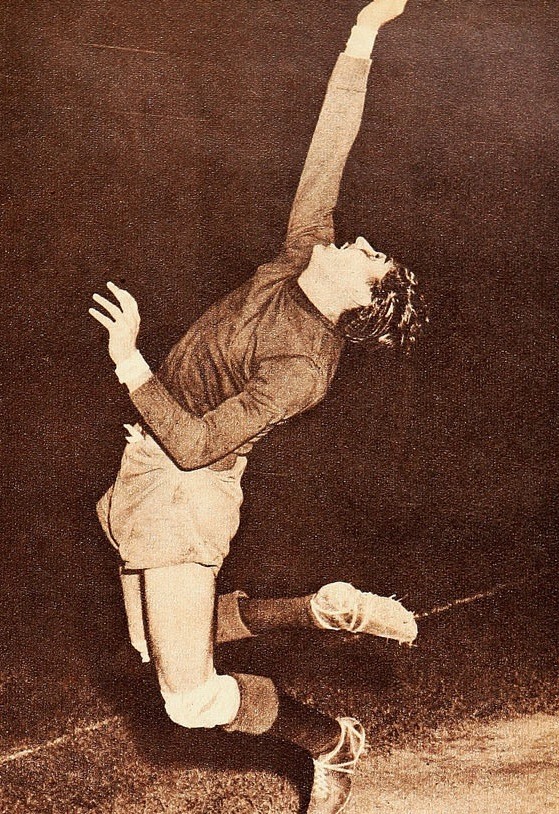
Antonio Carbajal kept goal with an authority that preceded modern specialist coaching. FIFA’s remembrance emphasises his personality and security under pressure; the surviving footage shows a keeper prepared to leave his line, claim through traffic and restart play quickly rather than remain attached to the posts. His professional career ran from 1948 to 1966 and comprised 409 matches, 364 of them across 16 seasons with León.
The defining record was international. Carbajal became the first man to play at five World Cups, appearing in 11 finals matches from Brazil 1950 to England 1966 and holding the five-edition record alone for 32 years. He captained Mexico throughout the 1958 and 1962 tournaments. Those campaigns contained the country’s first World Cup draw and, against eventual runners-up Czechoslovakia in 1962, its first victory.
Carbajal rises above Donovan because he remained Mexico’s last line through five radically different finals and established a standard of international longevity that outlived his era. Donovan owns the richer body of goals, assists and club trophies, so the margin is historical rather than statistical. Dwight Yorke at four adds the peak Carbajal could not claim: he was the leading attacker on a European champion. Carbajal made endurance unprecedented; Yorke made elite opposition yield.
Rank 4: Dwight Yorke

Dwight Yorke’s smile disguised a ruthless understanding of space. Aston Villa developed him from a winger into a forward capable of dropping off, combining and arriving to finish. Manchester United then paired him with Andy Cole. In 1998/99 Yorke scored 29 goals in all competitions, shared the Premier League Golden Boot and led the Champions League scoring as United completed the treble.
He did not disappear after the summit: Yorke scored 22 times in the following campaign and won a third straight league title in 2000/01. For Trinidad and Tobago, he returned from international retirement to anchor the successful 2006 World Cup qualification and captained the country’s first finals side. His deeper midfield role there revealed how completely he understood a match.
Yorke ranks above Carbajal because he converted gifts into the central attacking role on a European champion and then gave his nation its defining qualification. Keylor Navas at three went further still in that competition, starting for three consecutive Champions League winners after carrying Costa Rica to a World Cup quarter-final. Yorke’s treble peak was magnificent; Navas repeated comparable pressure across three seasons.
Rank 3: Keylor Navas
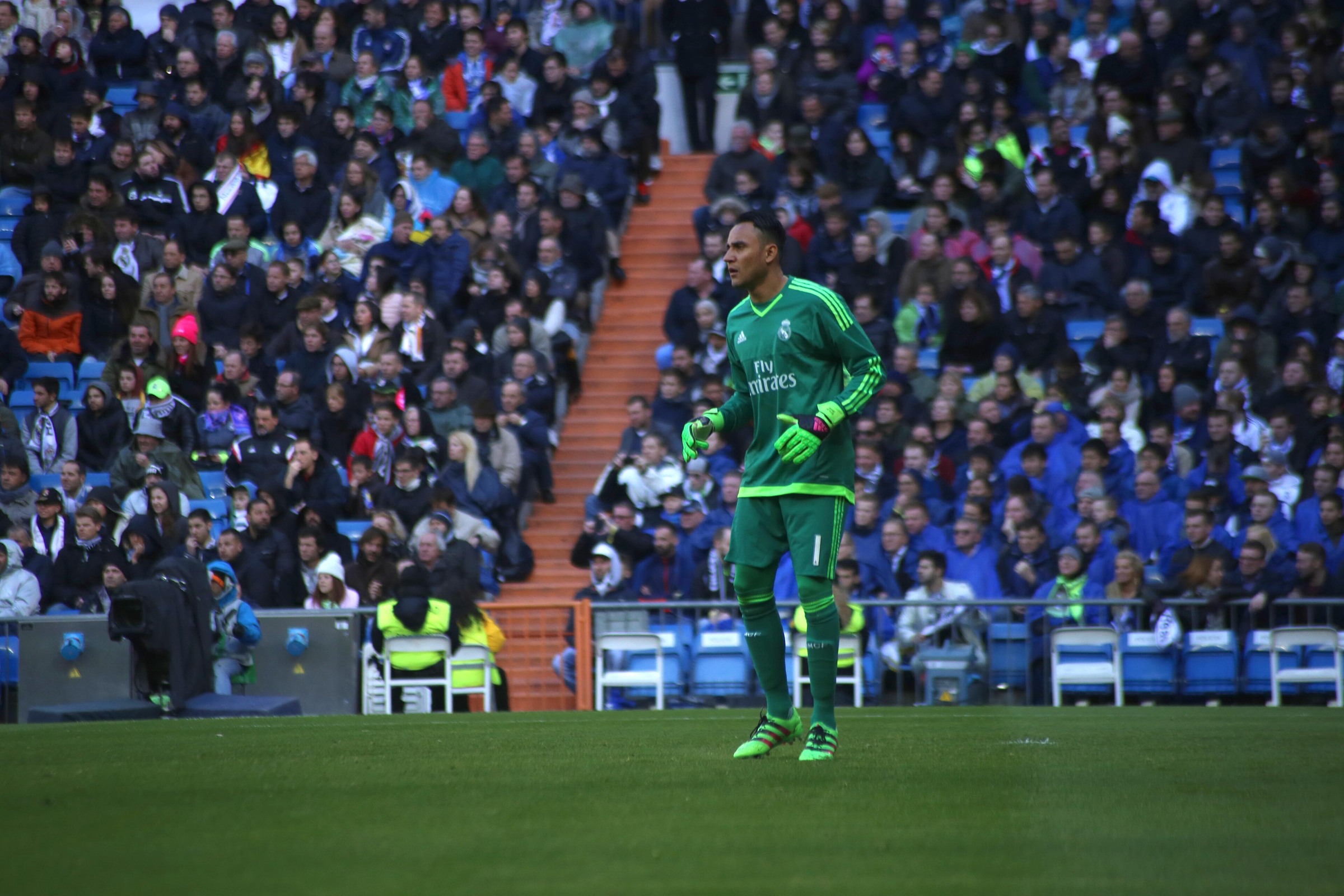
Keylor Navas reached elite football by disproving successive assumptions: that a Costa Rican goalkeeper would not become a La Liga starter, that Levante’s shot volume inflated him, that Real Madrid would replace him before he could define an era. His feet set rapidly, his reactions stayed compact and his capacity to reset after conceding made him exceptionally suited to knockout football.
At the 2014 World Cup he was the last great obstacle in Costa Rica’s unbeaten run to the quarter-finals. Real Madrid signed him weeks later. Navas then started the 2016, 2017 and 2018 Champions League final victories, one of only seven goalkeepers to win three European Cup finals, and UEFA’s jury named him Champions League Goalkeeper of the Season for 2017/18. Navas passes Yorke because he joined an extraordinary international tournament to three years as the active last line of Europe’s champions. Rafael Márquez at two matches the continental trophies and adds the broader outfield burden: initiating play, defending multiple zones and leading Mexico through five World Cups. Navas mastered the decisive save; Márquez governed more of the game for longer.
Rank 2: Rafael Márquez
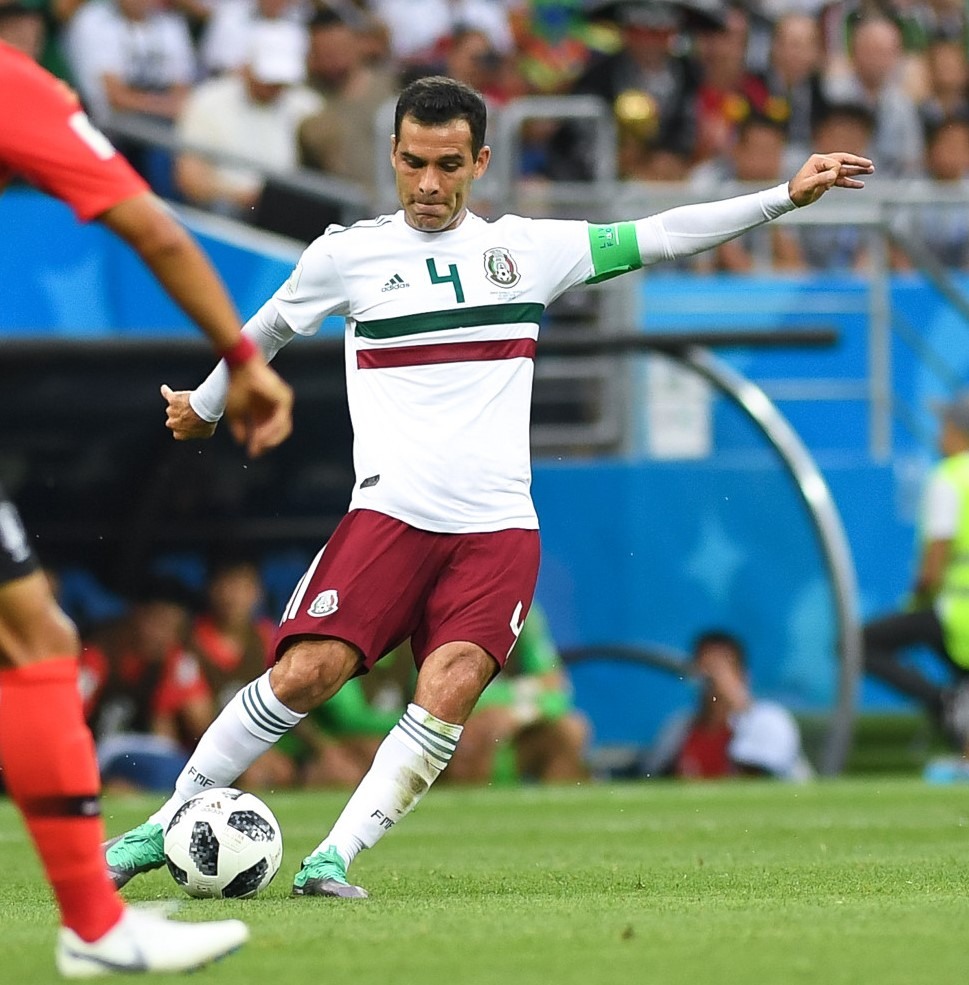
Rafael Márquez defended like a playmaker who happened to begin behind the ball. His first touch escaped pressure, his passing broke midfield lines and his reading allowed him to step forward without exposing the space behind. Monaco won Ligue 1 with him. Barcelona then used him at centre-back and holding midfield across 242 appearances and 13 goals, winning four leagues and two Champions Leagues.
For Mexico he made 147 appearances, scored 17 goals and played 19 times across five World Cups. He was not merely present: he captained in each edition, scored in three and remained the organiser through changing generations. The failure to reach a quarter-final is a legitimate limitation, but Márquez repeatedly gave Mexico control against higher-ranked teams before fine margins turned the knockout match.
Márquez ranks above Navas because his elite club success was allied to a larger tactical influence and two decades of national leadership. Only Hugo Sánchez stands higher. Márquez had the fuller international finals career, but Sánchez reached a club attacking level no other CONCACAF player has approached: repeated Spanish scoring titles while serving as the finishing point of a dominant Real Madrid side.
Rank 1: Hugo Sánchez
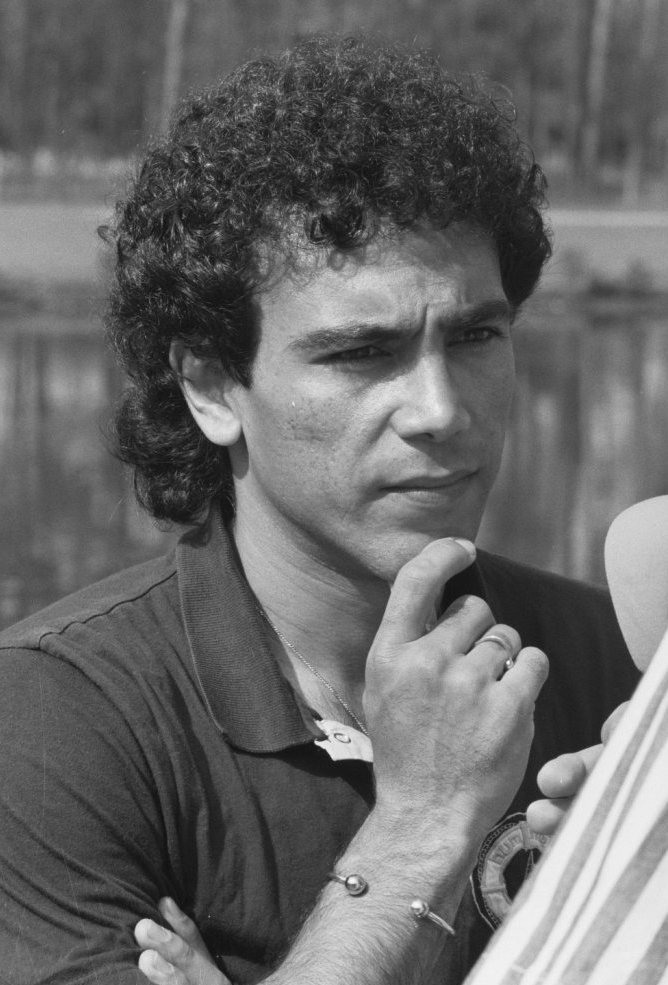
Hugo Sánchez was a specialist in the sport’s most valuable action. He attacked the near post, met crosses before defenders set themselves and turned awkward service into volleys, headers and acrobatic finishes. The spectacle was founded on repetition. Atlético Madrid gave him his first Pichichi; at Real Madrid he became the exact penalty-box endpoint for the Quinta del Buitre’s sweeping football.
Real Madrid record 208 goals in 282 official matches. Sánchez won five consecutive league titles there, the 1985/86 UEFA Cup and four more Pichichi trophies as the league’s leading scorer.
His 38 league goals in 1989/90 equalled the competition record at the time. For Mexico he earned 75 caps, went to three World Cups and helped reach the 1993 Copa América final.
Márquez offers the stronger Mexico argument, and Navas owns the greater Champions League collection. Sánchez remains number one because he was not simply accepted at a super-club; for half a decade he was Spanish football’s benchmark scorer. No neighbouring candidate dominated an elite individual category for as long. The region has produced greater captains and pioneers, but never a more formidable peak performer.
Our complete top 30
| Rank | Player | National team | Primary role |
|---|---|---|---|
| 1 | Hugo Sánchez | Mexico | Centre-forward |
| 2 | Rafael Márquez | Mexico | Centre-back |
| 3 | Keylor Navas | Costa Rica | Goalkeeper |
| 4 | Dwight Yorke | Trinidad and Tobago | Forward |
| 5 | Antonio Carbajal | Mexico | Goalkeeper |
| 6 | Landon Donovan | United States | Forward |
| 7 | Cuauhtémoc Blanco | Mexico | Second striker |
| 8 | Alphonso Davies | Canada | Left-back |
| 9 | Clint Dempsey | United States | Forward |
| 10 | Jorge Campos | Mexico | Goalkeeper |
| 11 | Christian Pulisic | United States | Winger |
| 12 | Andrés Guardado | Mexico | Midfielder |
| 13 | Tim Howard | United States | Goalkeeper |
| 14 | Bryan Ruiz | Costa Rica | Attacking midfielder |
| 15 | Javier Hernández | Mexico | Centre-forward |
| 16 | Claudio Reyna | United States | Central midfielder |
| 17 | Alejandro Morera Soto | Costa Rica | Centre-forward |
| 18 | David Suazo | Honduras | Centre-forward |
| 19 | Julio Dely Valdés | Panama | Centre-forward |
| 20 | Guillermo Ochoa | Mexico | Goalkeeper |
| 21 | Gilberto Yearwood | Honduras | Defender and midfielder |
| 22 | Jonathan David | Canada | Centre-forward |
| 23 | Carlos Ruiz | Guatemala | Centre-forward |
| 24 | Brad Friedel | United States | Goalkeeper |
| 25 | Dwayne De Rosario | Canada | Attacking midfielder |
| 26 | Claudio Suárez | Mexico | Centre-back |
| 27 | Paulo Wanchope | Costa Rica | Centre-forward |
| 28 | Atiba Hutchinson | Canada | Central midfielder |
| 29 | Wes Morgan | Jamaica | Centre-back |
| 30 | Clyde Best | Bermuda | Centre-forward |
A region measured by more than one route
Our final rankings contain arguments that cannot be settled by arithmetic. Sánchez’s finishing, Márquez’s control and Navas’s knockout goalkeeping are different forms of excellence. Carbajal’s five World Cups force us to choose between pioneering longevity and the deeper club tests available later. Davies, Pulisic and David are moving targets whose eventual positions depend on work still ahead.
Our rankings also show why CONCACAF history must be read outwards as well as upwards. Best and Morera Soto crossed borders before there was a reliable path to do so. Yearwood, Hutchinson and Dely Valdés represented nations that had little leverage in the transfer market. Donovan and De Rosario proved that regional club football could create decisive careers without pretending every achievement was equivalent to winning in Madrid or Barcelona.
Those differences are not inconveniences to be smoothed away. They are the subject. CONCACAF’s greatest footballers have expanded the region from many starting points, sometimes by winning the largest trophies and sometimes by making sure the next player was no longer treated as an impossibility. Ultimately, Hugo Sánchez stands first because his peak remains unmatched. So far!




.jpg)

_(cropped).jpg)


.jpg)

.jpg)
.jpg)


.jpg)

.jpg)


.jpg)
.jpg)