30 men who controlled football from its most complicated territory
Midfield is where unlike jobs are forced into one ranking. Claude Makélélé protected centre-backs and moved the ball simply. Zico attacked the penalty area as a scorer. Xavi shaped the location and rhythm of entire matches. Calling all three midfielders is accurate, but it does not make their responsibilities interchangeable.
Our rankings therefore begin with role. Each player is judged on how completely he performed the work his teams required, then on peak influence, longevity, major matches, club and international achievement, quality of competition and tactical legacy. Goals matter when scoring was part of the brief. They cannot be used to mark down a holding midfielder for doing a different job. Nor does possession volume prove control without considering what the passes changed.
30 different solutions to midfield
| Rank | Midfielder | Country | The defining case |
|---|---|---|---|
| 1 | Xavi | Spain | Total command of passing rhythm and positional structure |
| 2 | Zinedine Zidane | France | Rare technique converted into decisive international peaks |
| 3 | Andrés Iniesta | Spain | Press resistance, invention and unmatched timing in major moments |
| 4 | Michel Platini | France | A playmaker who dominated tournaments through goals and thought |
| 5 | Lothar Matthäus | West Germany and Germany | Complete two-way authority sustained across an exceptional career |
| 6 | Zico | Brazil | Creative authority with the production of an elite scorer |
| 7 | Luka Modrić | Croatia | Complete control across roles, systems and an exceptional late career |
| 8 | Didi | Brazil | Tempo, passing range and direction for two World Cup winners |
| 9 | Bobby Charlton | England | Driving power, goals and sustained influence from deep positions |
| 10 | Luis Suárez Miramontes | Spain | Ballon d’Or class as both creator and organiser |
| 11 | Gianni Rivera | Italy | Subtle chance creation and match intelligence over two decades |
| 12 | Sócrates | Brazil | One-touch invention, leadership and an unusual scoring threat |
| 13 | Andrea Pirlo | Italy | Deep construction refined into an entire tactical identity |
| 14 | Ruud Gullit | Netherlands | Physical and technical superiority across several midfield tasks |
| 15 | Frank Rijkaard | Netherlands | Defensive reading with the skill to transform possession |
| 16 | Johan Neeskens | Netherlands | Relentless pressing, running and penalty-area arrival |
| 17 | Falcão | Brazil | Elegant two-way authority for Internacional, Roma and Brazil |
| 18 | Rivelino | Brazil | Left-footed creation, shooting and three World Cup campaigns |
| 19 | Toni Kroos | Germany | Precision and strategic calm across six European Cup wins |
| 20 | Sergio Busquets | Spain | Positional intelligence that made an aggressive system viable |
| 21 | József Bozsik | Hungary | The passing and competitive core of the Mighty Magyars |
| 22 | Nils Liedholm | Sweden | Technical longevity and creative leadership in Italy |
| 23 | Mário Coluna | Portugal | A complete captain for Benfica’s European breakthrough |
| 24 | Obdulio Varela | Uruguay | Defensive authority and leadership in the Maracanã |
| 25 | Gérson | Brazil | The controlling left foot of the 1970 world champions |
| 26 | Kevin De Bruyne | Belgium | Direct creation at unprecedented Premier League volume |
| 27 | Clarence Seedorf | Netherlands | Tactical adaptability and European success with three clubs |
| 28 | Fernando Redondo | Argentina | Press resistance and control at a brilliant but abbreviated peak |
| 29 | Patrick Vieira | France | Reach, carrying power and midfield dominance in England |
| 30 | Claude Makélélé | France | Specialist defensive intelligence with lasting tactical influence |
Rank 30: Claude Makélélé
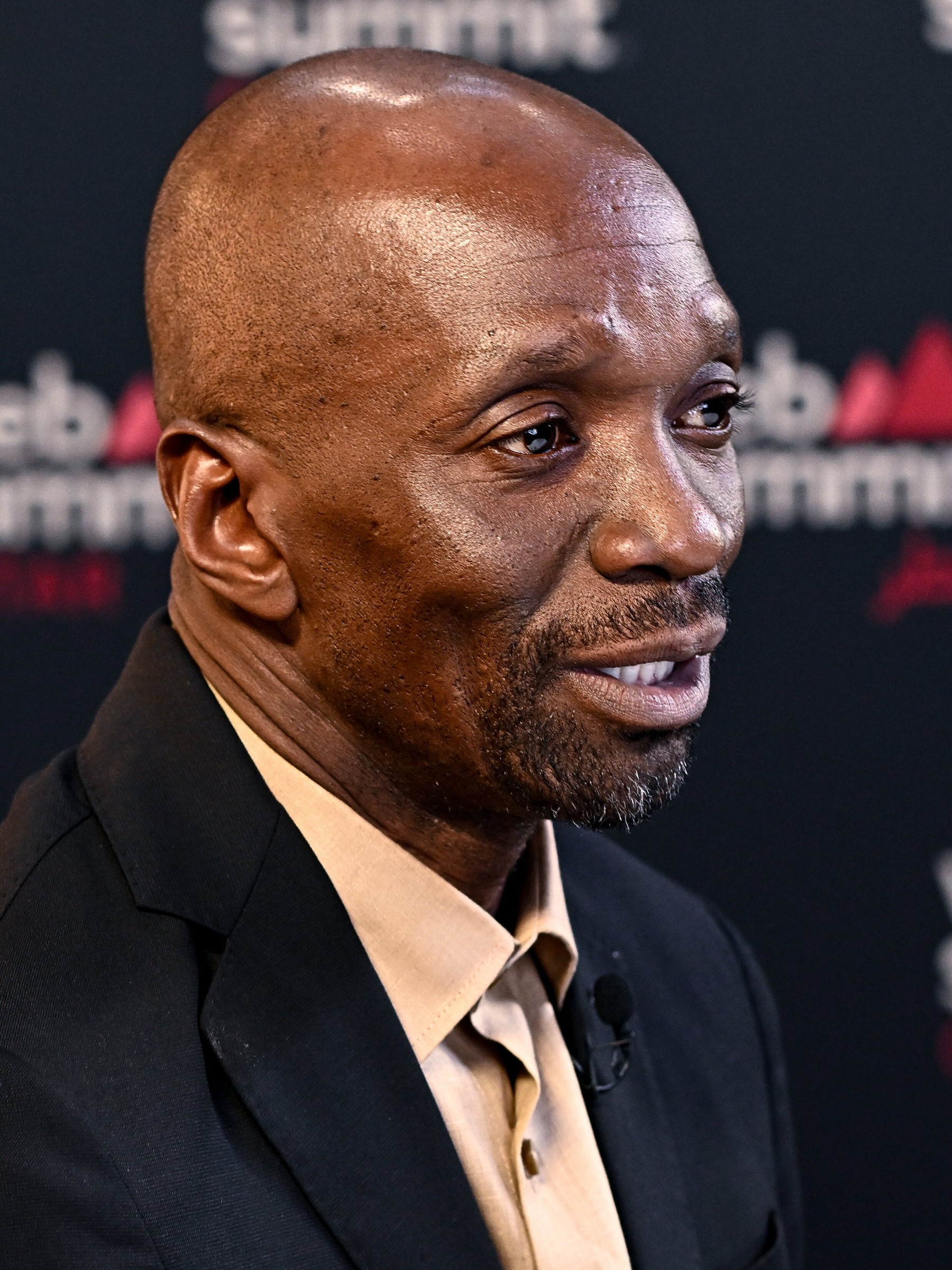
Makélélé’s reputation became so attached to a position that it can flatten the player. He did not merely stand in front of the defence. He tracked which team-mate had left a zone, arrived early enough to tackle without going to ground and returned possession at an angle that allowed the next pass to be progressive. His 71 France caps show that this specialist skill survived beyond José Mourinho’s Chelsea.
At Real Madrid he balanced a team increasingly designed around attacking celebrity; at Chelsea he gave Frank Lampard and the full-backs freedom to advance. The limitation is also clear. Makélélé rarely altered a match through ambitious passing or scoring, so sides had to supply invention elsewhere. That narrower remit keeps him at 30 in a ranking containing more complete midfielders. His importance lies in the precision with which he performed it and in the tactical vocabulary that followed.
Rank 29: Patrick Vieira
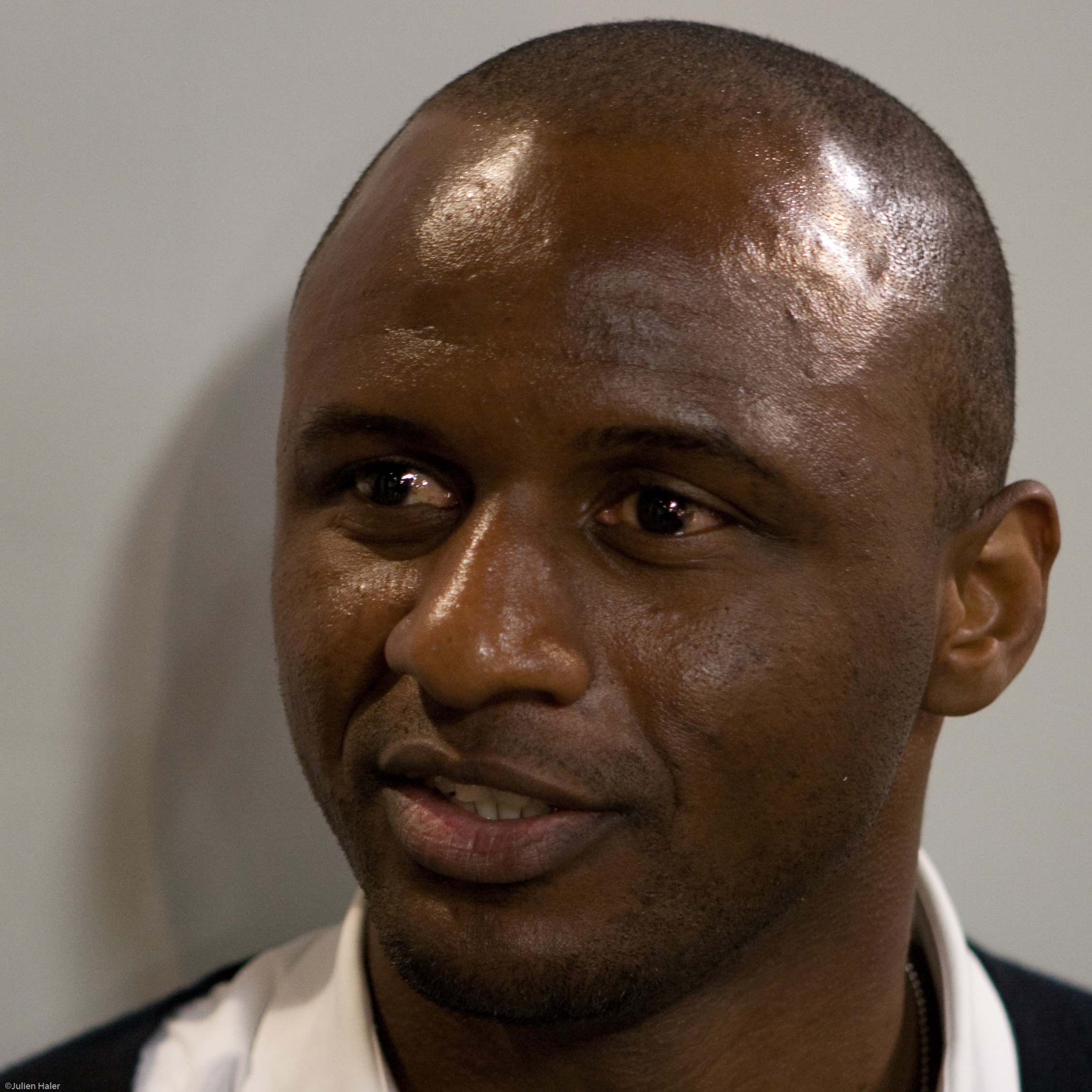
Vieira could regain the ball and carry it through the pressure that followed, turning defence into territory with one stride pattern. Arsenal’s best sides depended on that double action. He was neither a pure holder nor an attacking number eight, but a midfielder who changed the physical geography of a contest. Across 107 France appearances he won the 1998 World Cup and Euro 2000, assisting Emmanuel Petit’s clinching goal in the World Cup final.
The duel with Roy Keane became a convenient symbol for English football, yet Vieira’s broader game deserves more attention: disguised passing, recovery angles and the confidence to receive while marked. Injuries reduced several seasons and his European club record lacks a Champions League win. Those gaps keep him below midfielders whose control extended more reliably into continental campaigns. His 2003/04 captaincy of Arsenal’s unbeaten league season remains a powerful peak.
Rank 28: Fernando Redondo
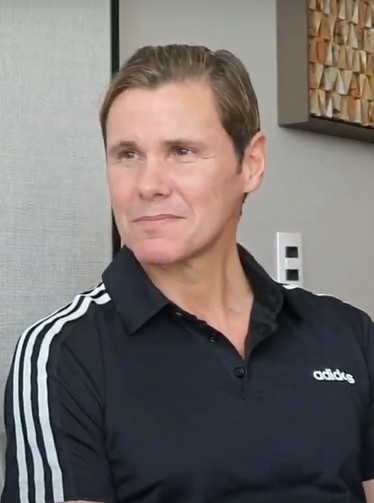
Redondo received under pressure with the confidence of a forward and the awareness of a defender. He used a turn or a short carry to remove an opponent, then passed once the new lane had opened. Real Madrid’s 1998 and 2000 Champions League victories were built around that calm. The backheel that eliminated Henning Berg at Old Trafford in 2000 was memorable because it condensed his normal method into one extravagant action.
Only 29 Argentina caps reflect conflict over selection and a career repeatedly interrupted by injury, not a lack of international ability. His refusal to cut his hair became part of a wider disagreement with Daniel Passarella; later, a serious knee injury ruined most of his Milan spell. Redondo’s prime can be compared with almost anyone’s for press resistance and tempo. The smaller body of evidence prevents a higher position.
Rank 27: Clarence Seedorf
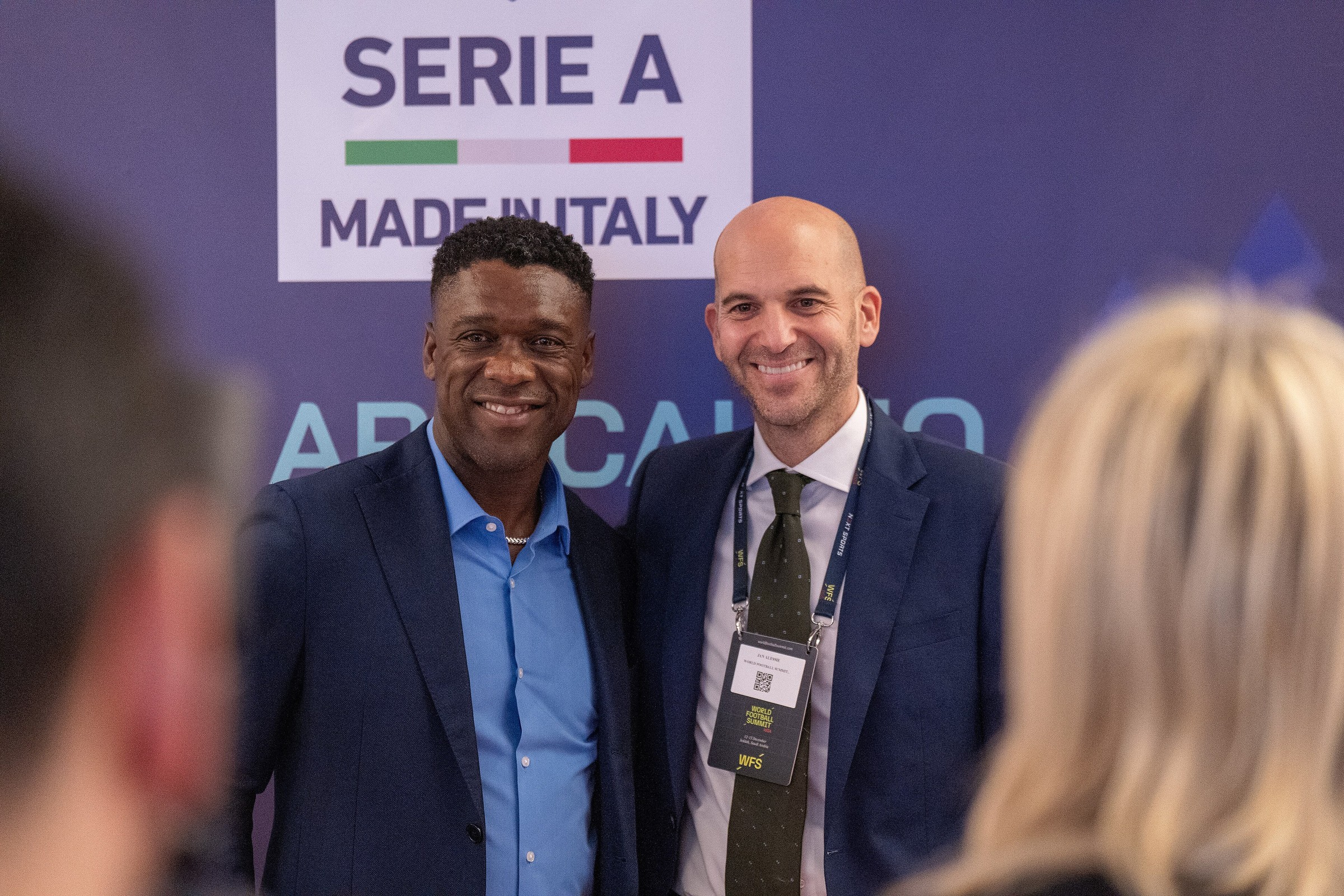
Seedorf solved different tactical problems without losing his identity. Ajax used his power and timing from the right, Real Madrid trusted his long passing and Milan placed him in a narrow creative midfield that demanded patience. He remains the only player to win the Champions League with three clubs, collecting four titles across Ajax, Madrid and Milan.
That record was not accidental passenger status. Seedorf played in the 1995 and 1998 finals and was central to Milan’s 2003 and 2007 campaigns. His 87 Netherlands caps brought less fulfilment, partly because the national side struggled to turn talent into balance. He could drift through ordinary league matches and never became the undisputed organiser of a great international team. Adaptability, strength on the ball and repeated European consequence nevertheless make him a clear top-30 midfielder.
Rank 26: Kevin De Bruyne
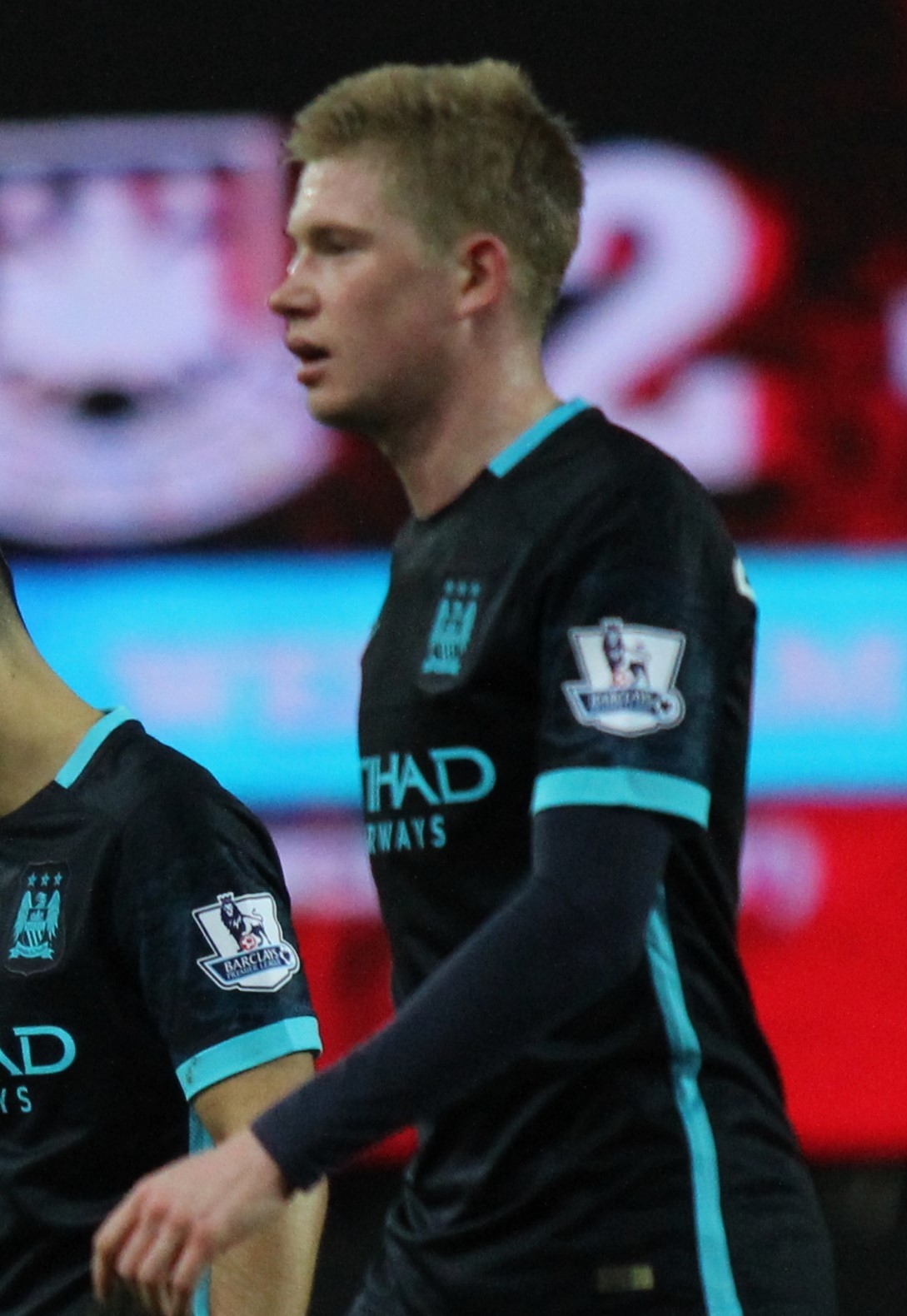
De Bruyne passes towards where a defence is weakest, even when the safe option is obvious. Low crosses from the inside-right channel, early balls behind a high line and powerful carries gave Manchester City a direct route through opponents who had closed central space. His 20 assists in the 2019/20 Premier League matched the competition record, and the variety matters as much as the total.
He became the creative reference point of a side that won six league titles and the 2023 Champions League. Injuries reduced his minutes during later seasons, while Belgium’s gifted generation never reached a final. Those facts hold him below Seedorf’s continental longevity and the historical conductors ahead. De Bruyne’s best football was less about monopolising possession than choosing the exact moment to make possession dangerous.
Rank 25: Gérson
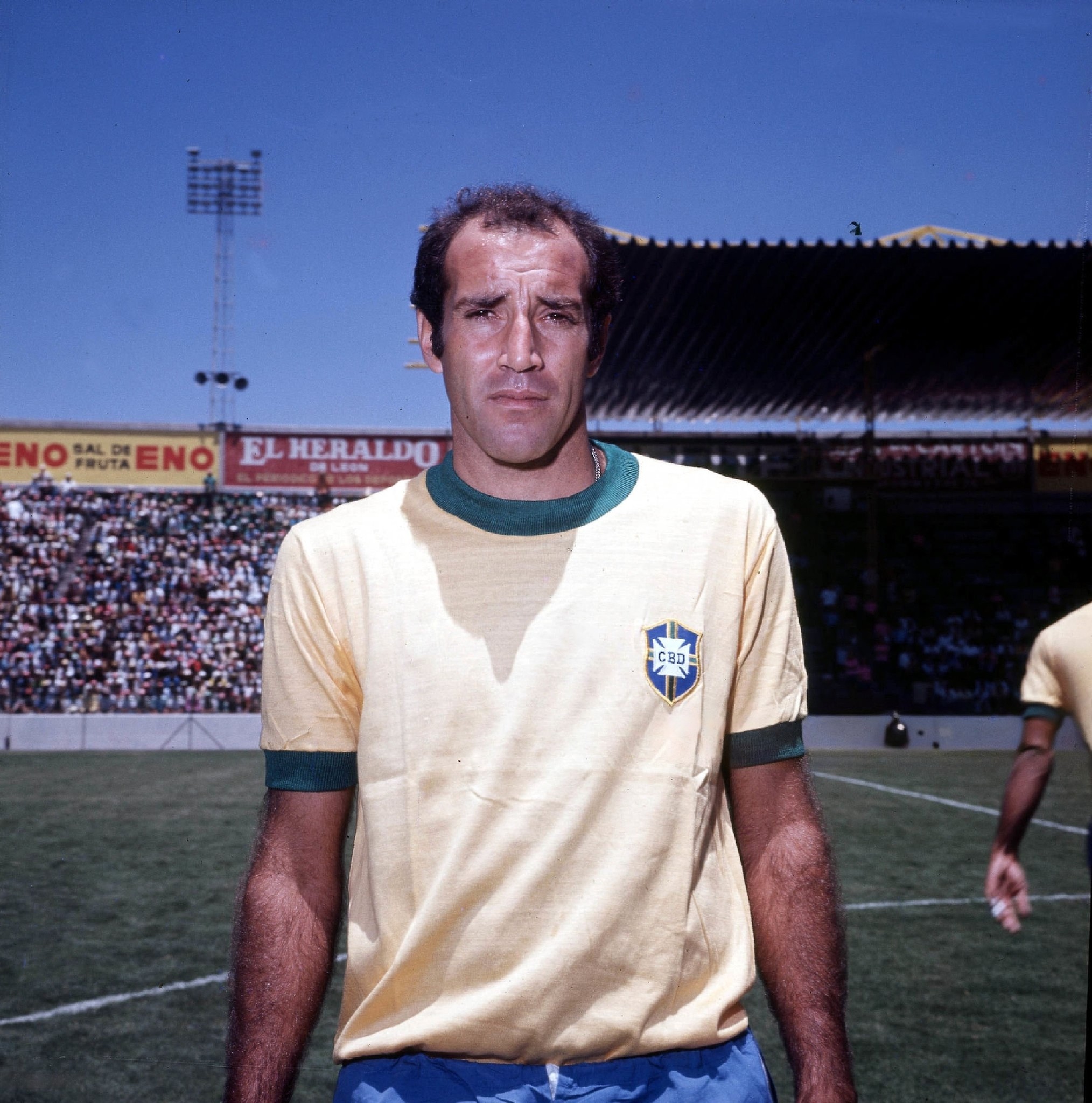
Gérson’s left foot gave Brazil’s 1970 side its route from patient circulation to sudden attack. He could slow the game beside Clodoaldo, then hit a diagonal pass that placed Jairzinho or Carlos Alberto behind the opposition’s midfield. In the World Cup final he also scored the goal that put Brazil 2-1 ahead, striking cleanly from outside the area.
He earned 70 Brazil caps and won major domestic honours with four leading clubs, but his historical image is concentrated heavily in one tournament. Film from Mexico confirms more than a beautiful passer: Gérson competed for loose balls, covered advancing full-backs and decided when Pelé should receive early. A shorter international peak and no European club comparison keep him at 24. Within the most celebrated team in World Cup history, his control was indispensable rather than decorative.
Rank 24: Obdulio Varela
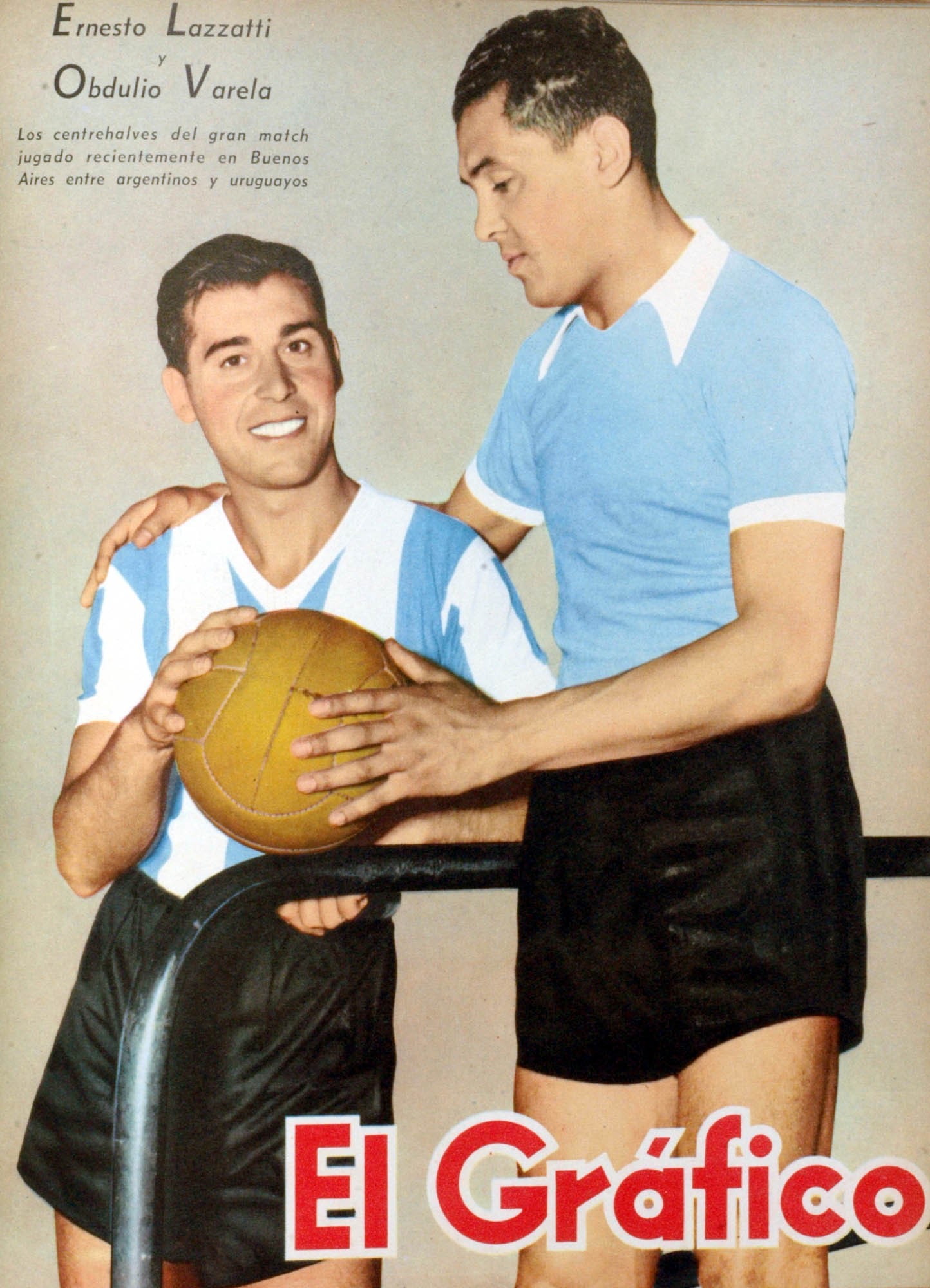
Varela’s football belonged to the old centre-half role, part ball-winner, part organiser and part emotional regulator. The 1950 World Cup final round against Brazil made those functions inseparable. After Friaça scored, Varela delayed the restart, spoke to team-mates and drained urgency from the Maracanã. Uruguay then overturned the match.
He won 45 caps and six Uruguayan league titles with Peñarol. Limited footage makes it difficult to separate later myth from repeatable technical detail, but contemporary accounts consistently describe accurate distribution, strong positioning and authority without constant movement. Varela ranks ahead of Gérson because his single greatest match involved leadership that altered the competitive state itself. His small international schedule prevents the comparison from travelling much higher.
The famous delay after Brazil scored was only the visible part of his control. Varela also screened the centre, chose when Uruguay could risk a forward pass and kept Juan Schiaffino close enough to counter. That combination of tactical and emotional judgement is the reason the Maracanazo belongs in his case without swallowing it whole.
Rank 23: Mário Coluna
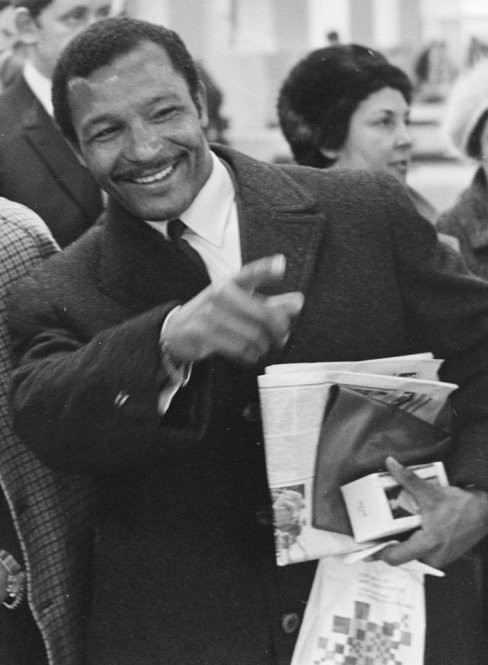
Coluna supplied Benfica’s attacking football with force and order. He could recover possession, strike powerfully from distance and carry the ball through contact, allowing smaller creators to work ahead of him. Fifty-seven Portugal caps included the 1966 World Cup, where he captained the side to third place and controlled the midfield behind Eusébio.
At Benfica he played in five European Cup finals and won two, scoring in the 1961 victory over Barcelona. The quantity identifies a dynasty; his role explains it. Coluna could protect a lead without retreating into passivity and could accelerate a match without abandoning its structure. He receives less modern attention than Eusébio, yet his influence on the same teams was immense. The ranking reflects that substance while acknowledging the narrower footage and data available from Portuguese domestic football.
Rank 22: Nils Liedholm
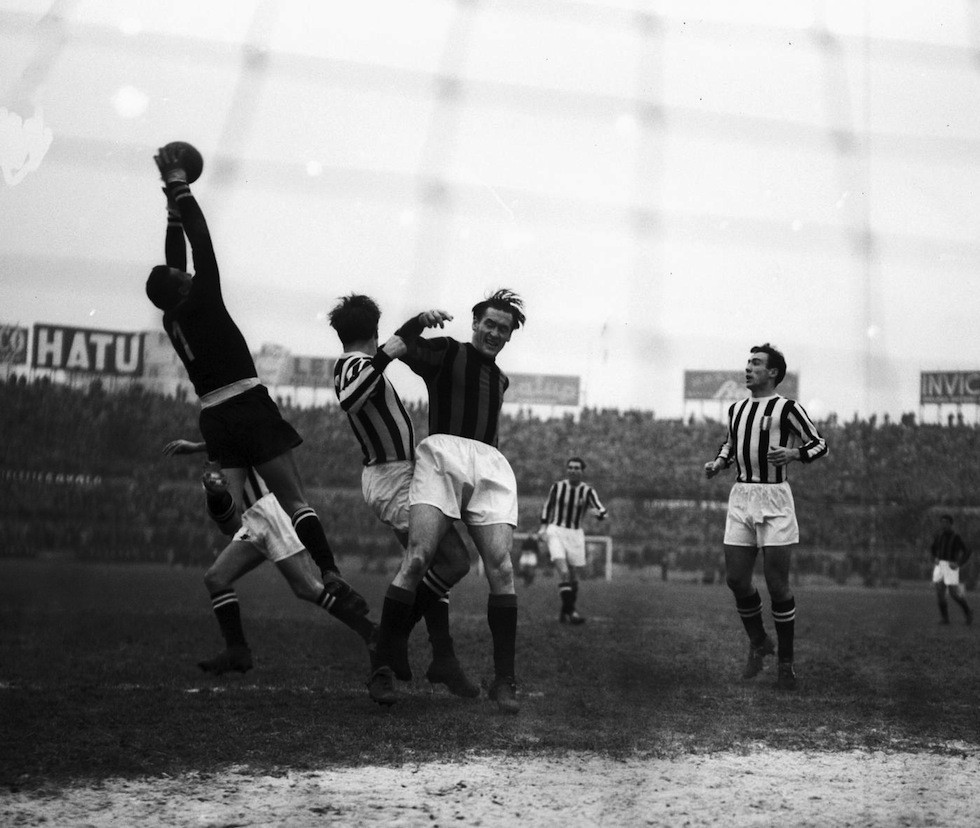
Liedholm brought a measured passing game from Sweden to Italy and then kept refining it as Serie A changed around him. He made 359 league appearances for Milan, scoring 81 goals, and captained the club to the 1963 European Cup. Those figures capture both longevity and a level of penalty-area involvement unusual for a player remembered primarily as a constructor.
With Sweden he won Olympic gold in 1948 and scored in the 1958 World Cup final at the age of 35. His pace had declined by then, but his first touch and spatial judgement allowed him to set the rhythm against younger opponents. Liedholm’s role sits between eras and classification systems, which is why simple midfielder totals mislead. He belongs here for turning technique into useful control across 15 high-level Italian seasons.
Rank 21: József Bozsik
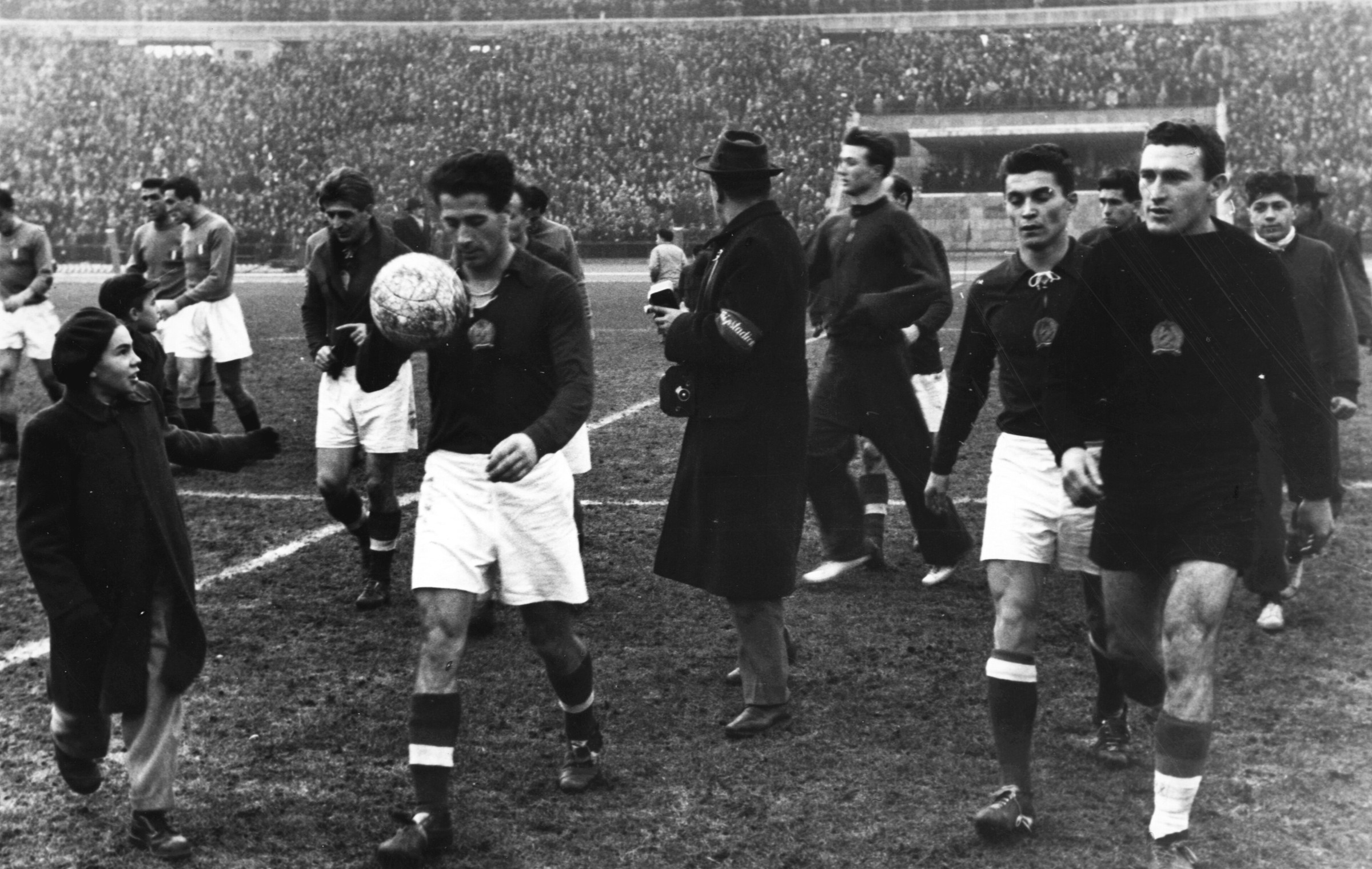
Bozsik was the Mighty Magyars’ passing hinge. Nándor Hidegkuti’s movement and Ferenc Puskás’s finishing depended on someone seeing the next angle from deeper territory. Bozsik did that while tackling, covering the right side and joining attacks. He became the first Hungarian man to reach 100 caps and finished with 101, including the 1952 Olympic title and 1954 World Cup final.
His club career stayed with Honvéd, limiting direct evidence against western European club champions after Hungary’s political rupture. International matches provide the answer: wins over England in 1953 and 1954 showed that his quick circulation could dismantle established marking schemes. Bozsik was not a dribbler who dominated highlights. He organised the relationships that made a revolutionary team function.
The 1954 final also supplies the uncomfortable evidence. West Germany crowded Hungary’s central routes and Bozsik could not restore the clean rhythm of earlier rounds. That defeat matters, but one disrupted match does not outweigh years in which his decisions let a nominal centre-forward roam and two inside forwards attack the resulting gaps.
Rank 20: Sergio Busquets
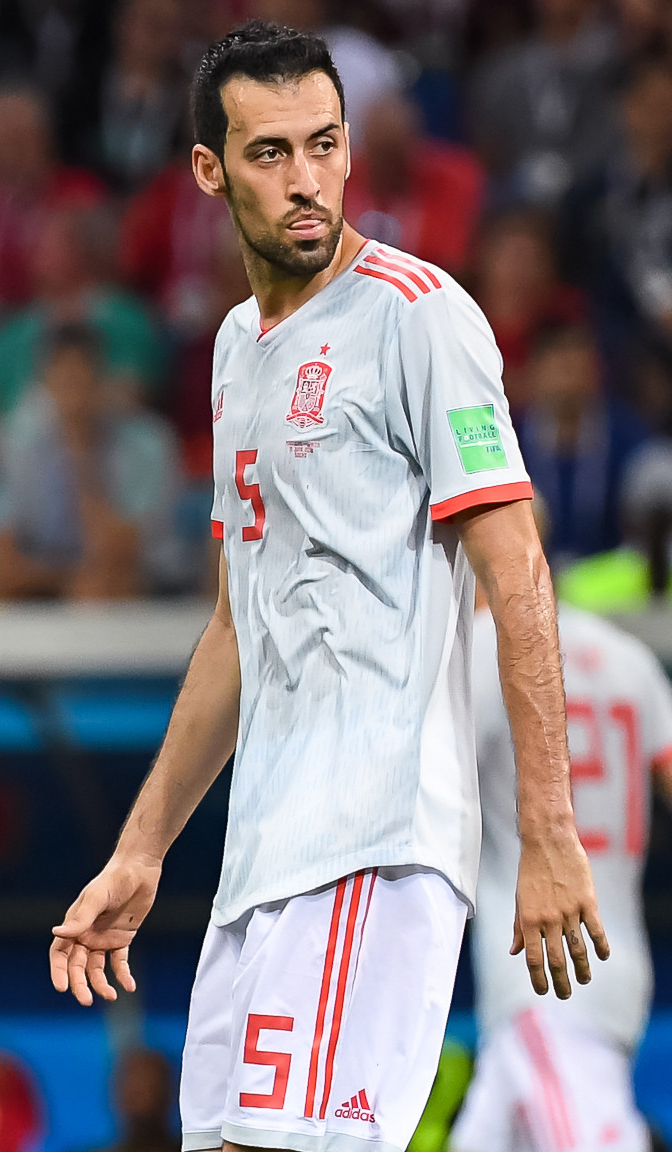 Sergio Busquets in a match for Spain in 2018/ Wikimedia Commons / CC BY-SA 3.0. Source and licence record.
Busquets defended through information. Before receiving, he identified the presser, the free team-mate and the space an opponent would leave. A single touch could then remove pressure without the speed or physical collision normally associated with escape. UEFA records 129 Champions League appearances for Barcelona, evidence of how long this delicate-looking skill survived at the highest club level.
He anchored Spain’s 2010 World Cup and Euro 2012 winners and helped Barcelona win three Champions Leagues. The system enhanced him, but he also made its high full-backs and close central spacing sustainable. Fast counterattacks could expose him once Barcelona’s press deteriorated, a weakness that became clearer late in his career. Busquets ranks below Kroos because the German adapted more visibly across tactical structures, yet no modern holder has made scanning and body orientation more educational.
Rank 19: Toni Kroos
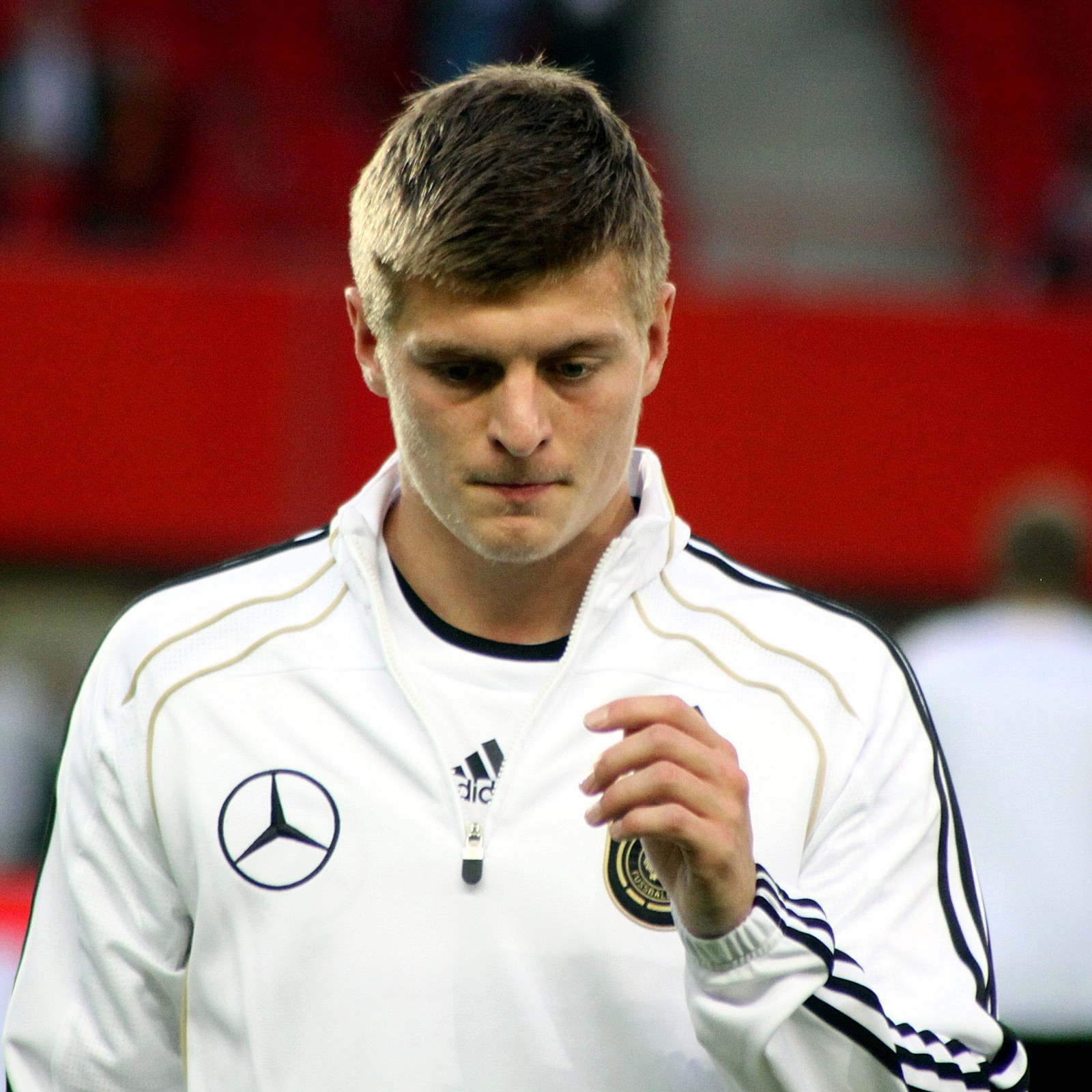
Kroos manipulated pressure by refusing its preferred tempo. He would receive slowly, allow an opponent to commit and then pass through the space created by that commitment. Long diagonals and short combinations came from the same balanced posture, making his intentions difficult to read. His six European Cup or Champions League winner’s medals, one with Bayern and five with Real Madrid, place him in the competition’s smallest circle.
Germany’s 2014 World Cup added an international peak, especially the semi-final against Brazil when Kroos scored twice in 69 seconds and controlled the collapse around him. He offered limited recovery pace and needed mobile partners, but defensive limitations were managed through positioning and retention. Kroos sits below the more individually expressive midfielders ahead because he was most powerful inside already excellent structures. Few have made those structures function with greater precision.
Rank 18: Rivelino
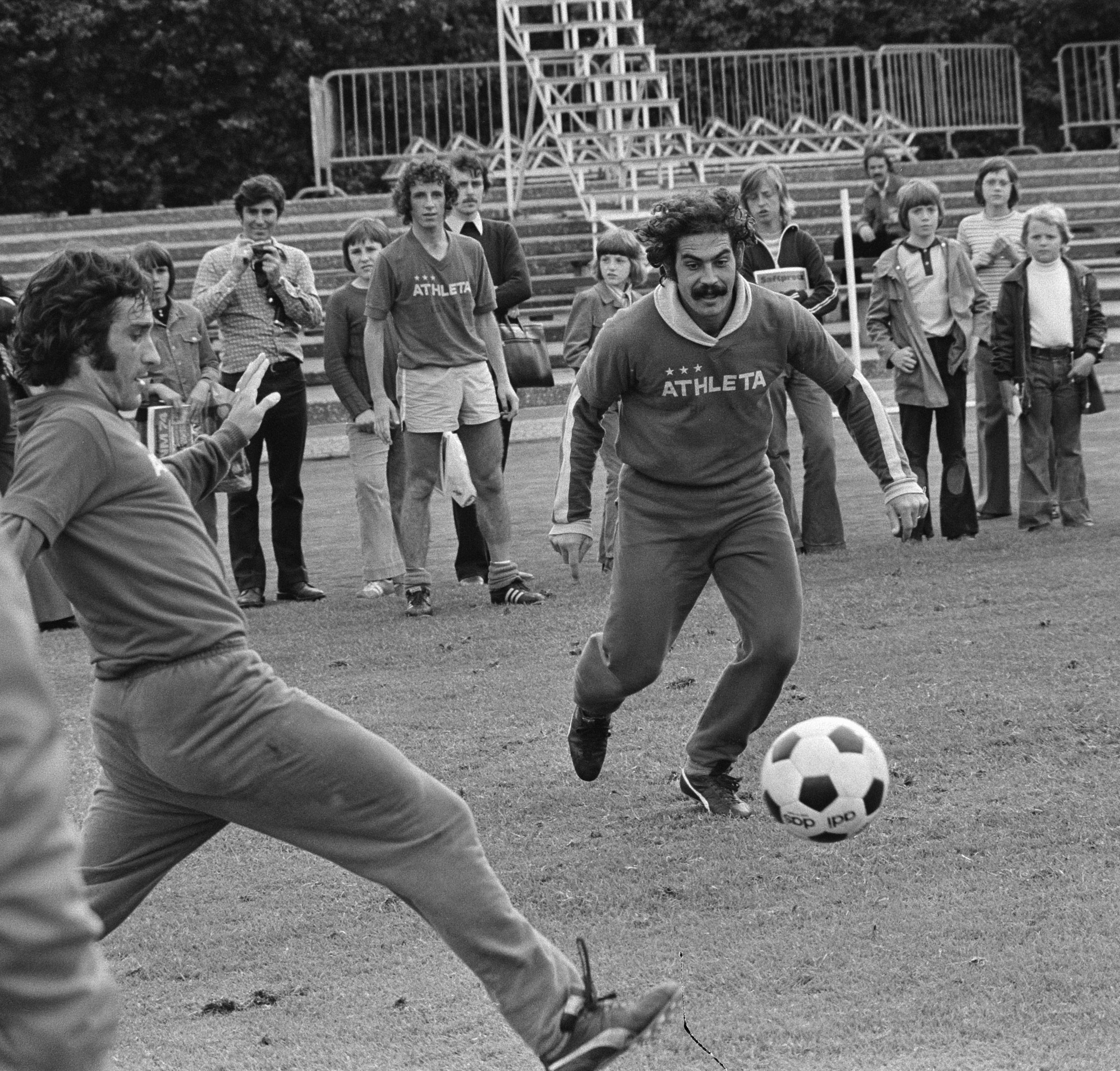
Rivelino’s left foot could bend a free kick, disguise a reverse pass or drive the ball through a defensive line. He scored six World Cup goals across 1970, 1974 and 1978, beginning with a fierce free kick against Czechoslovakia and later becoming Brazil’s principal creator after Pelé retired. The moustache and famous elastico can distract from the volume of difficult possession he accepted.
At Corinthians he became an idol without winning the major state title his performances seemed to warrant; at Fluminense he joined the celebrated Máquina side. Rivelino sometimes held the ball long enough to slow an attack, but that same confidence drew defenders and opened the next action. He ranks below Falcão because the latter offered more consistent two-way organisation. As a creator under physical pressure, Rivelino was the more explosive threat.
Rank 17: Falcão
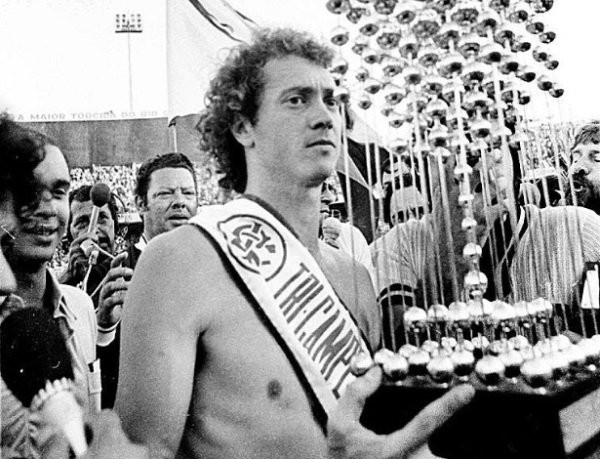
Falcão moved through midfield with an upright ease that disguised how much ground he managed. He passed vertically, tracked runners and arrived in the box late enough to avoid the first line of marking. For Brazil he scored six goals in 34 appearances, including the equaliser against Italy in the 1982 World Cup match that became the team’s tragic endpoint.
His Roma years are crucial. Falcão helped a club outside Italy’s dominant northern powers win the 1983 Serie A title and reach the following season’s European Cup final. He was not simply the imported artist in a defensive league; he learned its pacing and tactical obligations. Knee problems shortened the European prime, and Brazil never converted its admired football into a trophy. The available peak still shows a midfielder capable of directing and completing attacks against severe opposition.
Rank 16: Johan Neeskens
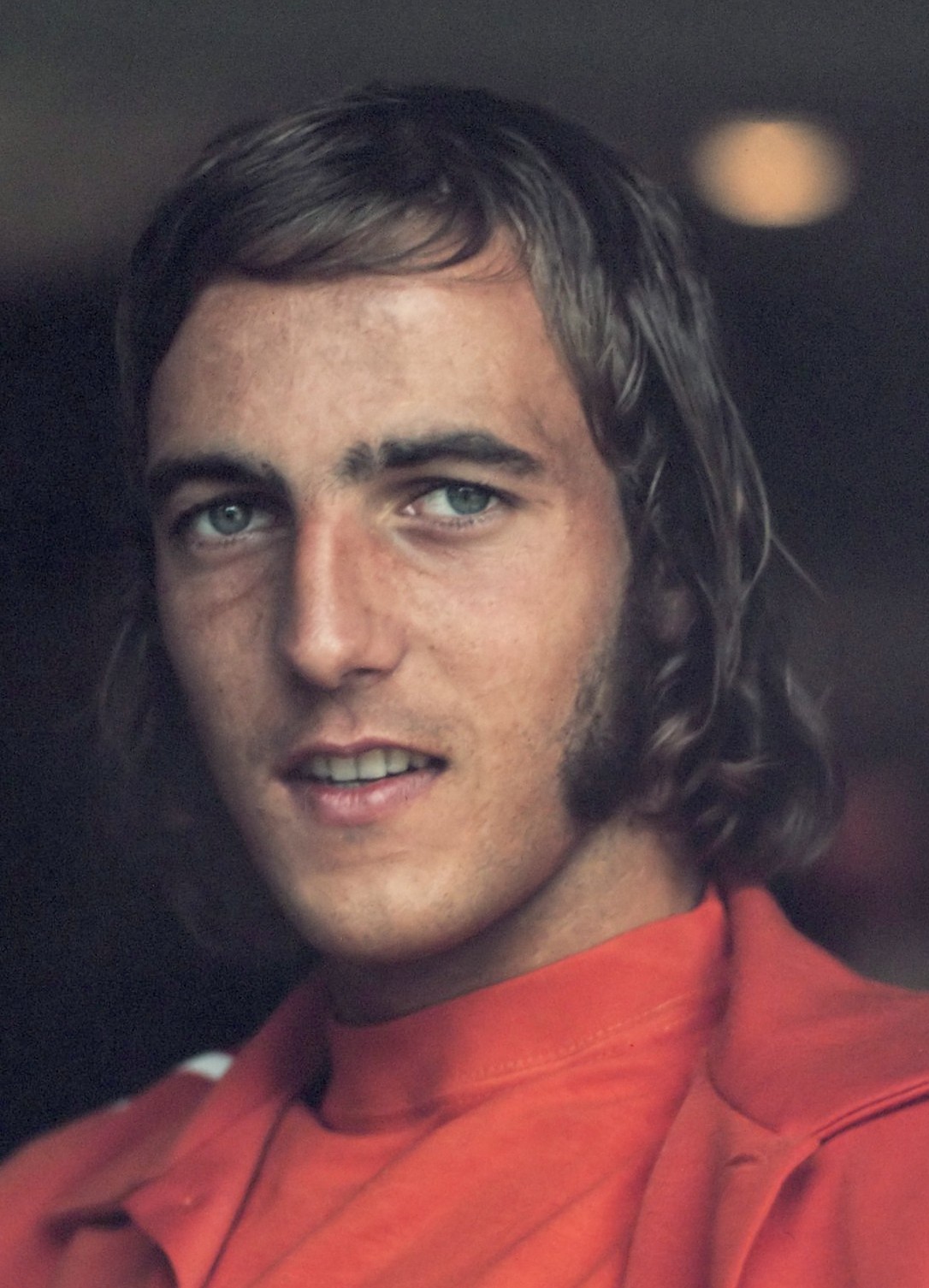
Neeskens supplied the running that made Total Football more than a diagram. When a team-mate vacated a position, he filled it; when possession was lost, he pressed the next receiver; when Johan Cruyff drew defenders away, he attacked the penalty area. He scored 17 goals in 49 Netherlands appearances, including the second-minute penalty in the 1974 World Cup final.
Three consecutive European Cups with Ajax show that his work travelled through repeated high-level campaigns. At Barcelona he became less decorated but no less tactically useful. Neeskens did not dictate from deep like Pirlo or produce the individual invention of Sócrates. His greatness was connective. He allowed adventurous systems to remain coherent, and he did so with technique good enough to finish the moves he had helped create.
That makes Neeskens difficult to extract from Cruyff, but not dependent in a diminishing sense. Ajax and the Netherlands pressed because he recognised the trigger early and could cover the ground after it. A more static midfielder would have left Total Football as a brave idea with too much space behind it.
Rank 15: Frank Rijkaard
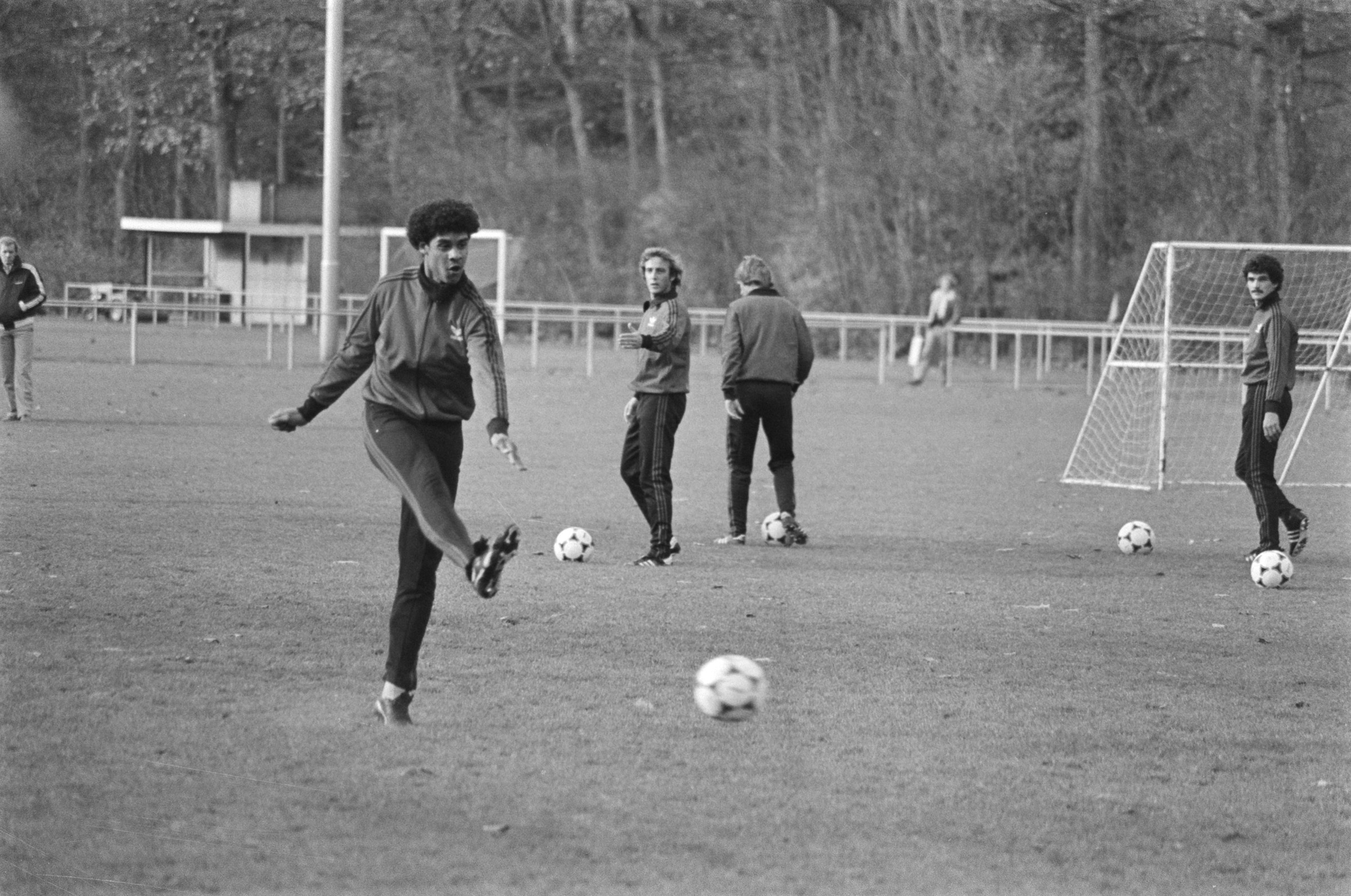
Rijkaard could protect a defence without shrinking the team. He intercepted from a balanced position, carried through the first challenge and passed with enough ambition to keep the attack moving. Milan used him behind Carlo Ancelotti and Roberto Donadoni, while the Netherlands trusted him in both midfield and central defence. His ten goals in 73 internationals included important contributions without defining his value.
Back-to-back European Cups with Milan in 1989 and 1990 contained the clearest evidence. Rijkaard scored the only goal of the 1990 final after stepping into space and exchanging passes with Marco van Basten. The notorious clash with Rudi Völler at the 1990 World Cup showed a loss of control that cannot be omitted. Over the full career, his defensive intelligence and ability to become an extra attacker made him one of football’s most complete balancing players.
Rank 14: Ruud Gullit
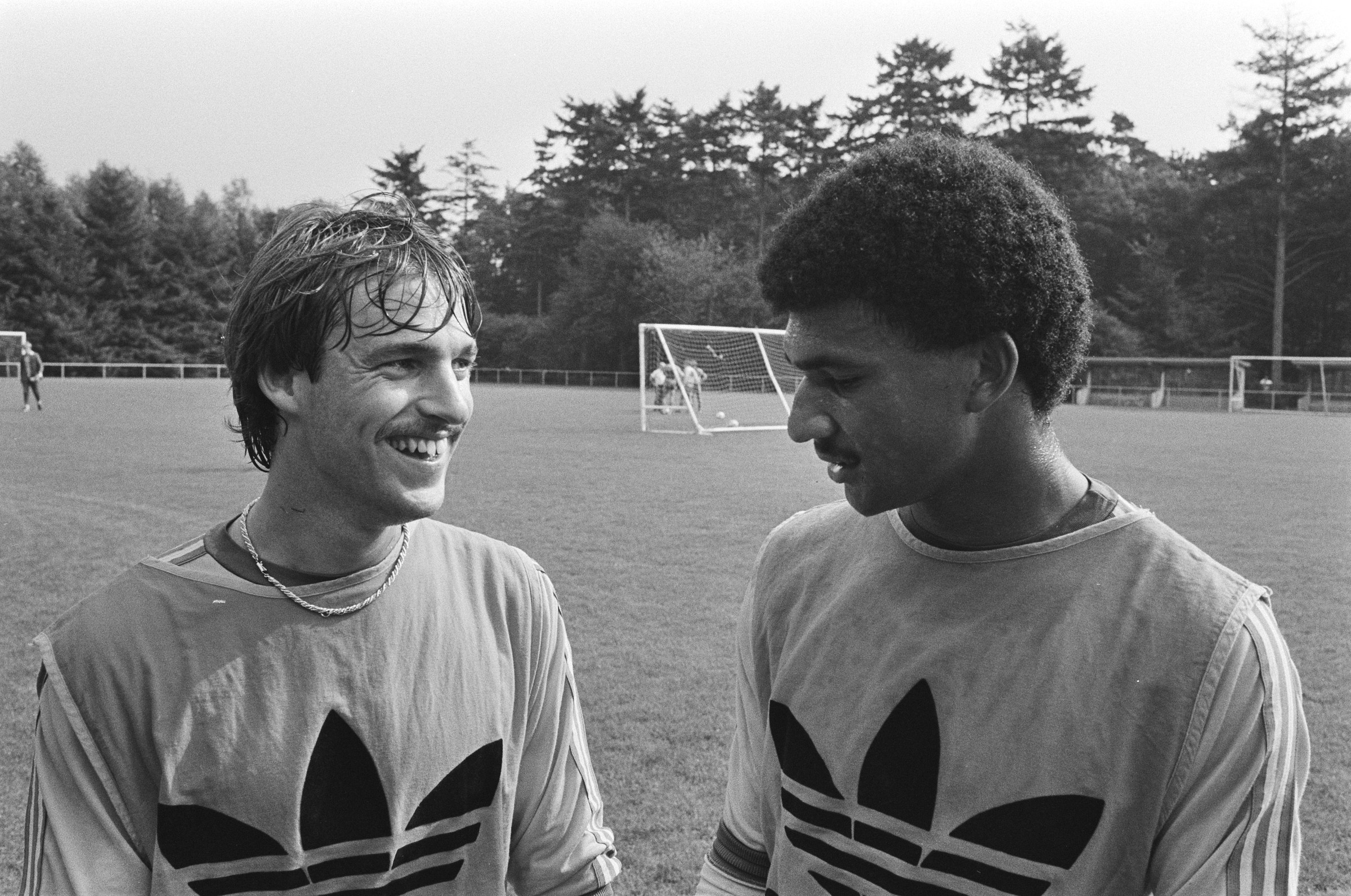
Gullit presented opponents with incompatible problems. A midfielder assigned to mark him could be overpowered in the air; a defender who stepped out could be beaten by touch and acceleration. He scored 17 times in 66 Netherlands appearances and headed the opening goal in the Euro 1988 final, the country’s first major title.
At Milan he moved between attacking midfield, the wing and the forward line within Arrigo Sacchi’s compressed system. The 1987 Ballon d’Or recognised a peak that was both athletic and highly technical. Injuries prevented the uninterrupted prime enjoyed by the top ten, and his positional range can make it harder to isolate a specifically midfield case. Gullit ranks here because the versatility was not vagueness. He understood each assignment and possessed the tools to dominate it.
The 1989 European Cup final showed the value of that range. Operating high against Steaua București, Gullit scored twice while still contributing to Milan’s pressure from the front. He could be the team’s largest physical target and one of its quickest combination players in the same phase, an unusual burden for any midfielder.
Rank 13: Andrea Pirlo
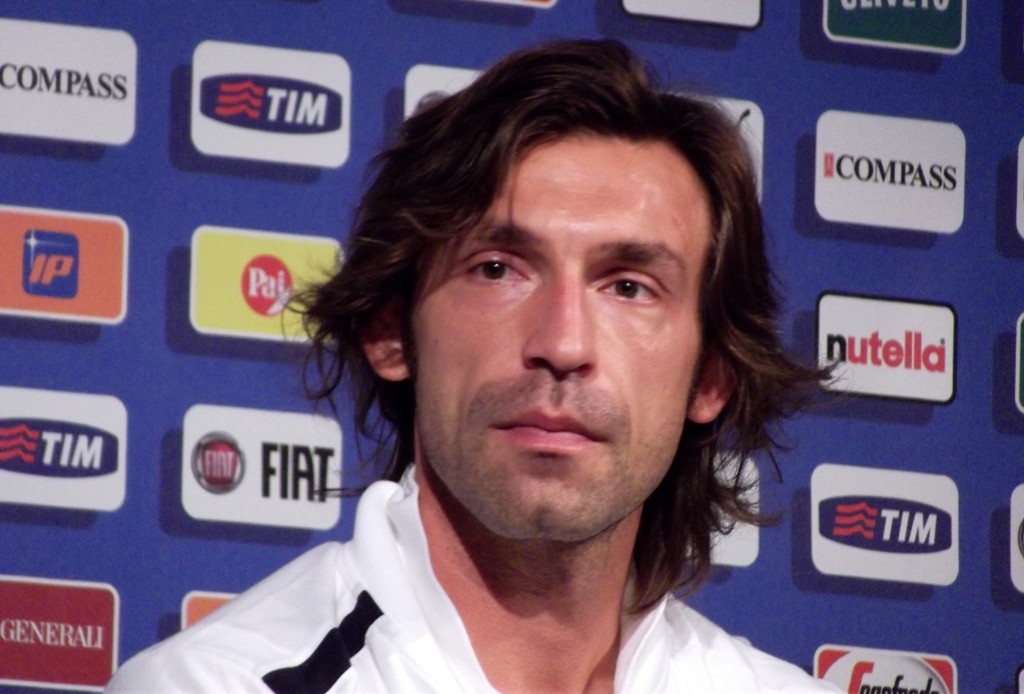
Pirlo’s move from attacking midfield to the base of the team changed his career and encouraged a generation of imitations. He received in front of the centre-backs, drew pressure with an almost provocative calm and then passed beyond several opponents. His 116 Italy caps included the 2006 World Cup, where he scored in the semi-final shoot-out and was named man of the match in the final.
Two Champions Leagues with Milan and four straight Serie A titles at Juventus demonstrate that the method survived different partners and managers. Pirlo required runners around him and could be targeted when opponents reached him at speed. That dependency keeps him below more physically self-sufficient creators. It does not reduce the quality of his solution: he made distance passing, set pieces and tempo control part of one coherent role.
Rank 12: Sócrates
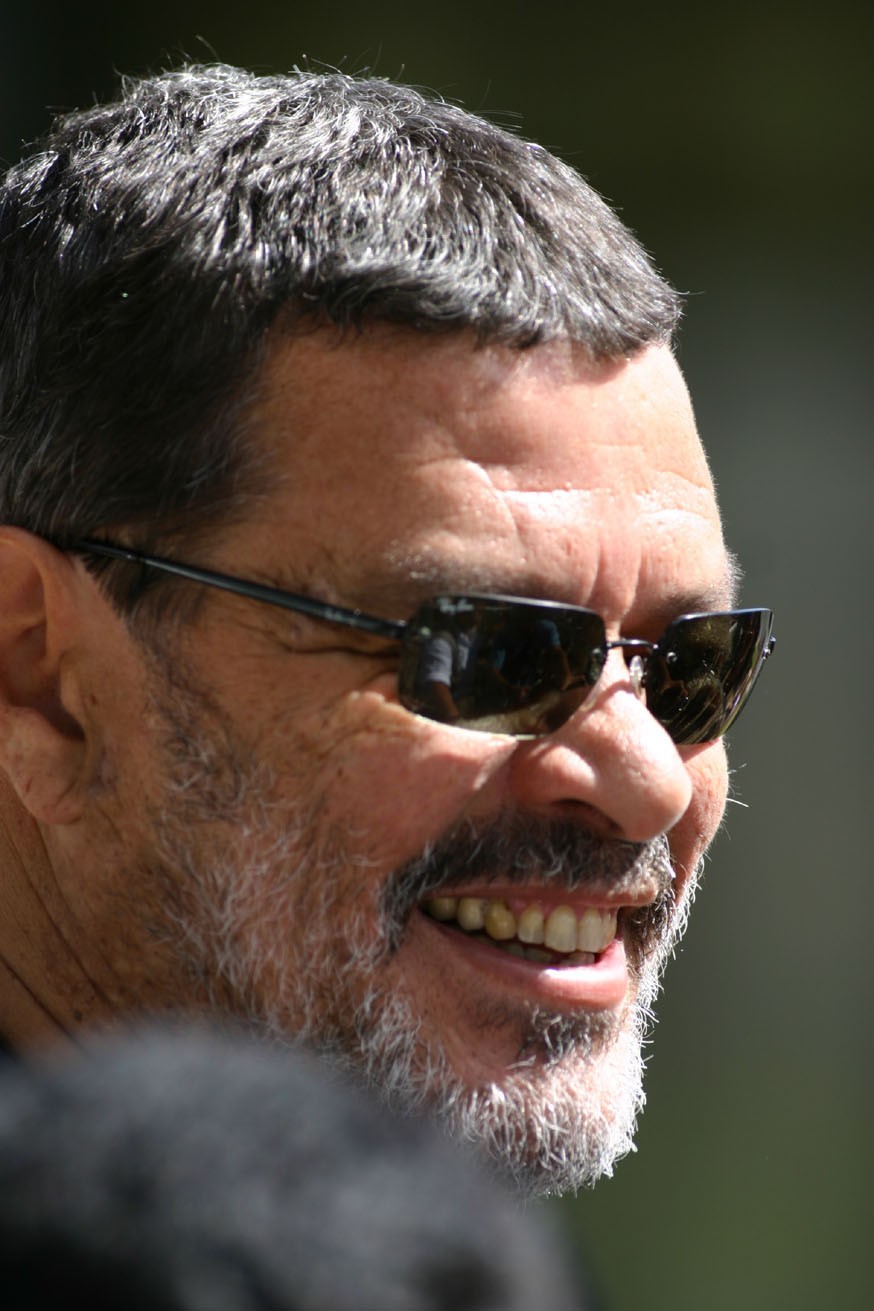
Sócrates played one-touch passes with the back of his heel because the geometry sometimes demanded it, not because he was performing a trick. At 1.92 metres he could protect the ball, see over pressure and then arrive as a scorer. Twenty-two goals in 60 Brazil appearances reveal how directly his invention threatened the penalty area.
He captained the 1982 World Cup side and scored against the Soviet Union and Italy, but Brazil’s failure against Italy remains a legitimate limit on the tournament case. At Corinthians his leadership extended into the Democracia Corinthiana movement, although political significance should not be converted into football ranking points. Sócrates sits just outside the top ten because his club career lacked the strongest European test and his physical conditioning could fluctuate. His best football had a logic and personality no other midfielder reproduced.
Brazil’s 1982 structure placed him behind Zico and close to Falcão, where his first-time play could accelerate attacks without an orthodox winger. Fiorentina never found an equally natural setting, and the short Italian spell exposes the question around his club portability. His place rests on a remarkable international and Corinthians peak, not on reputation alone.
Rank 11: Gianni Rivera
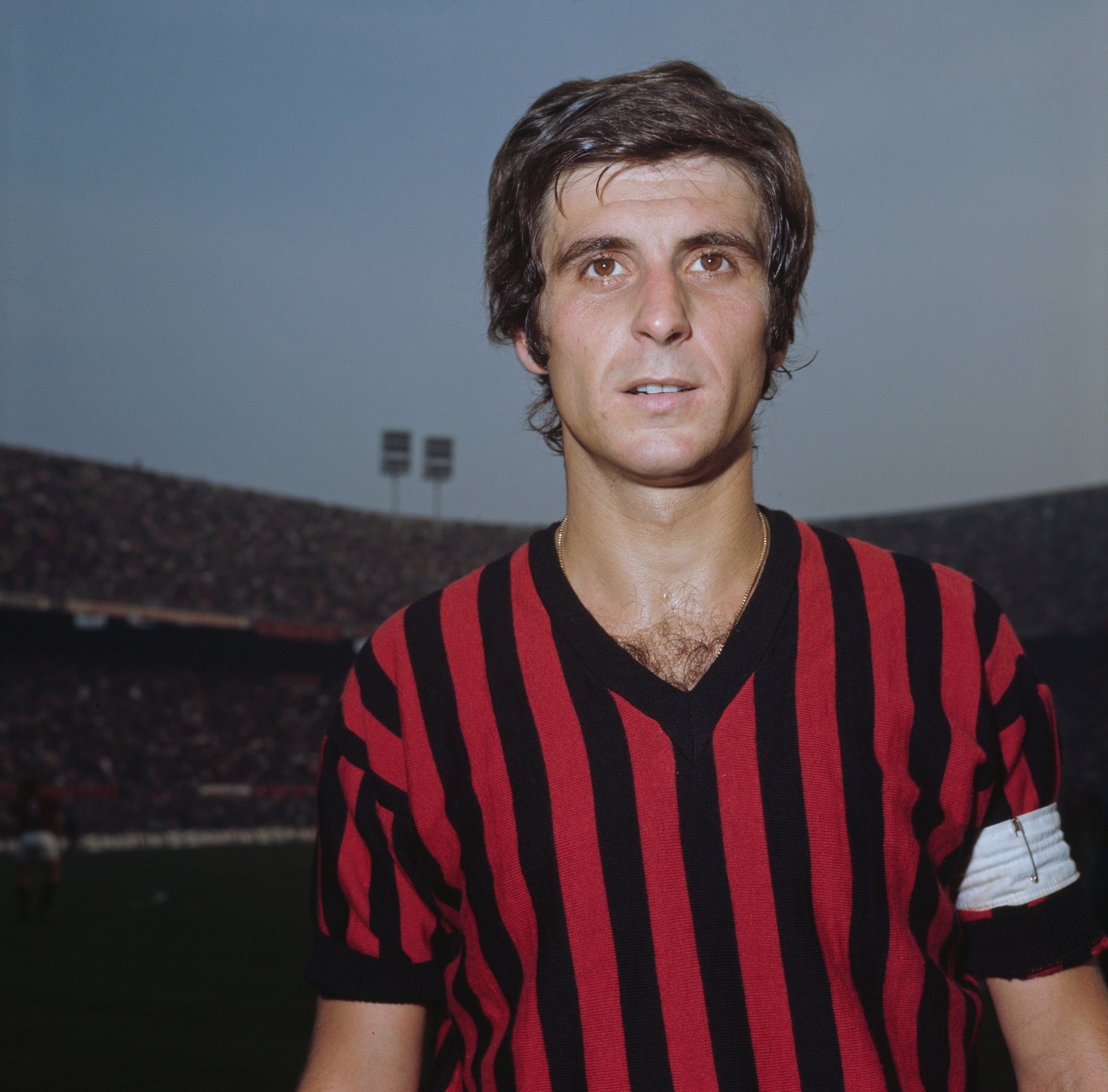
Rivera found spaces that appeared too slight to support an attack. A shoulder movement could change the defender’s line; a short pass could release a runner before the crowd understood the opening. In 60 Italy caps he scored 14 goals, including the extra-time winner against West Germany in the 1970 World Cup semi-final.
With Milan he won two European Cups and the 1969 Ballon d’Or. Italy’s staff famously rotated him with Sandro Mazzola in the 1970 final, a compromise that reduced both men and left Rivera only a few minutes against Brazil. His slight frame required team structures that could win the initial duel, but once possession reached him he created high-value actions with remarkable economy. Rivera enters the top ten as a playmaker whose intelligence repeatedly survived football designed to deny space.
His club work supplied the larger sample. Rivera could spend long stretches moving a marker by a few metres, then use the created lane with one touch. That patience separates him from highlight-oriented number tens, while his limited defensive range explains why Italy sometimes treated him as a luxury to be rationed.
Rank 10: Luis Suárez Miramontes
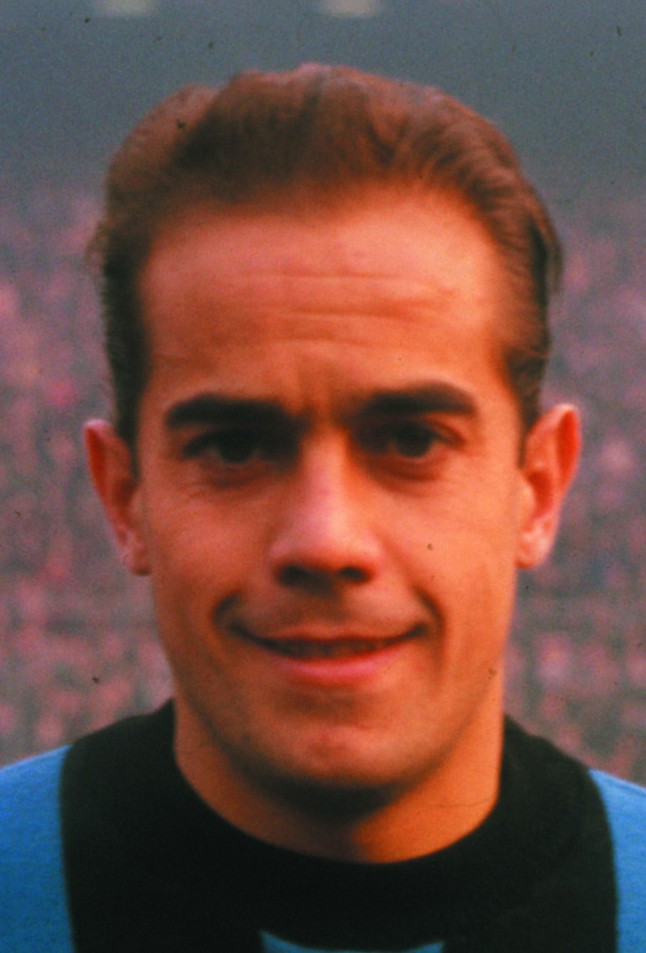
Suárez began as an advanced creator in Barcelona’s fluid attack and became a deeper organiser in Helenio Herrera’s Inter. The shift reveals the scale of his understanding. He could carry and combine near goal, then later dictate through long passing and controlled risk. In 1960 he became the first Spanish-born player to win the Ballon d’Or.
His 32 Spain caps produced 14 goals and the 1964 European Championship. At Inter he won consecutive European Cups in 1964 and 1965, supplying the passing range that moved catenaccio from recovery into counterattack. Because much of the surviving popular image centres on others, Suárez can be reduced to an honours list. The tactical evidence is stronger: two great teams asked him to solve opposite midfield problems, and he became essential to both.
Herrera’s Inter did not ask Suárez to abandon invention. It asked him to deliver it earlier, often from behind the first pressure rather than beside the forwards. That change is central to his position here: the Ballon d’Or attacker became a European Cup-winning organiser without losing the passing aggression that had made him famous.
Rank 9: Bobby Charlton
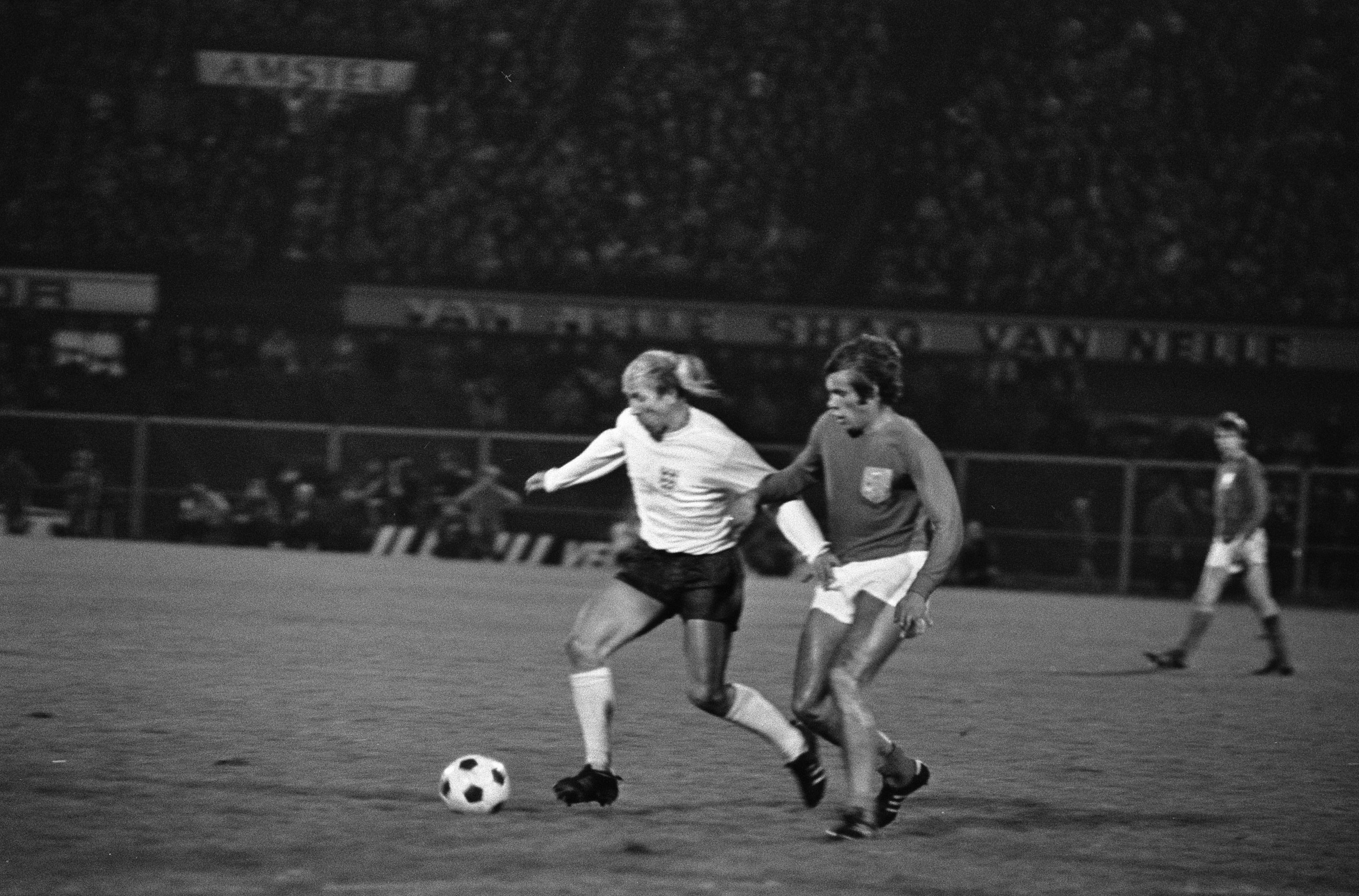
Charlton could advance the ball without waiting for the structure ahead of him. His stride carried him away from markers, and his shooting forced defenders to close distances they would rather protect. He scored 49 times in 106 England appearances, remaining the national record holder for decades despite playing much of his career behind the centre-forward.
The 1966 World Cup brought two semi-final goals against Portugal and the Ballon d’Or. Two years later he scored twice as Manchester United won the European Cup, completing the club’s recovery from Munich for one of the survivors of the crash. Charlton’s passing was less controlling than Didi’s and he did not dominate small spaces like the leading Spanish trio. His claim is instead built on range, goals, responsibility and the ability to drive a team through emotionally and tactically demanding matches.
Rank 8: Didi
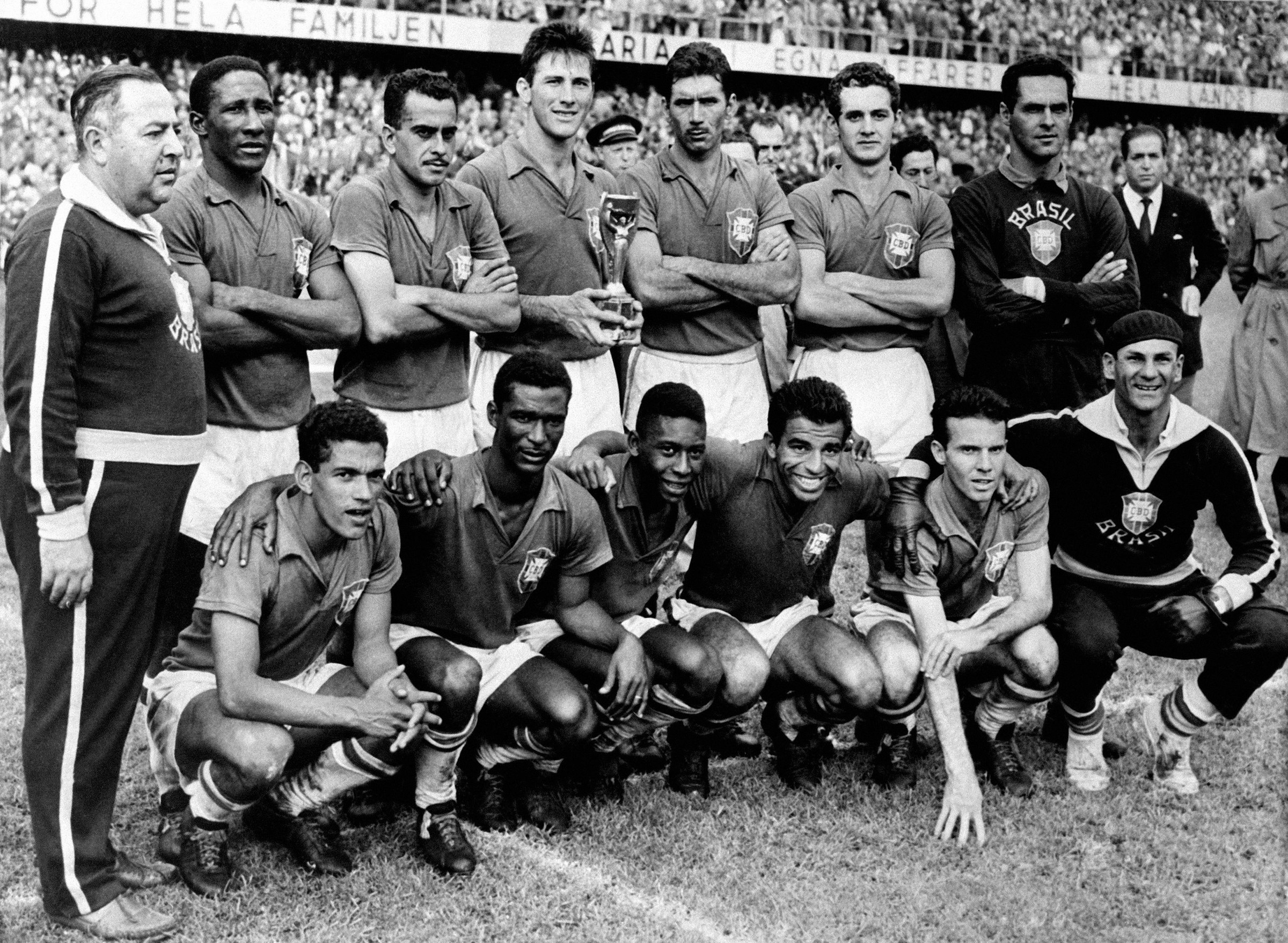
Didi decided how quickly Brazil should use its talent. His long passes changed the side of attack, his short combinations kept possession from becoming hurried and the folha seca free kick gave goalkeepers a flight they struggled to read. He scored 20 goals in 68 internationals and directed the 1958 and 1962 World Cup winners.
FIFA’s retrospective Golden Ball for 1958 reflects his command of a tournament in which Pelé and Garrincha supplied the most famous images. The Real Madrid move failed because the team already revolved around Alfredo Di Stéfano, an instructive limit: Didi needed recognised authority over the ball. With Brazil and Botafogo he had it, and the result was football of unusual order and imagination. He ranks above Charlton because the central orchestration was more complete.
The 1958 semi-final against France is a useful counter to the idea that he merely served greater attackers. Didi managed the middle of a match that briefly threatened to become chaotic, repeatedly moving possession away from pressure before Brazil’s forwards broke it open. His calm created the platform on which their speed became decisive.
Rank 7: Luka Modrić
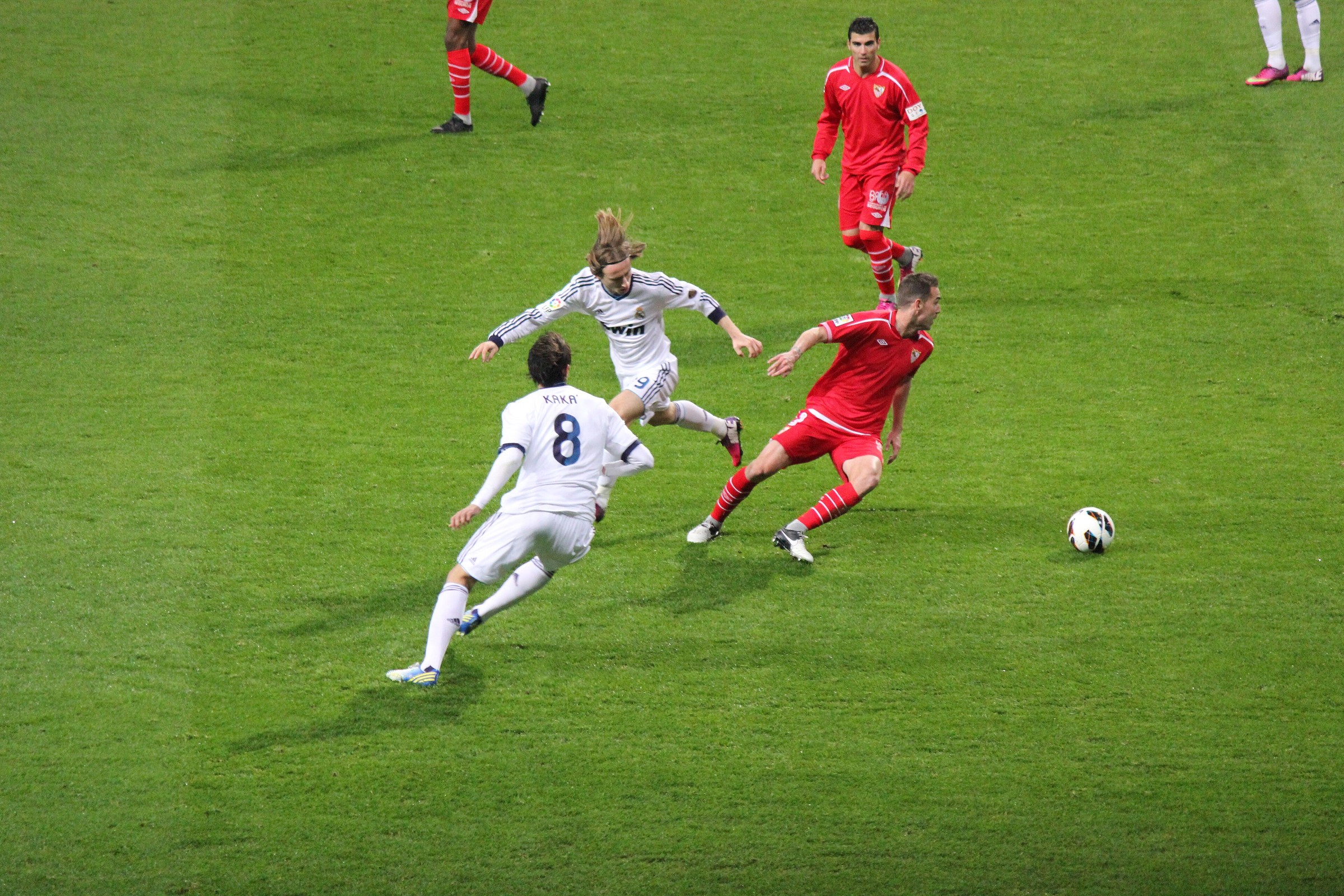
Modrić’s outside-of-the-foot pass is memorable, but his real distinction is the sequence before it. He turns away from pressure, carries the ball into a new lane and waits until the receiver gains an advantage. That work allowed Real Madrid to survive matches in which control arrived only in fragments. Six Champions League titles place him level with the competition’s record-winning players.
Croatia’s 2018 World Cup final and 2022 third place transform a brilliant club career into a national achievement of enormous proportion. The 2018 Golden Ball recognised 694 tournament minutes in which he accepted creative and defensive work. Modrić is not a prolific scorer and could be overpowered when isolated, but he continually escaped attempts to isolate him. Longevity into his forties moved him above Didi: different positions, different eras, similarly complete authority.
Several Madrid comebacks reveal why the medals need interpretation. Modrić often received during the unstable period before control returned, taking the ball on the outside of a boot or carrying across an opponent’s pressing line. He did not dominate every minute. He repeatedly repaired the minutes in which elite knockout ties were close to escaping.
Rank 6: Zico
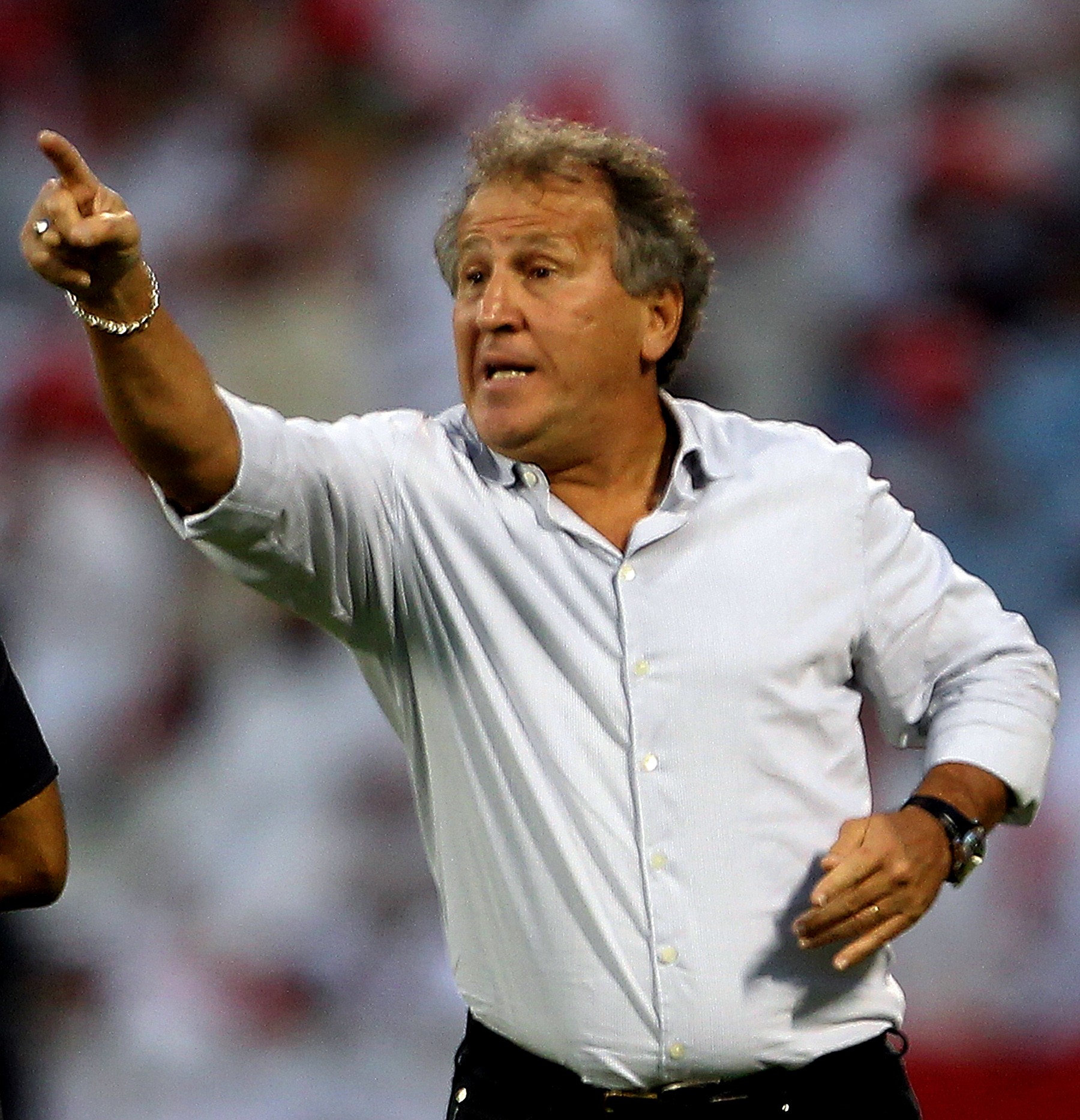
Zico produced like a striker while creating like a number ten. His 48 goals in 71 Brazil appearances came from timed runs, combinations and some of the finest direct free kicks in the game’s history. At Flamengo he scored 508 recognised first-team goals, won the Copa Libertadores and was central to the 1981 Intercontinental Cup victory over Liverpool.
The World Cup is the missing resolution. Brazil’s 1982 side fell to Italy and Zico’s missed penalty after coming off the bench against France in 1986 preceded another elimination. Neither moment erases the football around it, but Platini’s Euro 1984 and the top three’s decisive tournament actions create separation. Zico remains sixth because his peak joined passing, manipulation and repeatable scoring at a level few midfielders have approached.
His Udinese seasons matter to the comparison. Zico entered a tactically severe league without the surrounding superiority Flamengo could provide and still created and scored at an elite rate. The Italian evidence strengthens his portability, while the lack of a World Cup final prevents a small sample from being rewritten as destiny.
Rank 5: Lothar Matthäus
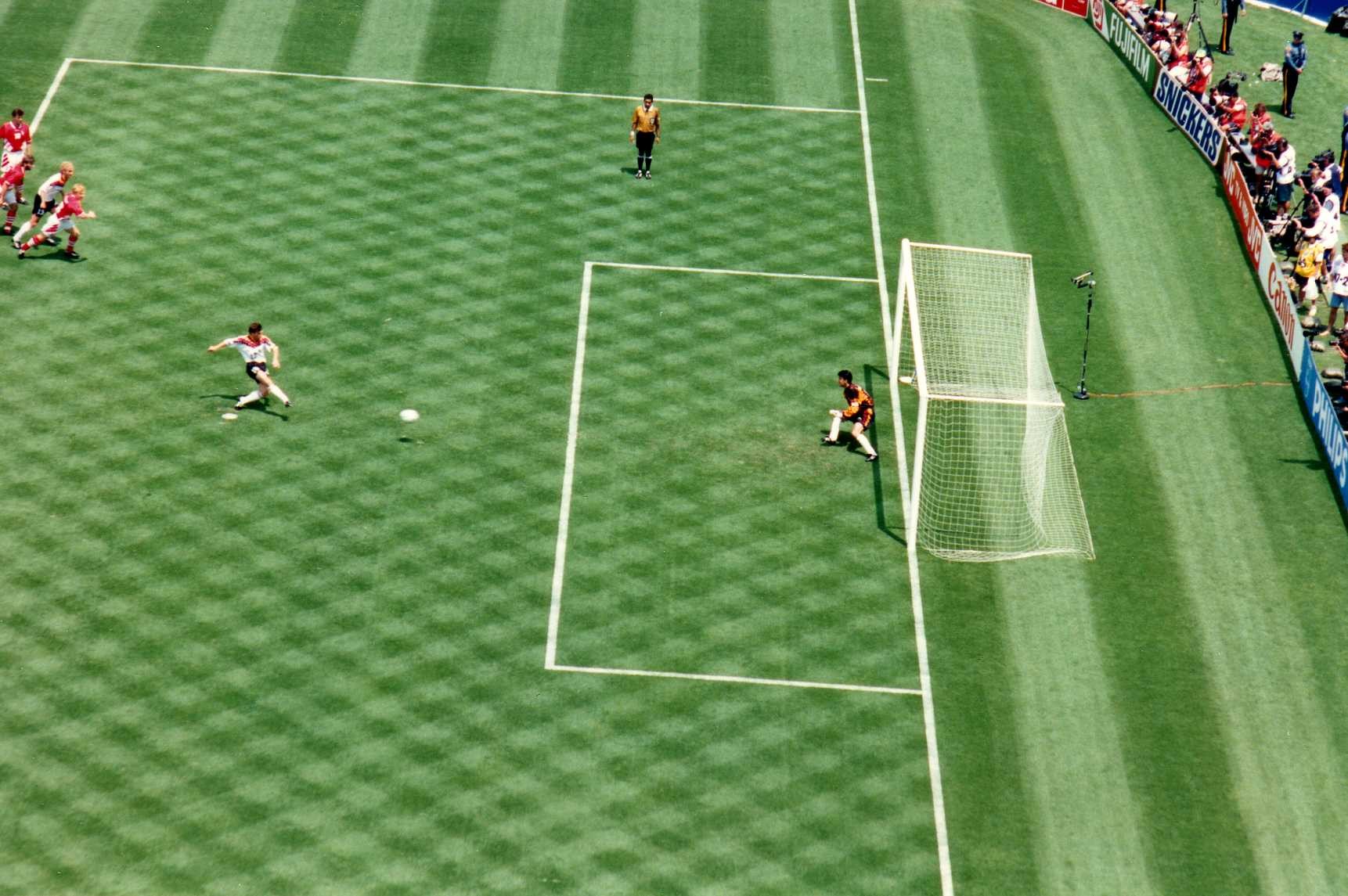
Matthäus could run a midfield through pressure, then finish the attack himself. His low centre of gravity supported powerful carries, his right foot threatened from distance and his recovery speed allowed a team to commit numbers ahead of the ball. A record 25 World Cup appearances, later equalled and surpassed, covered five tournaments and culminated in his captaincy of the 1990 champions.
At Inter he drove Giovanni Trapattoni’s side to the 1989 Serie A title with a blend of 1980s dynamism and precise passing. He won the 1990 Ballon d’Or, then adapted into an elite sweeper as age reduced his range. The later defensive phase does not weaken the midfield case; it proves how deeply he read the game. Matthäus enters above Zico because his peak joined creation, ball-winning and leadership while producing the stronger international outcome. Platini’s concentrated command of Euro 1984 keeps the Frenchman narrowly ahead.
Rank 4: Michel Platini
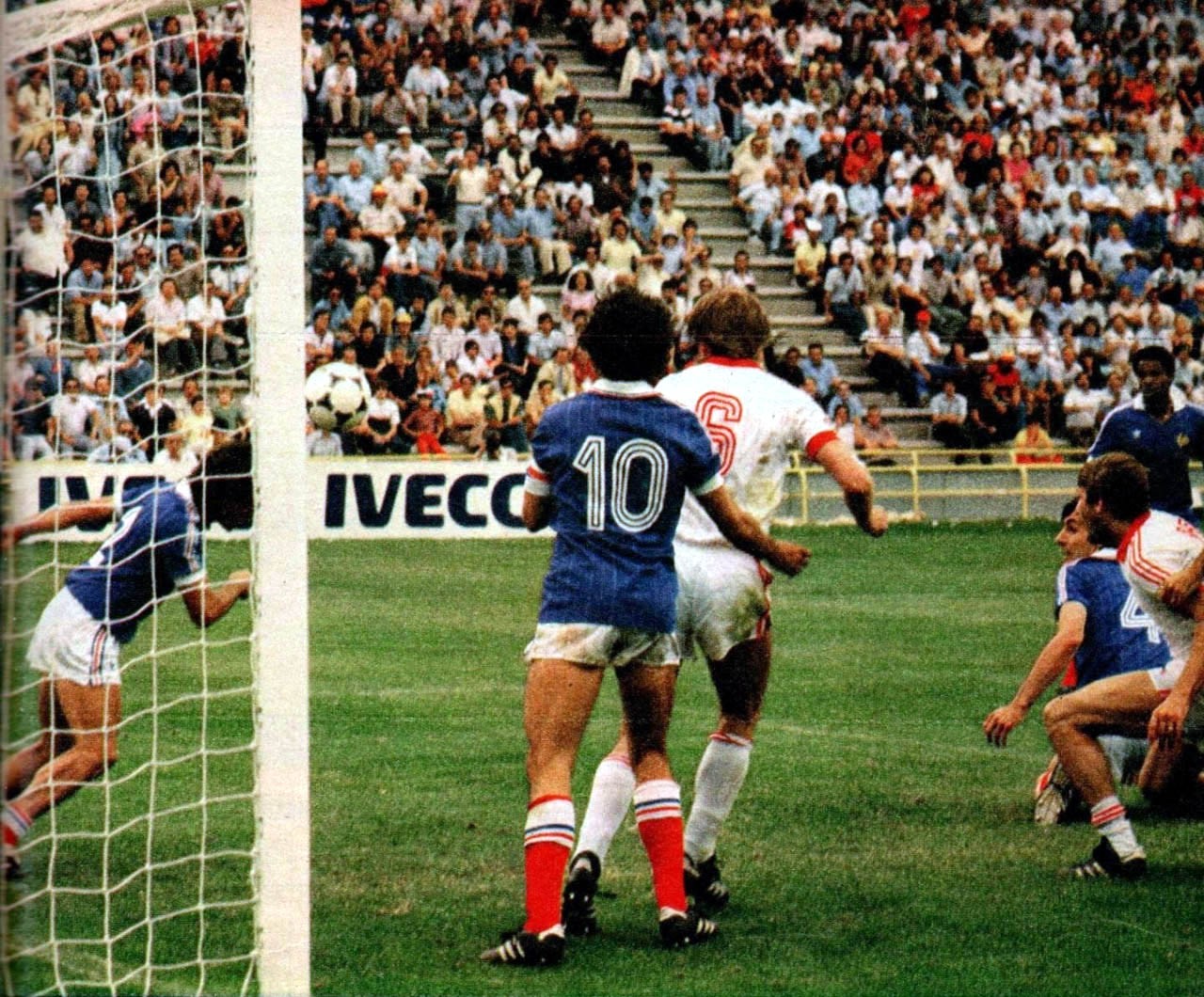
Platini occupied the space a defence was about to leave. He was not a dribbler who needed repeated touches; combinations, late runs and first-time finishes moved him through the team. At Euro 1984 he scored nine goals in five matches, including perfect hat-tricks against Belgium and Yugoslavia, to give France its first major title.
Three consecutive Ballons d’Or from 1983 to 1985 and the 1985 European Cup with Juventus mark a concentrated period of dominance. The Heysel disaster makes that final impossible to celebrate in ordinary terms, and Platini’s winning penalty belongs inside a human catastrophe. His later administrative fall has no bearing on the football ranking. On the pitch, he offered a rare union of playmaking responsibility and tournament-winning production.
Platini’s movement also complicates the midfielder label usefully. He could begin a move near the centre circle and finish it between the posts because his timing, not raw pace, defeated the last line. France built Euro 1984 around that repeated journey. The nine goals were the result of orchestration and arrival working together.
Rank 3: Andrés Iniesta
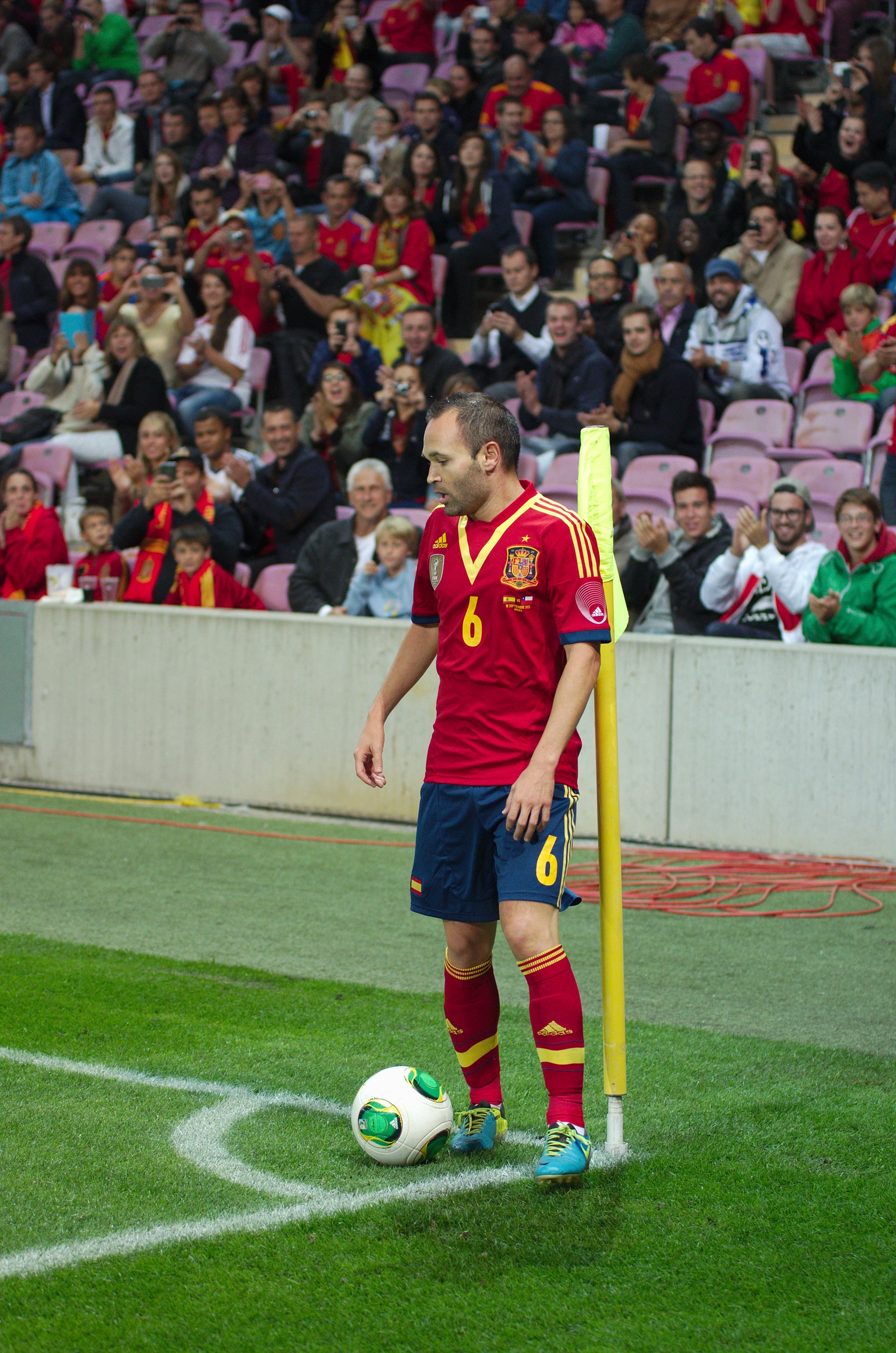
Iniesta did not beat pressure by moving the ball away from himself immediately. He invited the challenge, shifted his balance and carried through the space the opponent had abandoned. That skill was especially valuable near the touchline or penalty area, where one escape could break an entire defensive scheme. UEFA records 130 Champions League appearances for Barcelona and four winner’s medals.
His goals were infrequent but historically exact: the stoppage-time strike at Stamford Bridge in 2009 and the extra-time winner in the 2010 World Cup final. He was also player of the tournament at Euro 2012. Iniesta sits below Zidane because the Frenchman’s individual scoring and aerial threat created a broader peak, and below Xavi because the ranking gives sustained structural control a slight edge. In the most compressed moments, no midfielder here was calmer.
Iniesta’s 2010 semi-final against Germany offers the quieter evidence behind the famous final goal. He repeatedly received near the left touchline, drew pressure and returned the ball inside at a better angle, helping Spain pin an opponent that wanted to counter. His greatness included decisive actions and the less visible work that made those actions possible.
Rank 2: Zinedine Zidane
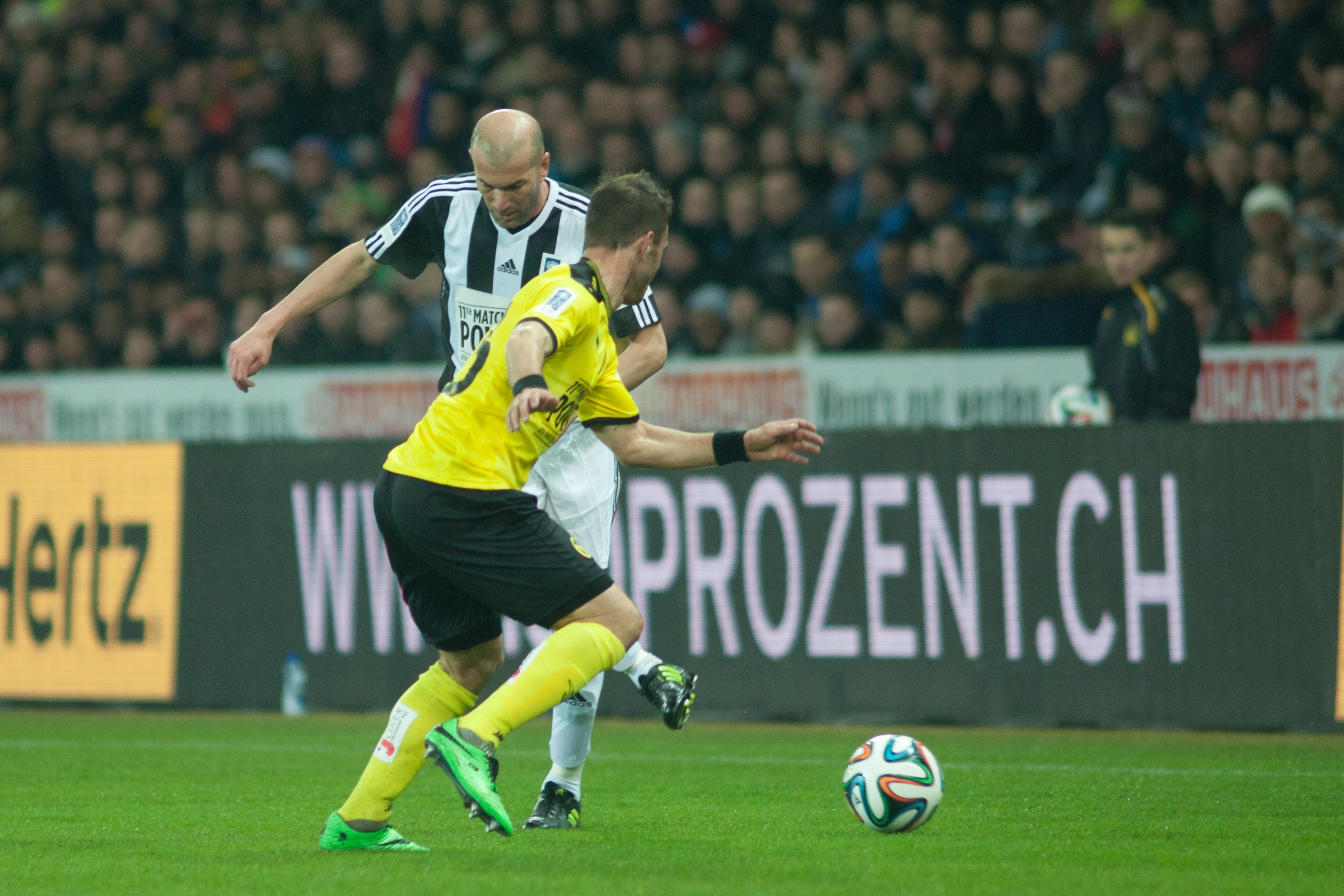
Zidane’s first touch did more than secure the ball. It changed the direction of the contest, placing his body between pressure and the next action. He could then carry, combine or use his height to attack crosses. Thirty-one goals in 108 France appearances include two headers in the 1998 World Cup final and the penalty that opened the 2006 final.
The 2002 Champions League volley gave Real Madrid a winning goal of almost unreasonable technique. His career also contains absences, red cards and quieter league stretches, ending with the headbutt on Marco Materazzi in Berlin. Those contradictions are part of the evaluation. Zidane ranks second because his command became greatest when the stage did, across three World Cup campaigns and two European Championships. Xavi takes first through a more continuous influence over how matches were organised.
Rank 1: Xavi
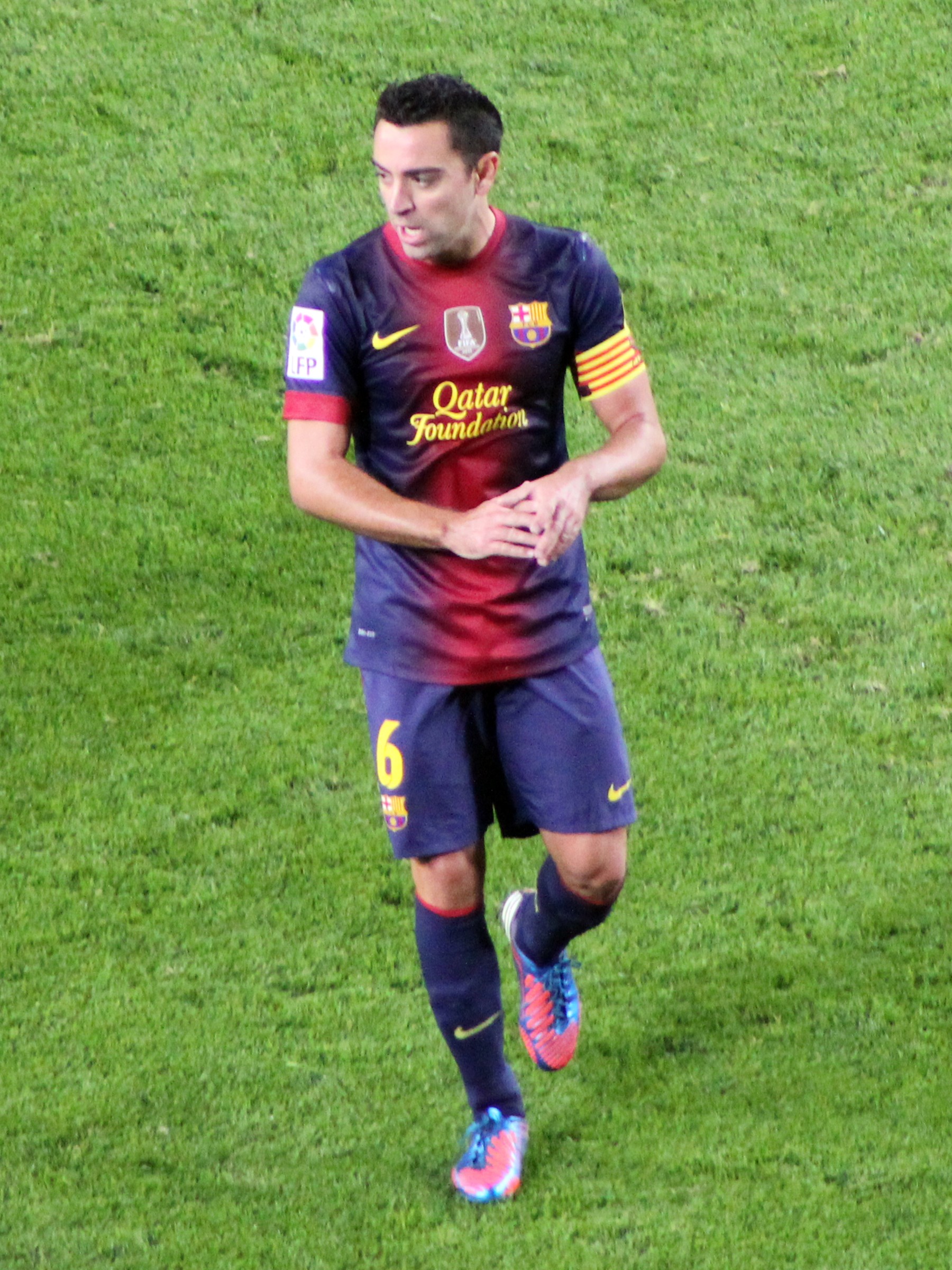
Xavi controlled matches by controlling the next receiver’s options. He scanned before the pass, positioned himself to receive the return and used small changes of pace to move an opponent rather than simply the ball. Barcelona’s positional game and Spain’s international version were not his inventions alone, but both became fully coherent when he was the central reference.
His 151 Champions League appearances for Barcelona brought four titles. For Spain he started every knockout match of the 2010 World Cup and was player of the tournament at Euro 2008, connecting the first two trophies of a three-tournament sequence. Critics can point to limited shooting, a dependence on collective spacing and a later decline once opponents pressed differently. Yet the dependence ran both ways: team-mates found their positions because Xavi made those relationships readable. He is first not for accumulating the most spectacular actions, but for exerting the most exact, sustained and teachable command of midfield itself.
Players closest to inclusion
Roy Keane, Paul Scholes, Juan Román Riquelme, Kaká, Michael Laudrup, Deco, Xabi Alonso, Didier Deschamps, Edgar Davids and Dunga were among the final cuts. Keane and Scholes had top-30 quality, but our selected field offered stronger international responsibility or a more clearly differentiated tactical case.
Why the order remains debatable
A holder cannot be made to compete fairly with a number ten through goals, just as a creator cannot be credited for defensive work he did not perform. Our rankings therefore compare excellence within role before comparing overall influence. Readers who value goals will move Platini and Zico upwards; those who prioritise defensive range may prefer Rijkaard or Vieira. The list’s purpose is to expose those choices through evidence rather than to pretend the midfield has one measurable job.
Control is not possession volume
Xavi and Kroos completed enormous numbers of passes because their teams kept the ball, but their cases do not rest on accumulation. A circulation pass can be useful if it moves an opponent, protects a vulnerable area or prepares the next attack. It can also be harmless. The evaluation asks whether a midfielder changed the team’s options and the opposition’s shape. Didi did so with long switches, Iniesta by carrying through pressure and Busquets through the orientation of a first touch. Those actions cannot be collapsed into one completion percentage.
System dependence runs in both directions
Every midfielder needs relationships. Pirlo needed runners, Makélélé needed creators and Platini needed team-mates who recognised his late movement. Calling that dependence is not automatically criticism. The relevant question is whether the player merely occupied a favourable role or made the role work at a level replacements could not reproduce. Busquets benefited from Barcelona’s spacing, yet that spacing became more secure because he could receive while screened. Modrić benefited from Real Madrid’s talent, yet repeatedly restored control when the planned structure had broken down.
Major matches reveal different kinds of responsibility
Finals supply memorable evidence but not a complete test. Zidane scored in World Cup and Champions League finals; Xavi’s greatest work often came earlier, when his control prevented knockout ties from becoming emergencies. Keane’s famous 1999 semi-final is outside the 30, while Vieira’s international case includes a World Cup final assist. The ranking considers those moments without allowing one evening to erase years of comparative performance.
Historical data changes the burden of proof
Modern players leave passing maps, pressure events and thousands of broadcast minutes. For Bozsik, Varela and Didi, the archive is smaller and the language of contemporary reports is less standardised. They are not marked down for lacking data that was never collected. Their position instead depends on convergence: surviving film, match reports, team function and repeatable achievement. Where that evidence becomes too thin, the ranking stops rather than filling the gap with a precise-looking score.