
Thirty men ranked only by what they did at the finals
Club greatness cannot be smuggled into a World Cup ranking. Alfredo Di Stéfano and George Best are absent because the finals never gave them a stage. Miroslav Klose rises above more gifted all-round forwards because he repeatedly solved this particular tournament. Rodri enters from one exceptional 2026 campaign, but remains below players who shaped several editions.
The evidence is limited to men’s FIFA World Cup final tournaments through 19 July 2026. Qualifying, continental championships and club football are used only to clarify role, never to earn position. Peak tournament performance comes first, followed by decisive knockout influence, sustained production across editions, tactical responsibility, strength of opposition and the reliability of historical evidence. A winner’s medal helps only to the extent that the player helped win it.
Statistics follow FIFA’s current tournament records. Assist totals before modern event collection are used cautiously because retrospective definitions vary. The ranking was completed on 14 August 2026 after Spain’s 2026 title, Argentina’s return to the final and Kylian Mbappé’s new scoring record.
Our rankings separate three kinds of case that are too often mixed together. Fontaine and Rodri reached an exceptional level in one edition. Klose and Cafu accumulated decisive work over four tournaments. Pelé, Maradona and Garrincha combined a defining peak with enough surrounding evidence to show that it was not a stray month. None of those routes is automatically superior. A short peak must be unusually powerful, while longevity earns credit only when later appearances add genuine responsibility rather than a record by attendance.
The World Cup top 30
| Rank | Player | Country | Finals case |
|---|---|---|---|
| 1 | Pelé | Brazil | Three titles and decisive brilliance from 17 to 29 |
| 2 | Lionel Messi | Argentina | A title, two Golden Balls, 21 goals and 23 wins |
| 3 | Diego Maradona | Argentina | The most commanding individual tournament in 1986 |
| 4 | Garrincha | Brazil | Co-star in 1958 and leader after Pelé’s injury in 1962 |
| 5 | Franz Beckenbauer | West Germany | Finalist, third-place finisher and champion across three editions |
| 6 | Kylian Mbappé | France | Twenty-two goals in 22 matches across three deep runs |
| 7 | Ronaldo | Brazil | Fifteen goals and the central redemption story of 2002 |
| 8 | Zinedine Zidane | France | Two finals defined by goals, control and controversy |
| 9 | Lothar Matthäus | West Germany and Germany | Twenty-five appearances and the captaincy of the 1990 champions |
| 10 | Gerd Müller | West Germany | Fourteen goals in 13 matches, including a final winner |
| 11 | Didi | Brazil | Midfield direction for the 1958 and 1962 champions |
| 12 | Jairzinho | Brazil | Scored in every match of the 1970 triumph |
| 13 | Miroslav Klose | Germany | Sixteen goals and four consecutive semi-finals or better |
| 14 | Cafu | Brazil | The only man to play in three consecutive finals |
| 15 | Ferenc Puskás | Hungary | Four goals and the creative force of the 1954 finalists |
| 16 | Johan Cruyff | Netherlands | The organising attacker of the 1974 revolution |
| 17 | Romário | Brazil | Golden Ball and five goals in the 1994 title run |
| 18 | Paolo Rossi | Italy | Six knockout-stage goals that transformed the 1982 tournament |
| 19 | Bobby Moore | England | Defensive command and a vital final assist in 1966 |
| 20 | Gordon Banks | England | Champion in 1966 and author of the tournament’s defining save |
| 21 | Just Fontaine | France | Thirteen goals in six matches in 1958 |
| 22 | Mario Kempes | Argentina | Six goals and two in the 1978 final |
| 23 | Luka Modrić | Croatia | Golden Ball leadership on Croatia’s first final run |
| 24 | Mário Zagallo | Brazil | Tactical intelligence in the 1958 and 1962 title sides |
| 25 | Fabio Cannavaro | Italy | Near-flawless defensive leadership in 2006 |
| 26 | Rodri | Spain | 2026 Golden Ball and control of a champion that conceded once |
| 27 | Grzegorz Lato | Poland | Ten goals across three excellent Polish campaigns |
| 28 | Thomas Müller | Germany | Ten goals, a Golden Boot and a winner’s medal |
| 29 | Dino Zoff | Italy | Captain and last line of the 1982 champions at 40 |
| 30 | Antoine Griezmann | France | Creative and scoring influence across consecutive finals |
Rank 30: Antoine Griezmann
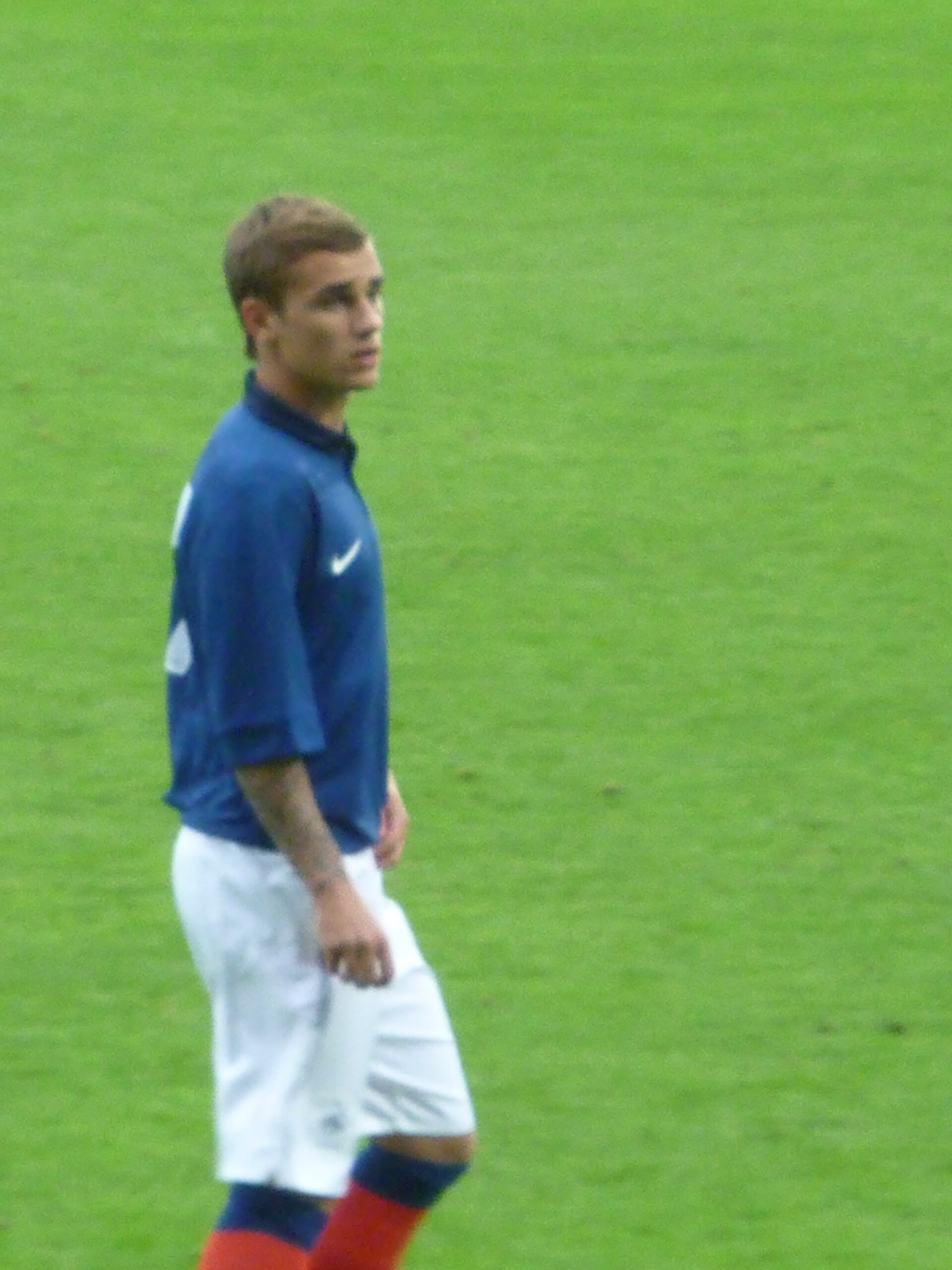
Griezmann changed role across three tournaments. In 2014 he was a young forward learning the level; in 2018 he became France’s set-piece taker and connective attacker; in 2022 he dropped into midfield and created while covering enormous space. His four goals in 2018 included a penalty in the final and earned the Bronze Ball.
The value was not restricted to finishing. France’s conservative shape needed someone to connect recoveries to Kylian Mbappé and Olivier Giroud, and Griezmann repeatedly chose the right first pass. In Qatar he supplied two assists against England before Argentina limited him in the final. He ranks 30 because the tournament body of work is broad and tactically distinct, while the players above produced a more dominant single peak or a decisive title as the team’s central figure.
Rank 29: Dino Zoff
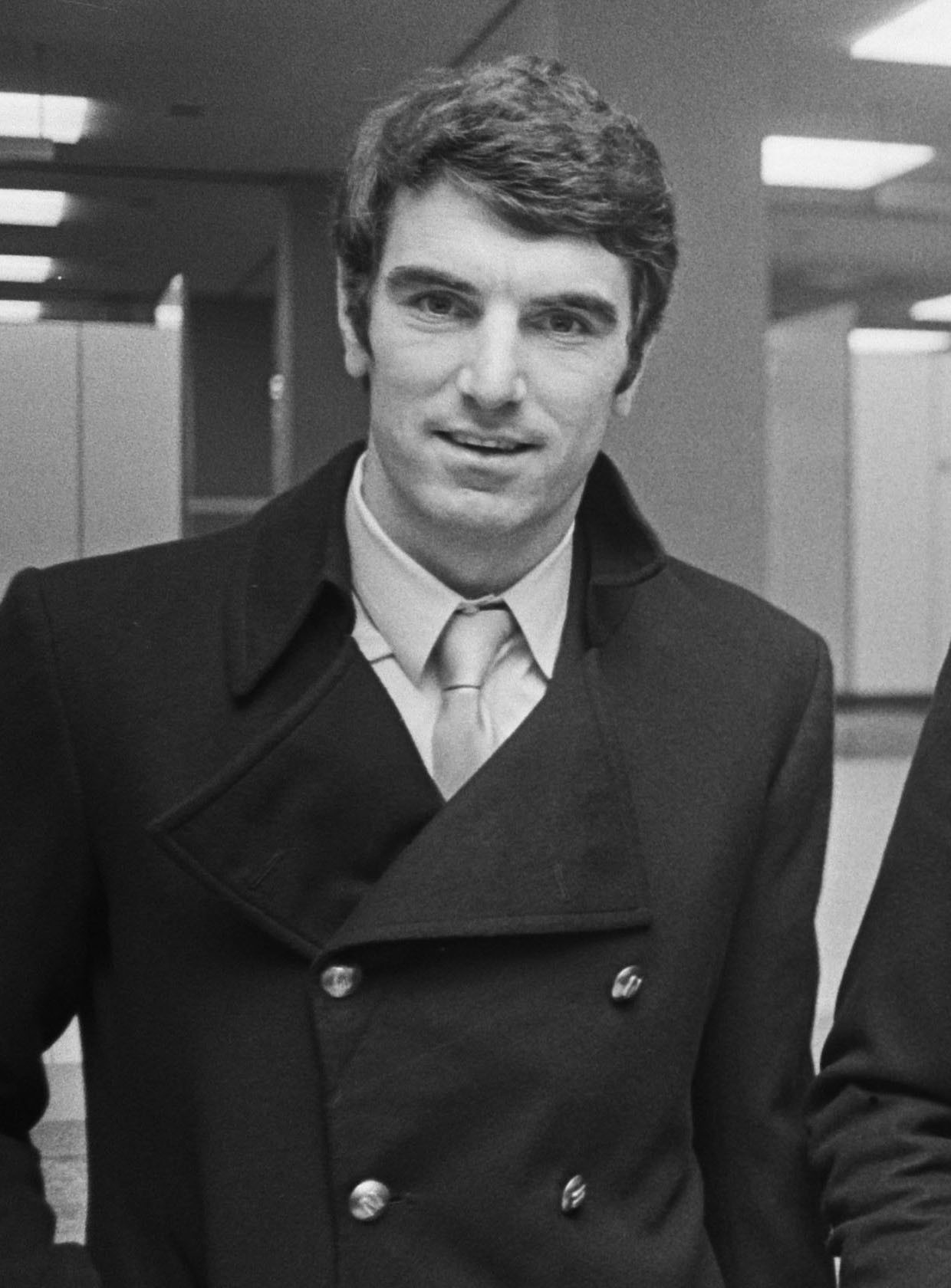
Zoff reached the summit at 40. Italy’s 1982 captain played all seven matches and made the late goal-line intervention against Brazil that protected a 3-2 win in the tournament’s defining contest. His calm handling helped a side emerging from a winless first group stage become champion.
Across 17 World Cup appearances he kept seven clean sheets. The 1970 finalists used Enrico Albertosi, so Zoff’s own finals record begins with the failed 1974 campaign and includes fourth place in 1978. That uneven start limits his position. The mature 1982 performances remain unique: no older captain has lifted the trophy, and few goalkeepers have carried such responsibility so quietly through three severe knockout matches.
Against Brazil, Poland and West Germany, Zoff’s value lay as much in refusing panic as in making saves. The late intervention from Oscar’s header preserved the 3-2 victory over Brazil, but his positioning throughout the knockout phase let Italy defend narrow leads without the goalkeeper spreading uncertainty behind them.
Rank 28: Thomas Müller
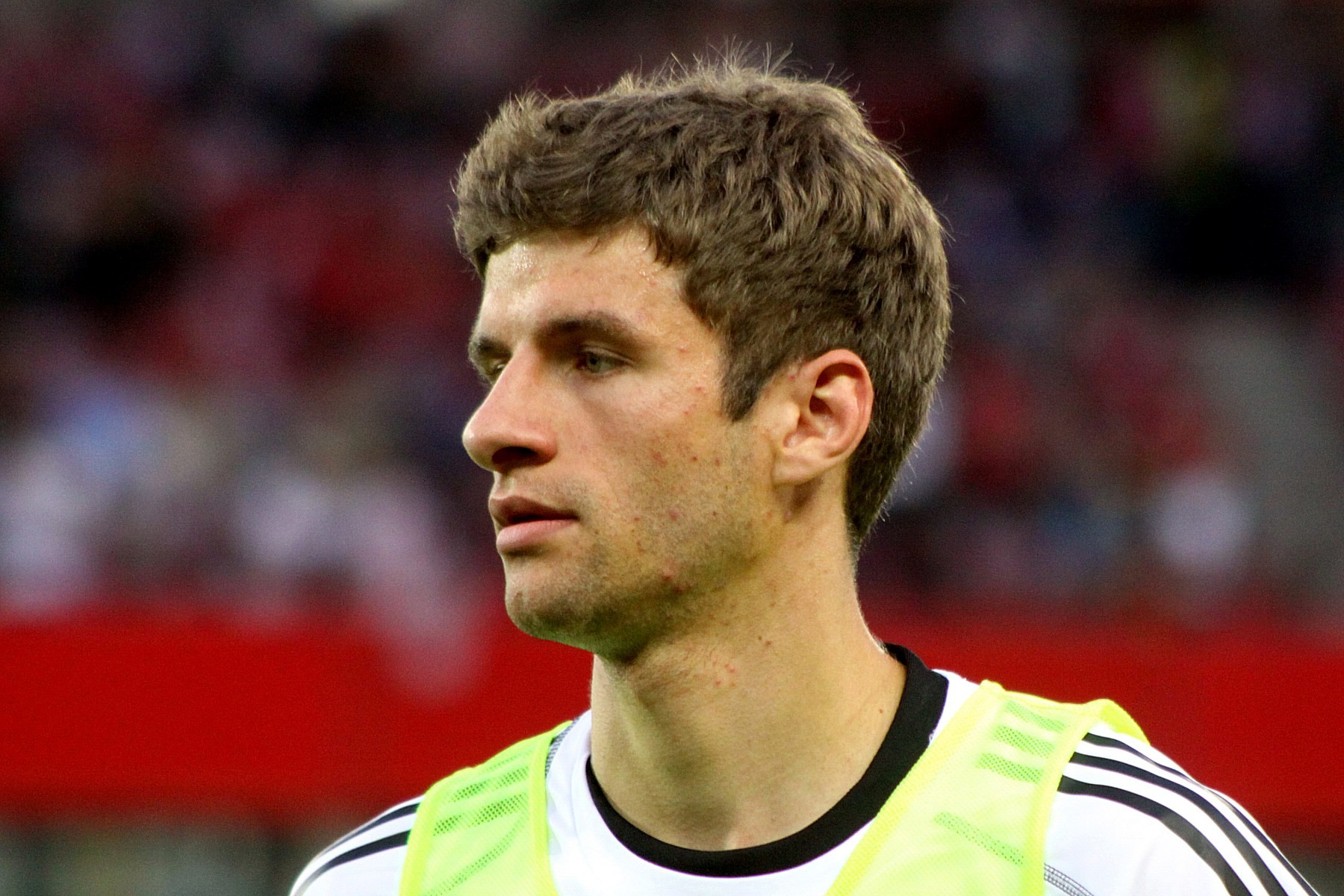
Müller’s movement was tailored to tournament football, where defensive partnerships have little time to learn an opponent’s habits. He drifted from the expected zone, arrived for cut-backs and reacted first to loose balls. Ten goals in 19 appearances included five and the Golden Boot in 2010, then five more during Germany’s 2014 triumph.
The later editions sharply weakened the trajectory. Germany went out in the group stage in 2018 and 2022, with Müller unable to restore the earlier directness. His prime contribution remains greater than the raw total suggests because he also created space for Miroslav Klose and the advancing midfielders. He sits below Lato, whose production supported three strong Polish finishes rather than two excellent tournaments followed by two failures.
In 2010 and 2014 he was hard to assign because his role began on the right and repeatedly ended inside the six-yard box. The opening goal against Brazil in the 2014 semi-final came from reading a corner rather than overpowering anyone. Such movement made him a tournament specialist before later sides lost their balance.
Rank 27: Grzegorz Lato
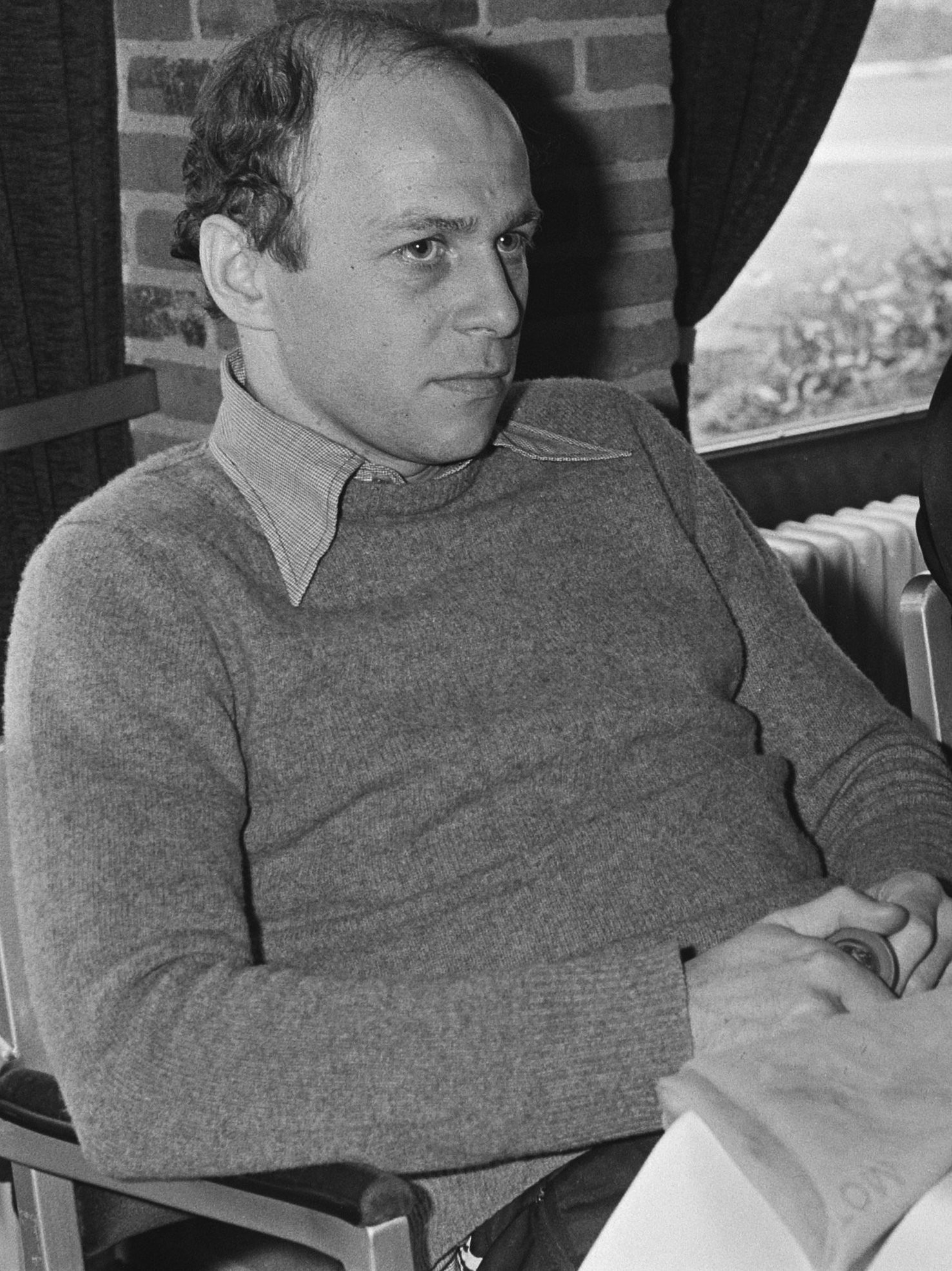
Lato’s speed became more dangerous because he knew when not to use it. He waited outside the defender’s sightline, then attacked the channel once Kazimierz Deyna or Robert Gadocha had drawn pressure. Seven goals won the 1974 Golden Boot as Poland finished third, including the winner against Brazil in the play-off.
He finished with ten goals in 20 World Cup appearances and helped Poland take third again in 1982. The 1978 side reached the second group stage between those peaks. Lato did not control games like the midfielders above, but he gave an unfancied nation repeatable attacking leverage across three editions. That sustained tournament specificity earns 27.
Poland’s counterattacks in 1974 were built for his speed, yet Lato was not simply released into empty grass. He combined quickly with Grzegorz Lubański’s replacements, arrived inside from the flank and scored the winner in the third-place match against Brazil. His Golden Boot belonged to a coherent role, not a collection of breakaways.
Rank 26: Rodri
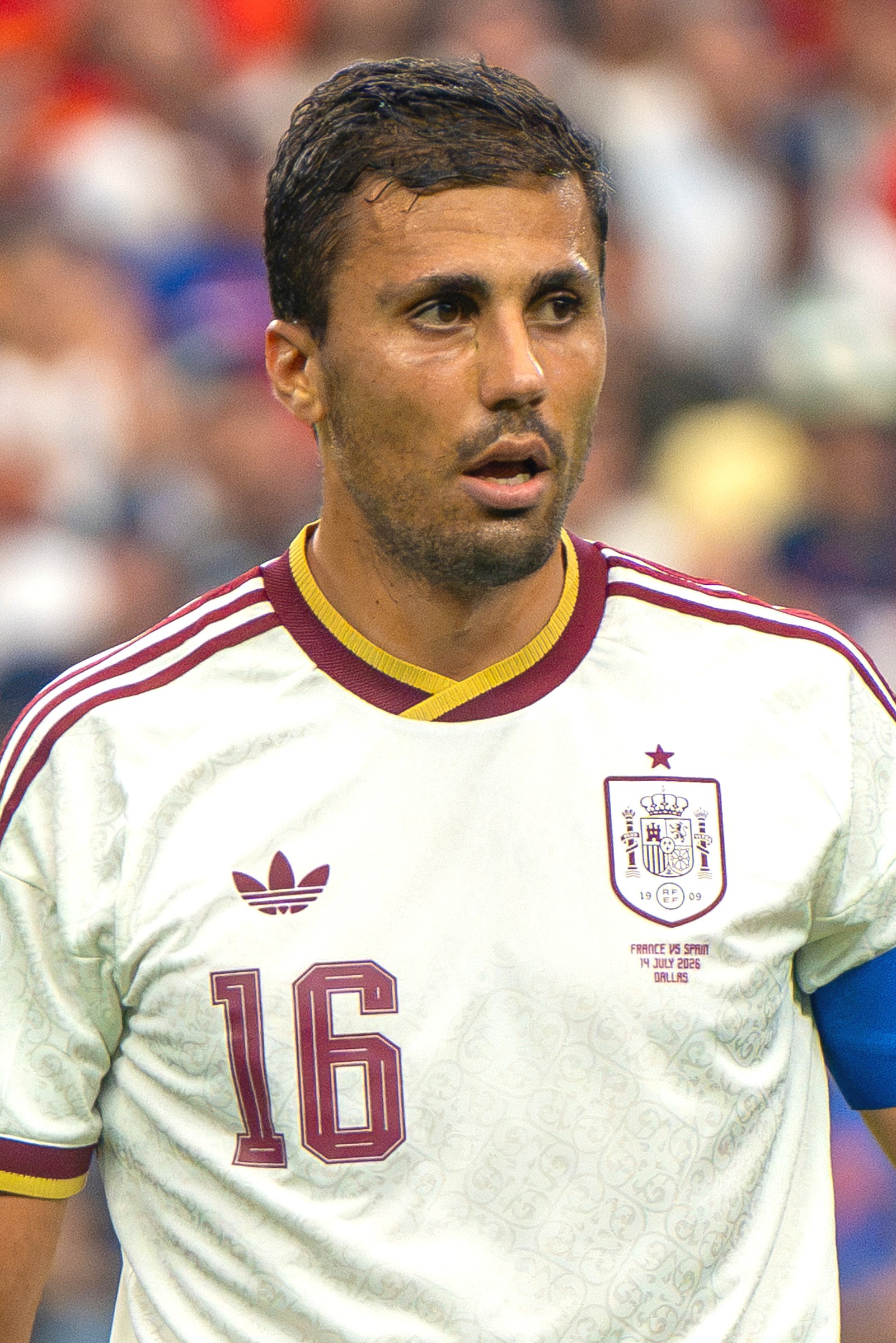
Rodri entered the list through one tournament, so his placement has to be exact. In 2026 he linked Spain’s defence to its rotating attack, recovered possession before transitions developed and controlled matches that could otherwise have become stretched. Spain conceded only one goal across eight games and beat Argentina 1-0 after extra time in the final.
FIFA awarded him the Golden Ball. In the final he completed 101 of 105 passes, won 80 per cent of his duels and created two chances. Those figures describe command against the strongest possible pressure, not empty circulation. His 2022 tournament, partly spent at centre-back, ended in the last 16 and offers little additional weight. Rodri therefore enters below multi-edition figures but above several champions whose individual final-tournament peak was less complete.
Rank 25: Fabio Cannavaro
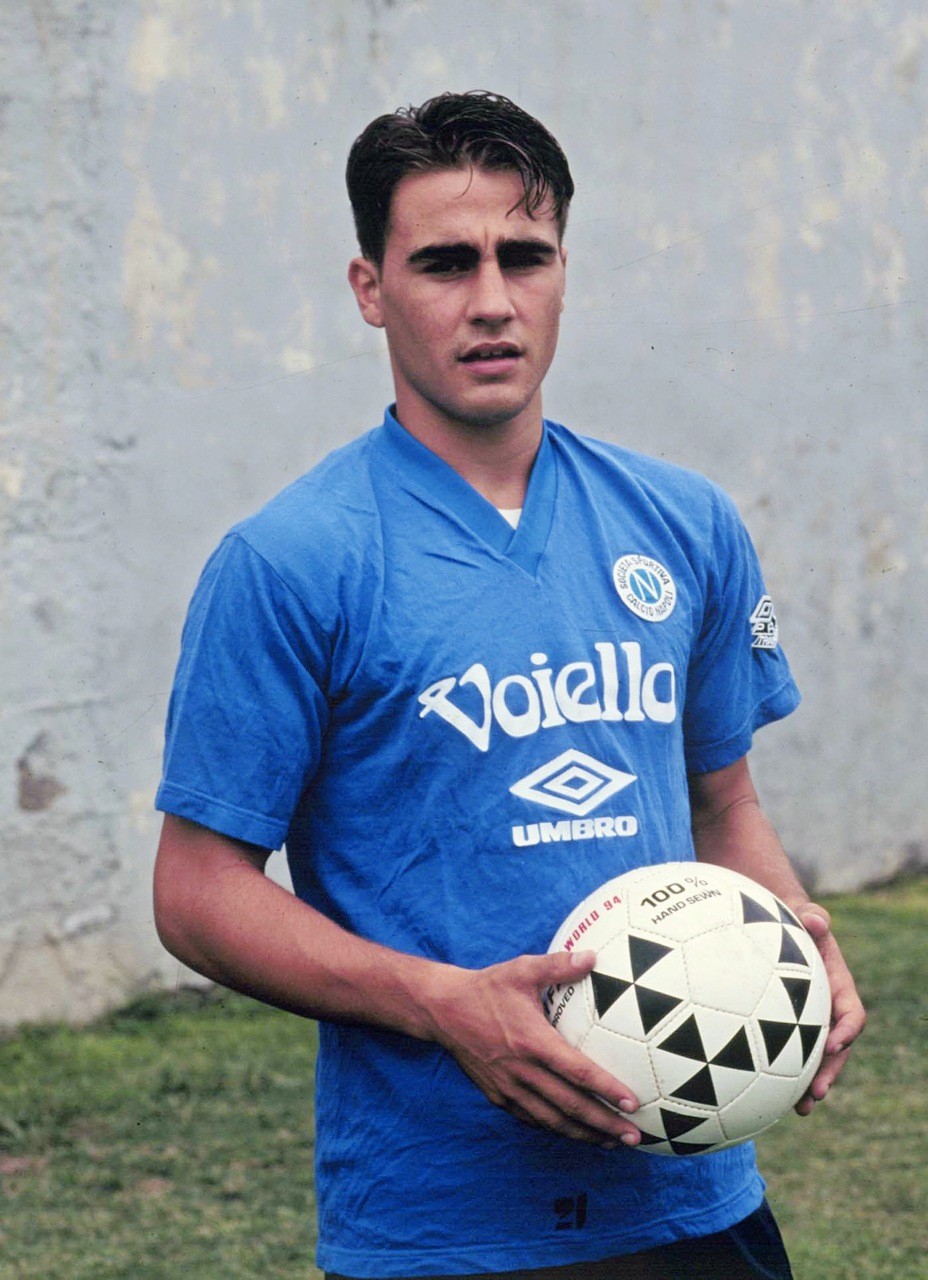
Cannavaro captained Italy through seven matches in 2006 without being substituted, playing 690 minutes and conceding no open-play goal to an opponent. Fabio Grosso’s own goal and Zinedine Zidane’s penalty were the only breaches before the shoot-out victory over France.
His game depended on timing because he lacked the height normally associated with an aerially dominant centre-back. He stepped in front, recovered quickly and organised a defence disrupted by Alessandro Nesta’s injury. Earlier World Cups had shown good defending without the same authority; 2010 brought decline and group-stage elimination. Cannavaro ranks 25 because the 2006 campaign is one of the position’s clearest tournament peaks, but the wider finals record does not match Moore or Beckenbauer.
Italy conceded only an own goal and a penalty across seven matches in 2006. Cannavaro’s reading was essential to that record, especially when the semi-final against Germany became stretched in extra time. He defended forward, cutting out passes before Miroslav Klose could establish the kind of penalty-area position that had damaged other opponents.
Rank 24: Mário Zagallo
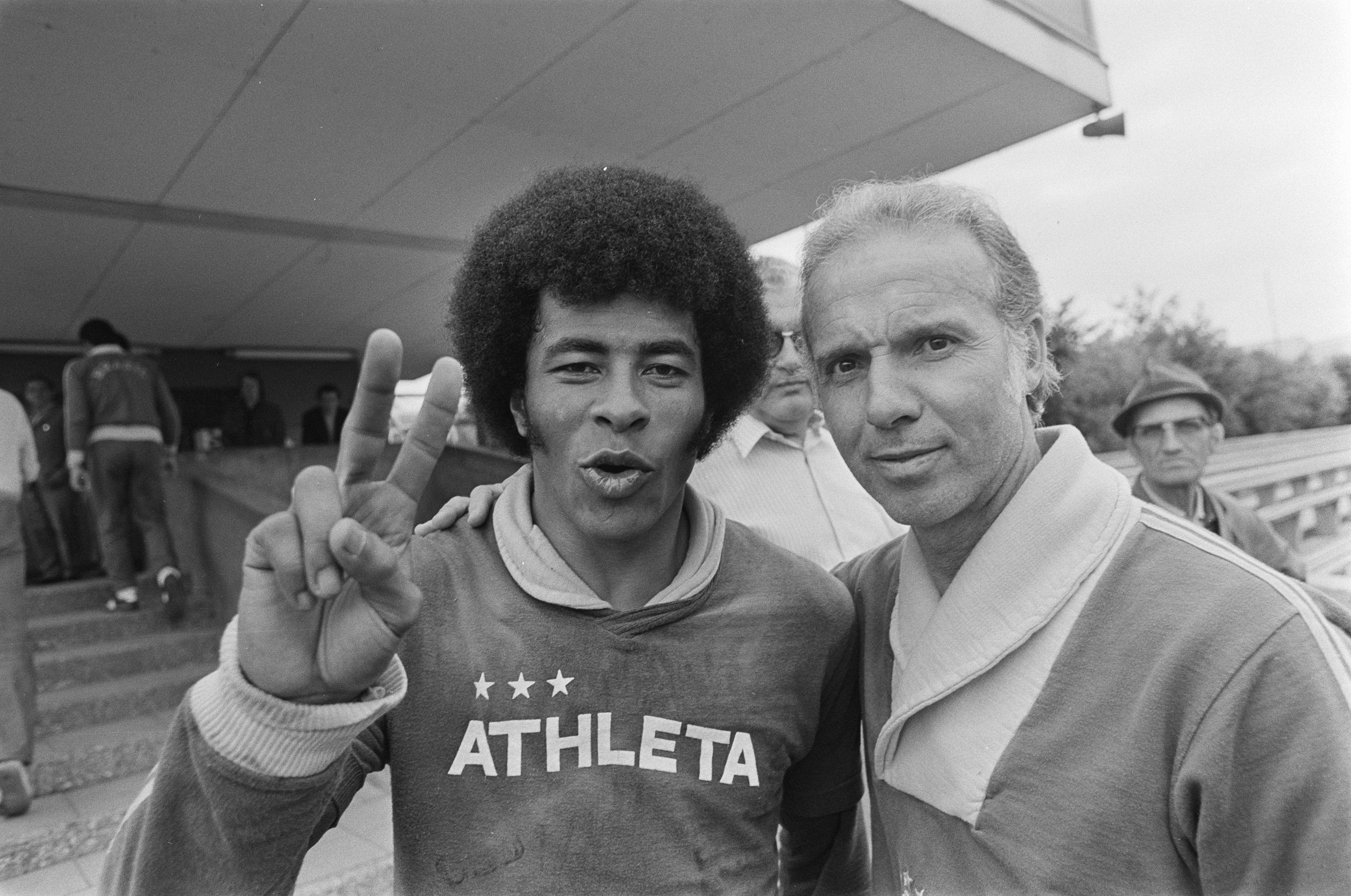
Zagallo gave Brazil’s attacking 4-2-4 its hidden balance. Listed on the left wing, he recovered into midfield, covered Nílton Santos’s advances and still arrived in the area. He scored in the 1958 final and started every match of the 1962 title defence.
Two winner’s medals can make him look like a fortunate supporting actor beside Pelé and Garrincha. The tactical evidence says otherwise. Brazil needed one winger to interpret defensive responsibility differently, and Zagallo’s intelligence allowed the other attackers greater freedom. His later achievements as a coach are excluded from the ranking. As a player, he earns 24 for performing a role whose value is greater than his two World Cup goals suggest.
Zagallo started from the left but narrowed when Brazil lost possession, giving the midfield an extra worker while Garrincha remained higher on the opposite side. In attack he still reached the box, scoring in the 1958 final. That asymmetry helped a brilliant collection of individuals operate as a balanced team.
Rank 23: Luka Modrić
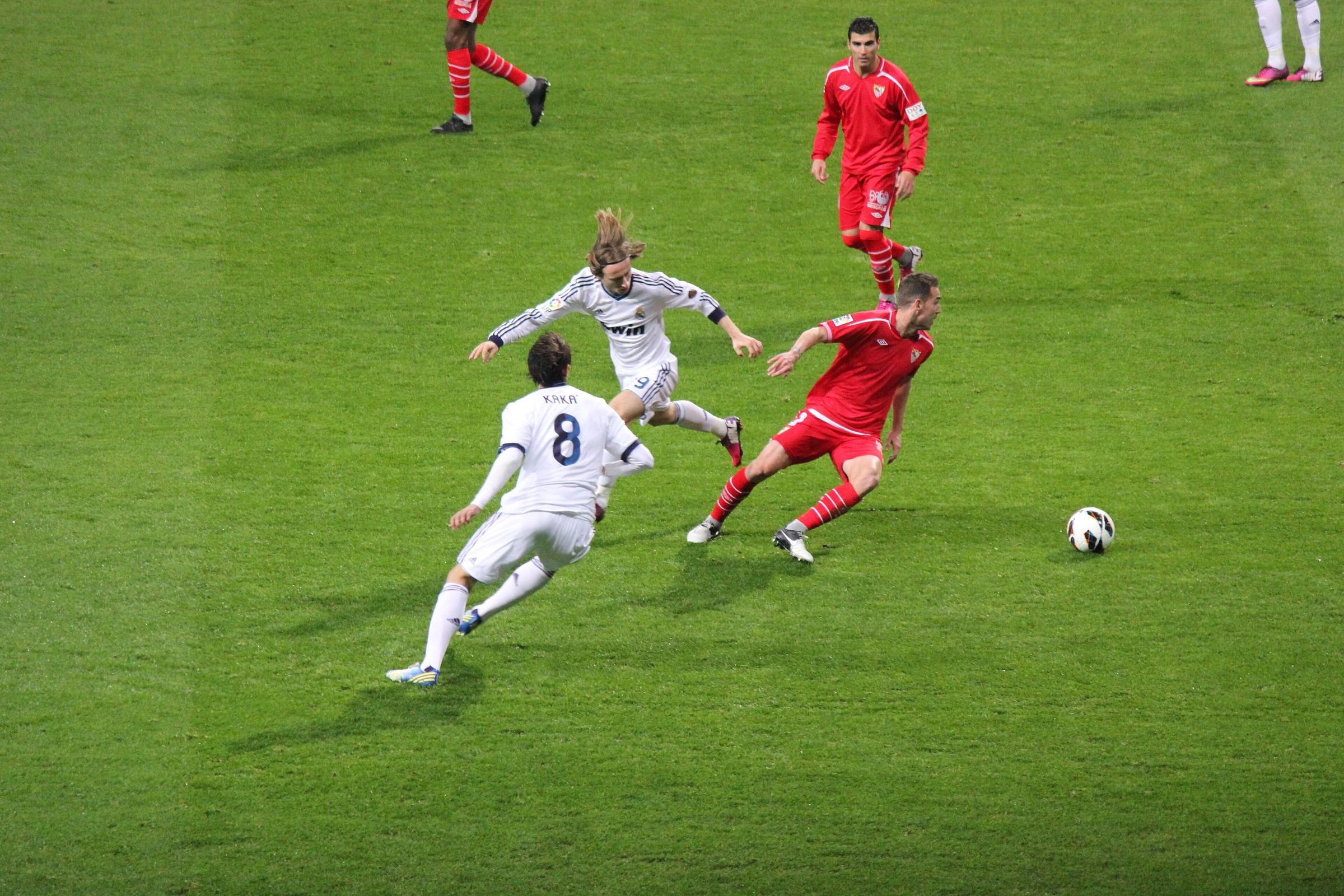
Modrić turned Croatia’s 2018 run into a sequence of manageable problems. He carried through the first press, switched play and continued offering himself through three consecutive extra-time knockout matches. Across the tournament he played 694 minutes and won the Golden Ball.
The missed penalty against Denmark did not unravel him; he scored in the shoot-out minutes later. Croatia then reached third place in 2022, adding longevity to the peak. By 2026 his role had narrowed, but a fifth tournament extended the historical record. Modrić ranks below Kempes because he did not decide a winning final, and above Zagallo because he carried much more of his team’s creative burden.
Croatia’s repeated extra-time matches make the burden clearer. In 2018 Modrić played 694 minutes, continuing to receive under pressure after the team’s spacing had deteriorated through fatigue. The Golden Ball recognised more than elegance: he kept a small nation’s route through three knockout ties technically possible when those games became survival contests.
Rank 22: Mario Kempes
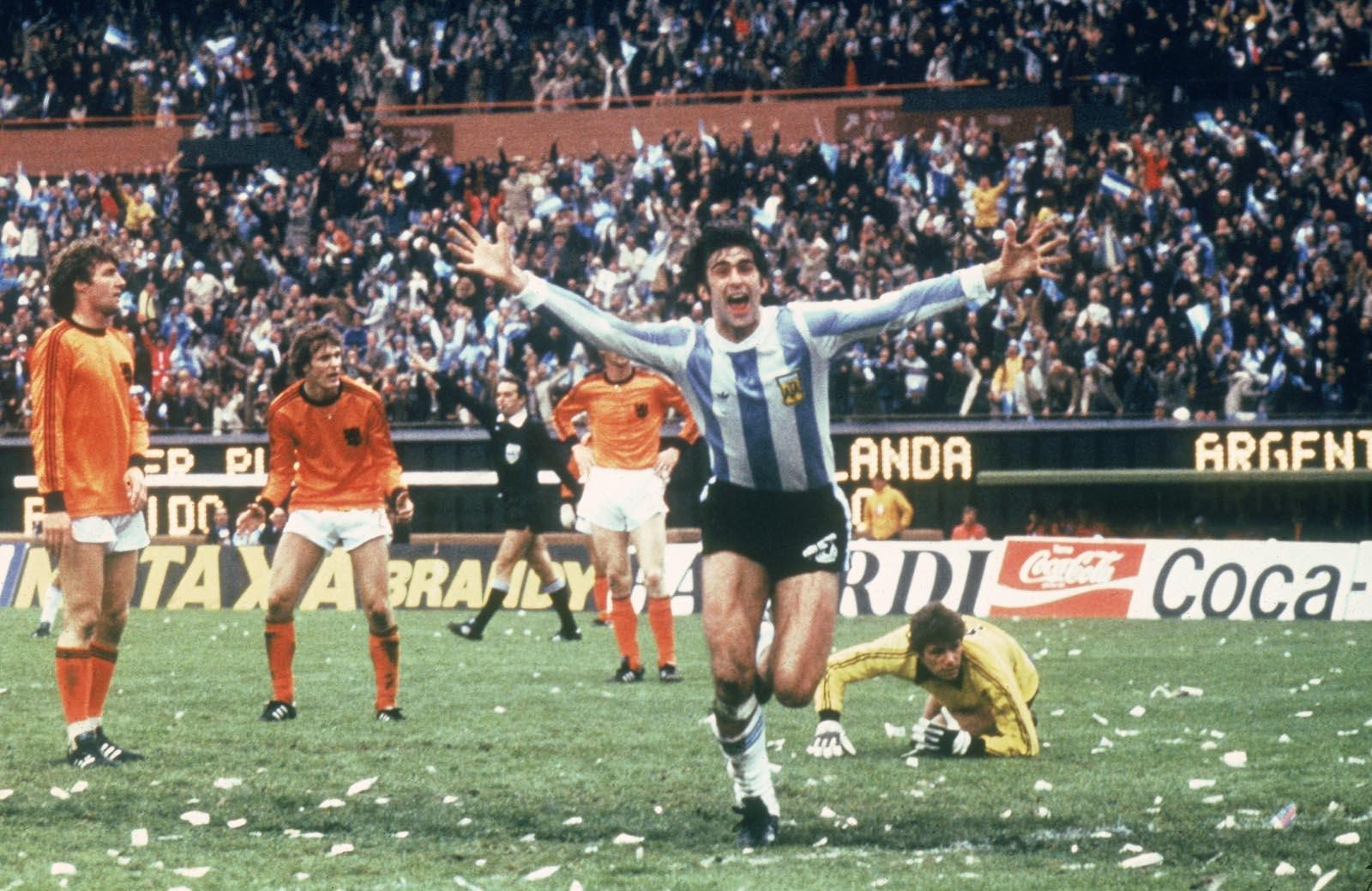
Kempes began the 1978 World Cup without scoring in the first group stage. César Luis Menotti moved him closer to goal, and the tournament changed. He scored six times in the last four matches, including two in the 3-1 final victory over the Netherlands, to win both Golden Boot and Golden Ball.
The tournament took place under Argentina’s military dictatorship, and the 6-0 win over Peru remains surrounded by suspicion. Those conditions must be stated without inventing proof against individual players. Kempes’s own finishing in the semi-final group and final is visible and decisive. His 1974 and 1982 campaigns were disappointing, keeping him outside the top 20. Few players have altered the end of a single World Cup more directly.
Rank 21: Just Fontaine
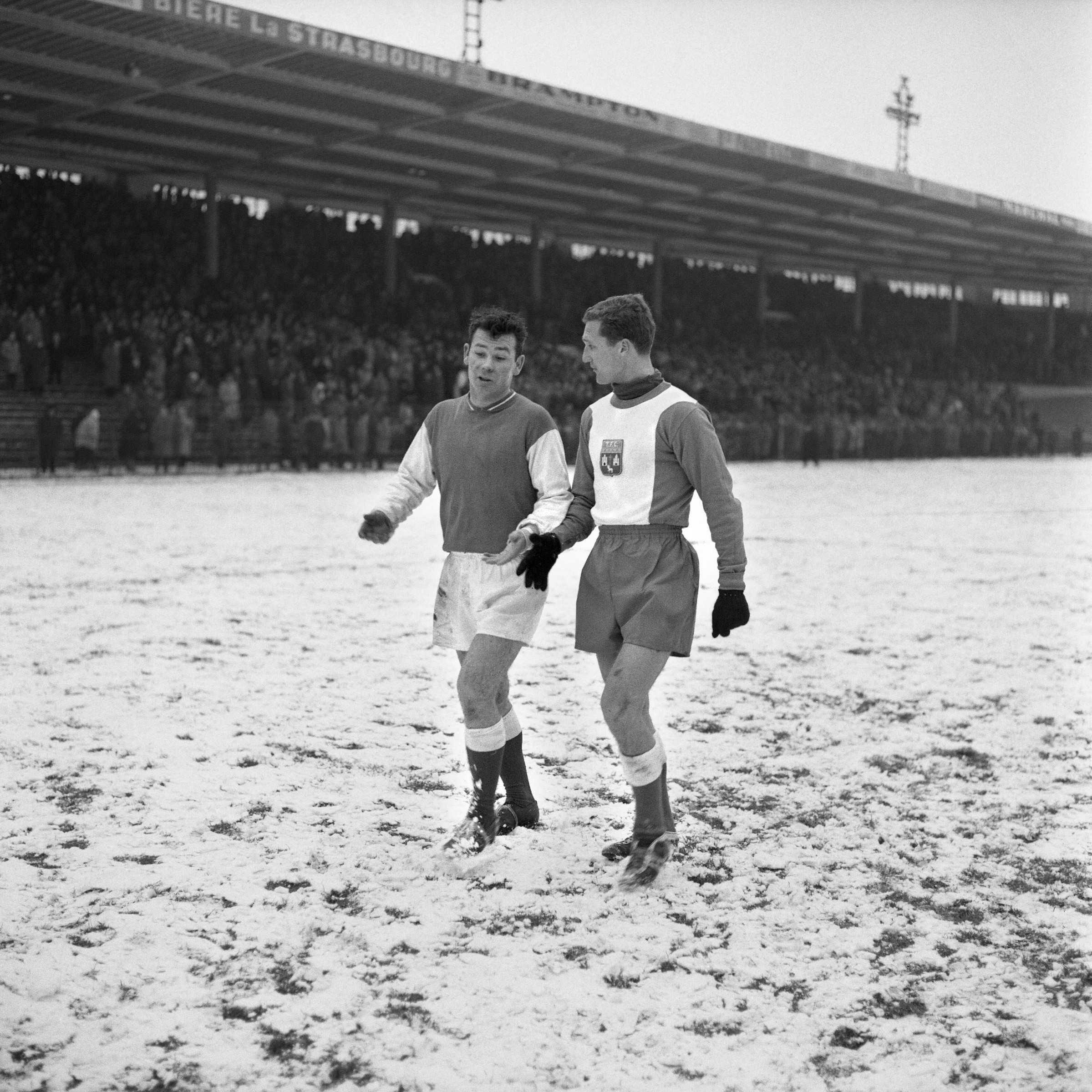
Fontaine played six World Cup matches and scored in all of them. His 13 goals in 1958 remain the single-edition record, including four against West Germany in the third-place play-off. He finished chances supplied by Raymond Kopa but also created space through fast diagonal movement and combined efficiently around the area.
One tournament is the entire case. Injury ended his career before he could return, so there is no evidence of adaptation across editions or of a final. That keeps Fontaine just outside the top 20. The concentration of production still earns a place above champions with smaller personal influence. A World Cup ranking should reward what happened at the World Cup, and nobody has compressed more scoring into one edition.
Fontaine’s 13 goals were not inflated by one weak opponent. He scored in all six matches, including four against the defending champions West Germany in the third-place play-off. His movement beside Raymond Kopa, finishing off either foot and confidence from distance made France’s attack varied even when the match state changed.
Rank 20: Gordon Banks
Banks conceded three goals in six matches during England’s 1966 triumph and kept four clean sheets. His footwork and handling gave the hosts a stable base while matches remained tight. Four years later he made the save from Pelé’s downward header that still defines the possibilities of reflex goalkeeping.
Food poisoning removed Banks before the 1970 quarter-final defeat to West Germany, creating a painful counterfactual. He played only nine World Cup matches in total, so Zoff has the greater volume. Banks ranks higher because his peak includes both a title and the finest isolated goalkeeping action in tournament history, performed against the champion side and its greatest attacker.
The Pelé save was not an ornamental moment in a comfortable match. England were defending their status against the eventual champions and Banks had to move across his goal before the downward header changed the ball’s height. Four successive clean sheets at the 1966 tournament provide the less spectacular evidence of the same technique.
Rank 19: Bobby Moore
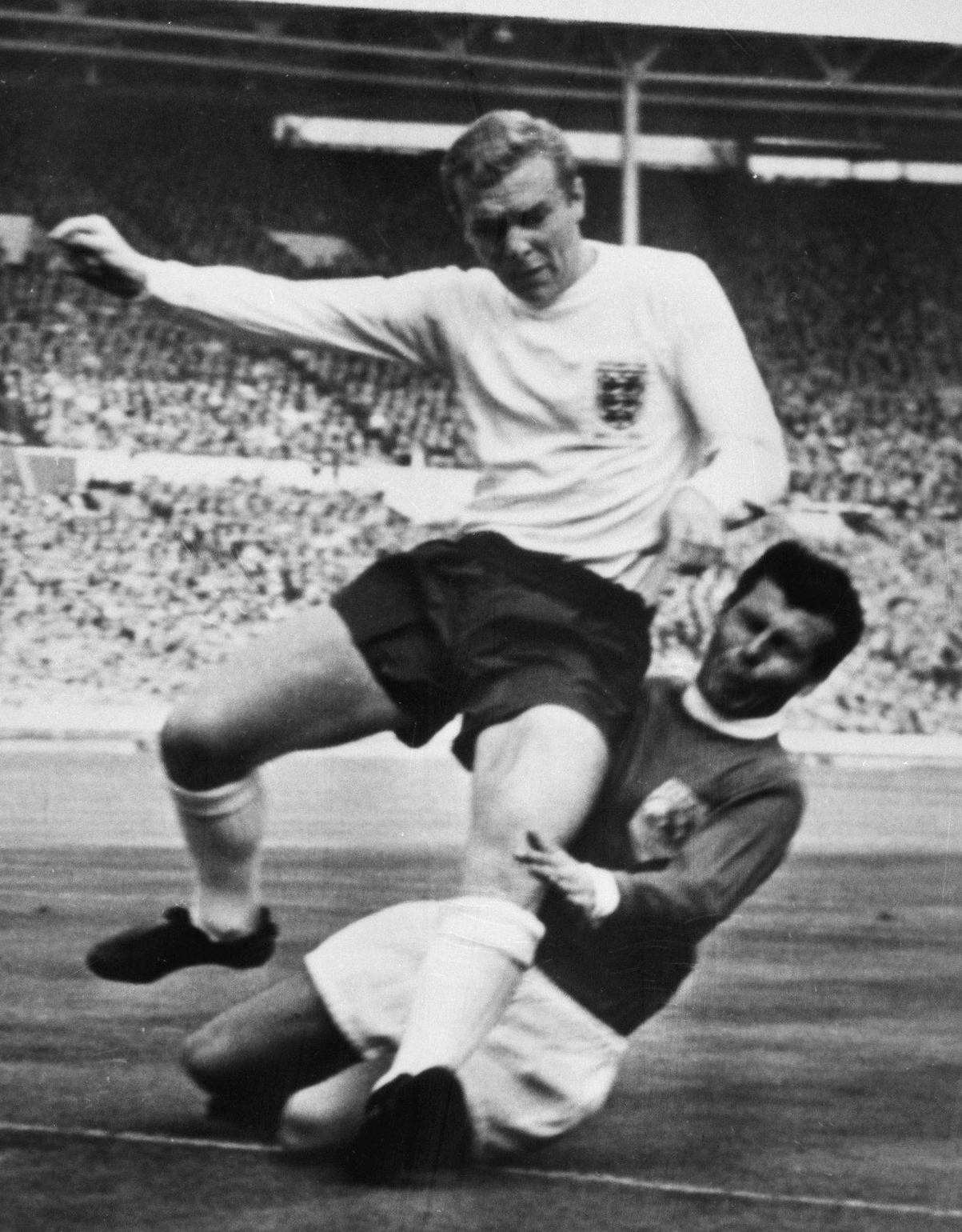
Moore defended by arriving before the duel became necessary. His positioning invited an opponent into a lane he had already prepared to close, and his passing began attacks without hurried clearances. He played 14 World Cup matches and captained England throughout the 1966 title run.
The final showed both sides of the case. Moore’s quick free kick created Geoff Hurst’s first goal, and his long pass in the final seconds supplied the hat-trick. Against Brazil in 1970 he made a perfectly timed tackle on Jairzinho and then exchanged shirts with Pelé after a narrow defeat. England did not progress far enough in 1962 or 1970 to give him Beckenbauer’s multi-edition record. His 1966 command remains the tournament’s strongest English defensive performance.
Rank 18: Paolo Rossi
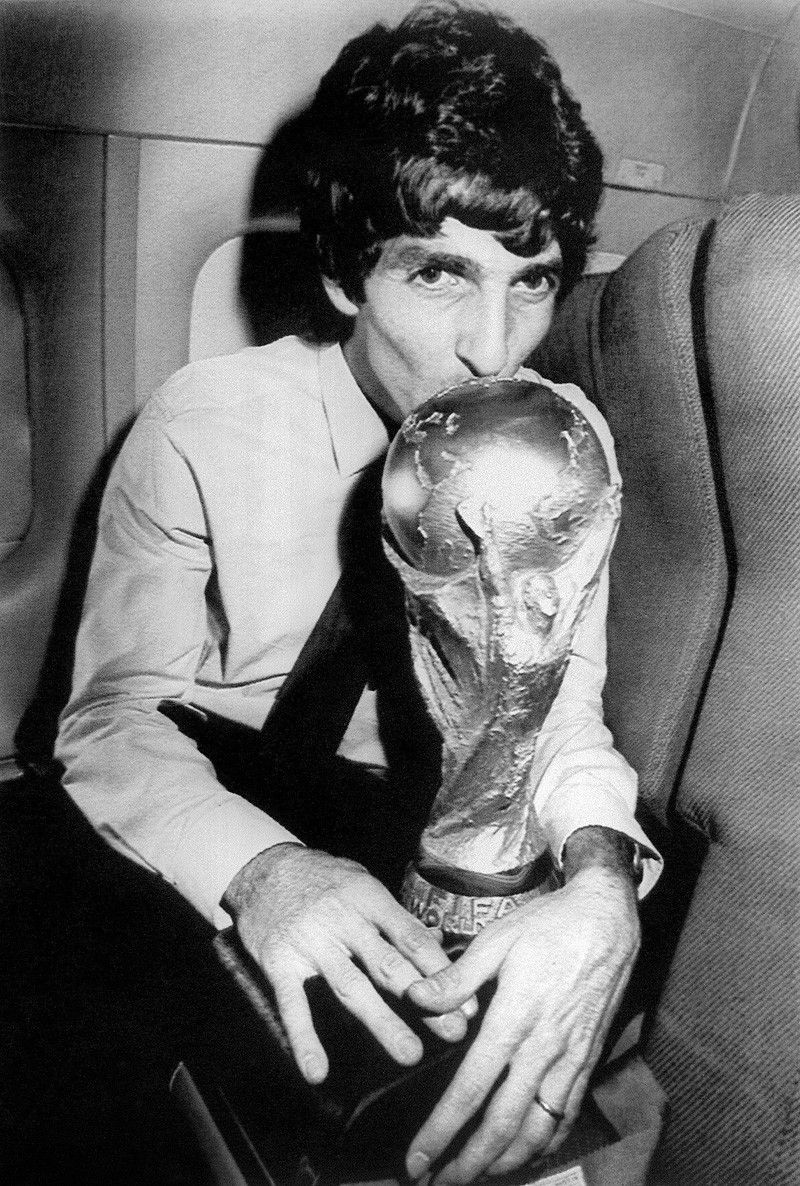
Rossi reached the second group stage in 1982 without a goal and under heavy criticism after a recent betting-related ban. Then he scored a hat-trick against Brazil, twice against Poland in the semi-final and the opener against West Germany in the final. Six goals in three knockout matches transformed both his tournament and Italy’s.
He had already scored three times and assisted four during the 1978 run to fourth place, proving the 1982 burst was not isolated from previous World Cup quality. By 1986 he was no longer physically ready to contribute. Rossi ranks 18 because the decisive sequence is almost unmatched, while Romário’s 1994 performance was more consistently influential across a winning campaign.
The sequence in Spain answered three different knockout demands. Rossi attacked space behind Brazil, anticipated loose marking twice against Poland and then scored first in the final when West Germany were still level. The earlier betting ban makes the comeback compelling, but the ranking rests on the variety and consequence of the finishes.
Rank 17: Romário
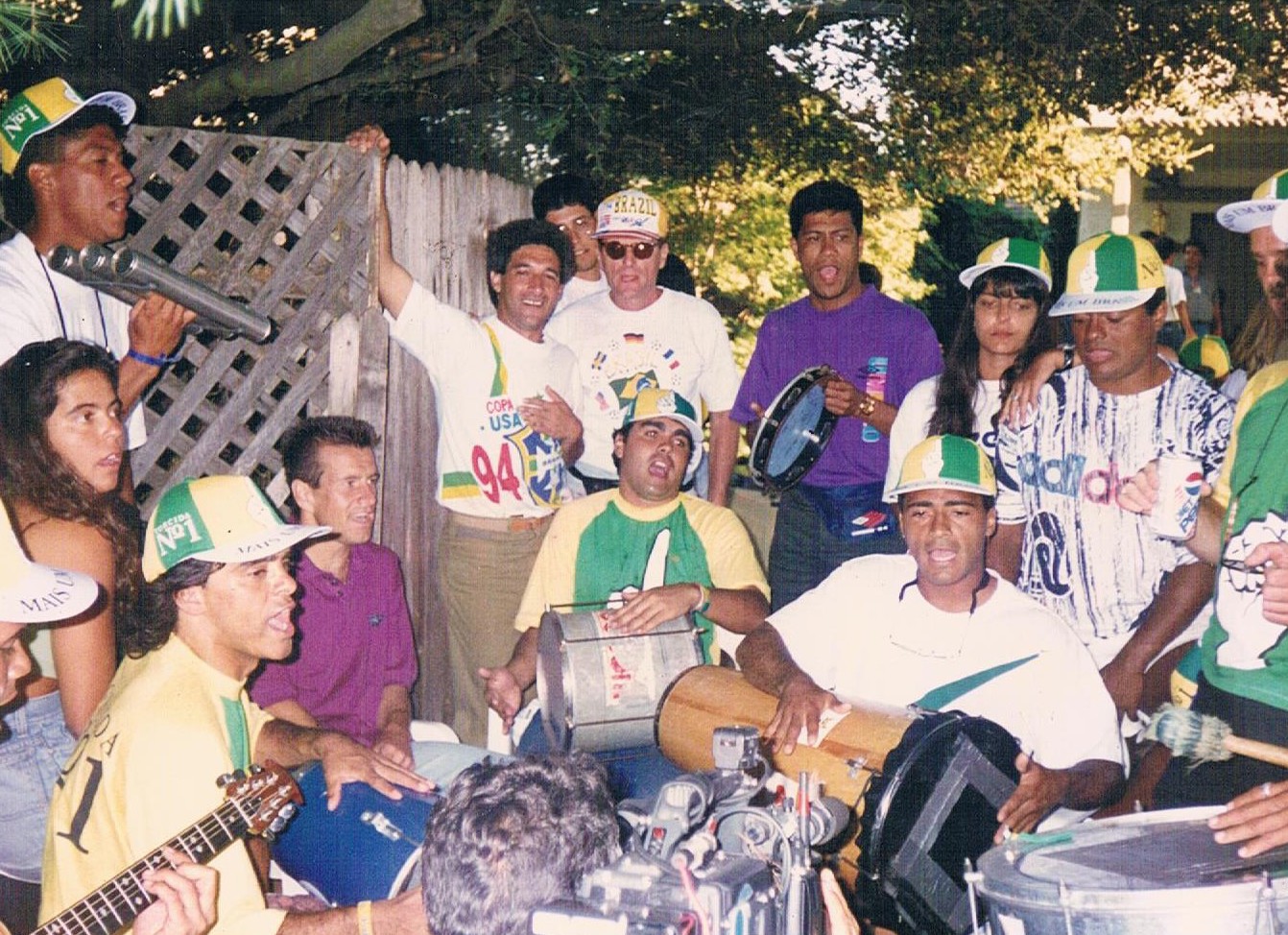
Romário scored five times in 1994 and created Brazil’s route through matches that rarely became open. His quarter-final goal against the Netherlands came from a first-time finish, the semi-final winner against Sweden from a header between taller defenders. He then converted in the final shoot-out.
FIFA awarded him the Golden Ball. Injury had kept him to a token appearance in 1990, and failure to qualify for later squads leaves 1994 as the complete meaningful sample. He was not a high-volume creator, but his movement gave Bebeto and the midfield space to work. Romário ranks above Rossi because his influence ran through the whole title campaign rather than arriving after a poor group stage.
The knockout goals show his precision. A stabbed finish decided the quarter-final with the Netherlands, then his header separated Brazil and Sweden in the semi-final. Romário’s body position often hid the intended touch until the last instant, a particularly useful skill in the crowded, cautious matches that defined the 1994 tournament.
Rank 16: Johan Cruyff
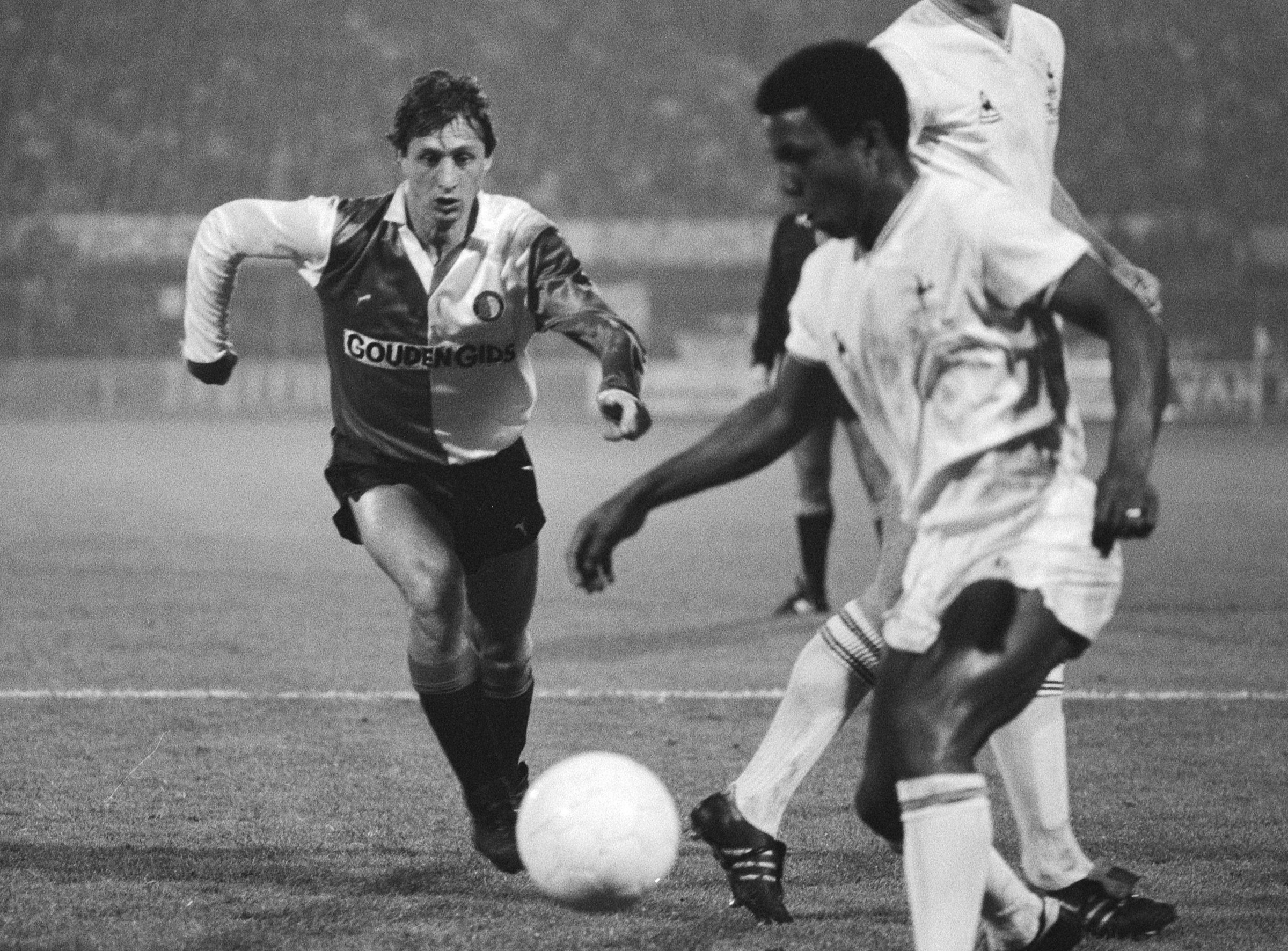
Cruyff played only one World Cup, but almost every opponent had to change shape because of him. He dropped into midfield, moved to either wing and attacked the box after defenders had followed his first movement. Three goals in seven matches understates the chance creation and tactical displacement he produced in 1974.
The Netherlands lost the final after taking a lead before West Germany had touched the ball, Cruyff winning the opening penalty through a run from halfway. He never returned, withdrawing before 1978 for personal and security reasons later explained in interviews. The single tournament prevents a top-ten place. Its influence on how international football understood pressing, space and a roaming forward keeps him above champions with less individual control.
Cruyff scored twice against Argentina and then helped dismantle Brazil in the decisive second-round match, but his tournament was not a conventional scoring run. He told the press where to begin, moved centre-backs away from their reference points and decided which team-mate should occupy the vacated space. The whole attack followed his reading.
Rank 15: Ferenc Puskás
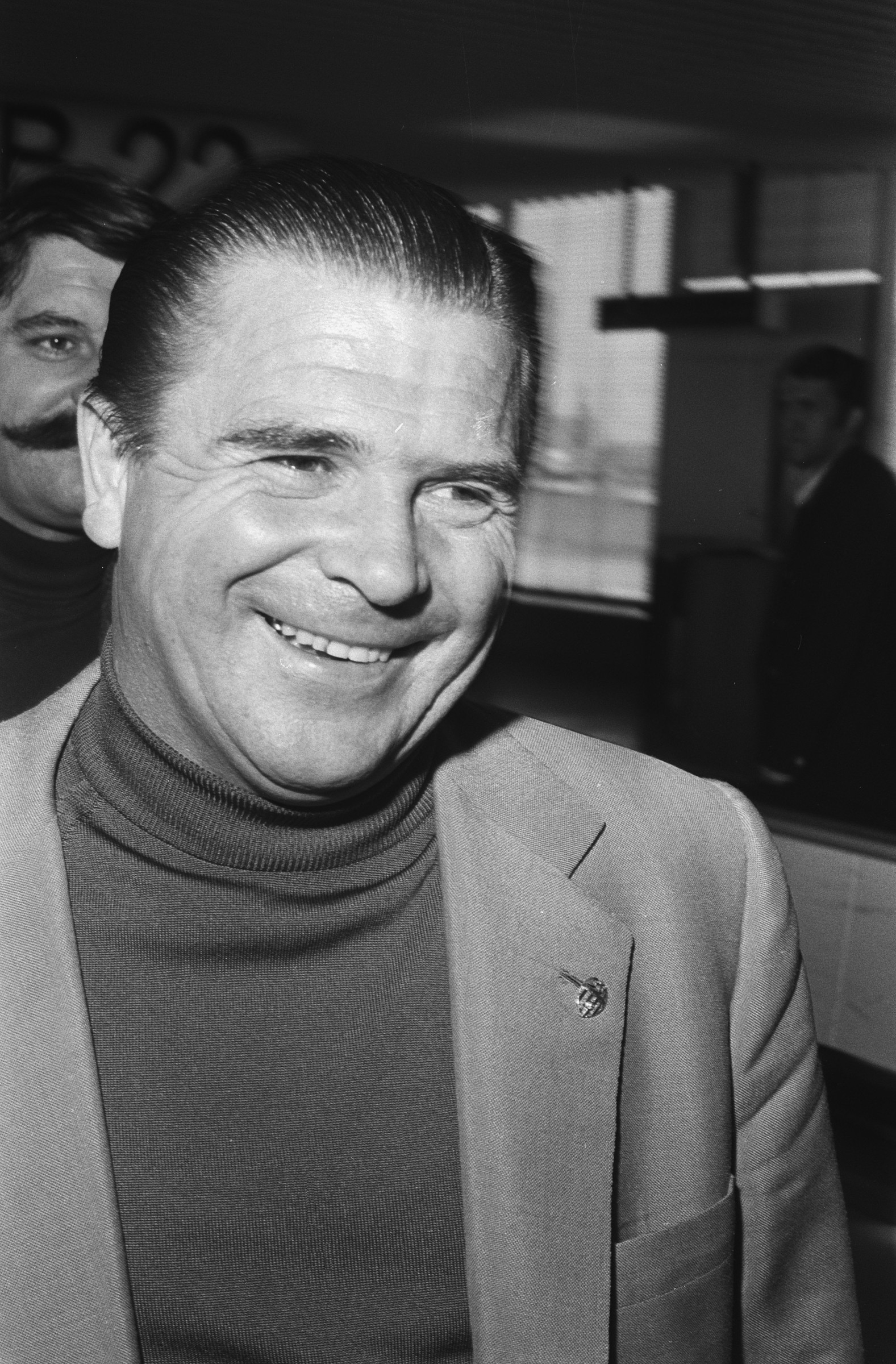
Puskás scored twice in Hungary’s opening 9-0 win in 1954 before Werner Liebrich’s challenge injured his ankle. He returned for the final, clearly short of full movement, and still scored the opening goal. Hungary’s 3-2 defeat to West Germany ended a four-year unbeaten run in the match that mattered most.
He finished with four goals in six World Cup appearances across two countries, the later Spain campaign ending without him scoring. The numbers alone would not justify 15. His position reflects the creative and finishing responsibility he carried for a side that changed international tactics, plus the injury context surrounding its only defeat. The top 14 offer either a winning peak or much larger multi-edition evidence.
The 1954 injury changed more than his speed. Puskás had been the left-sided reference for Hungary’s rotations, and his absence forced the team to alter relationships that had looked automatic. Returning for the final brought an early goal but not full mobility. The defeat is part of his record, alongside the compromised conditions in which it occurred.
Rank 14: Cafu
Cafu entered the 1994 final as a substitute, started the 1998 defeat and captained Brazil to victory in 2002. No other man has played in three consecutive World Cup finals. Across 20 appearances he gave Brazil a permanent outlet on the right while recovering with the speed required by adventurous selections.
His attacking work was not simply repeated crossing. Cafu combined inside, overlapped when the winger narrowed and forced opposing wide players to defend deeper. The 2006 quarter-final exit closed the record poorly, and Brazil’s strength means his medals cannot carry the argument alone. Four tournaments, three finals and tactical responsibility in two different winning sides place him narrowly above Klose’s scoring career.
His minutes across the three finals describe the progression. Cafu replaced the injured Jorginho in 1994, started in 1998 and led the side as captain in 2002. He was not occupying the same slot in three great squads. He kept earning more responsibility while Brazil changed coach, shape and attacking personnel.
Rank 13: Miroslav Klose
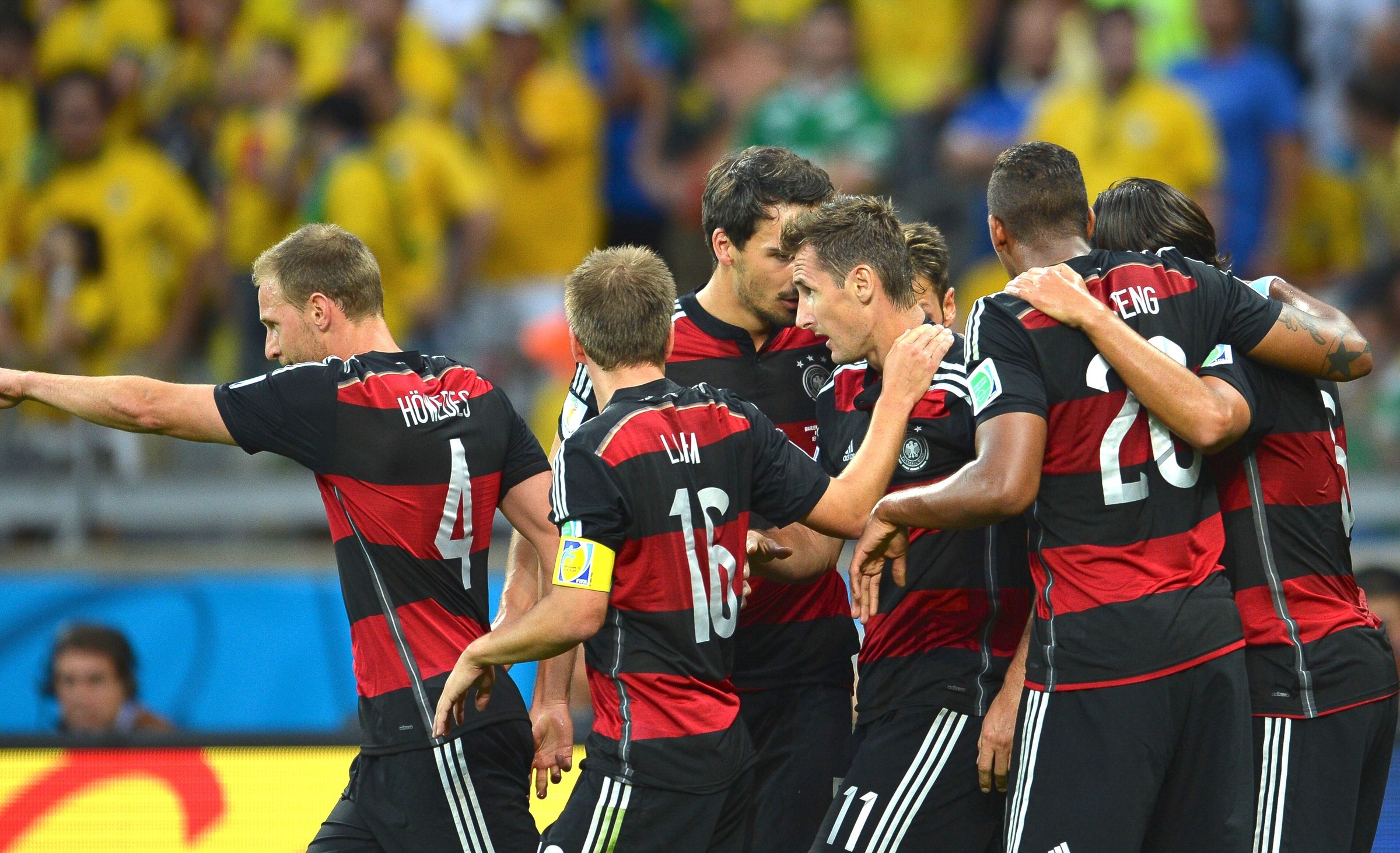
Klose scored five goals at each of his first two World Cups, then four in 2010 and two in 2014. Sixteen goals in 24 appearances made him the tournament’s record scorer for 12 years. The distribution is important: every edition ended with Germany in the semi-finals or better.
He was more than a header specialist. Later Klose linked play, pressed intelligently and accepted a reduced role when the team changed around him. His 2014 semi-final goal against Brazil took the record and helped complete the path to a winner’s medal. Jairzinho ranks above him because the Brazilian decided every match of one perfect title campaign; Klose’s strength is the unmatched repeatability of deep tournament performance.
Rank 12: Jairzinho
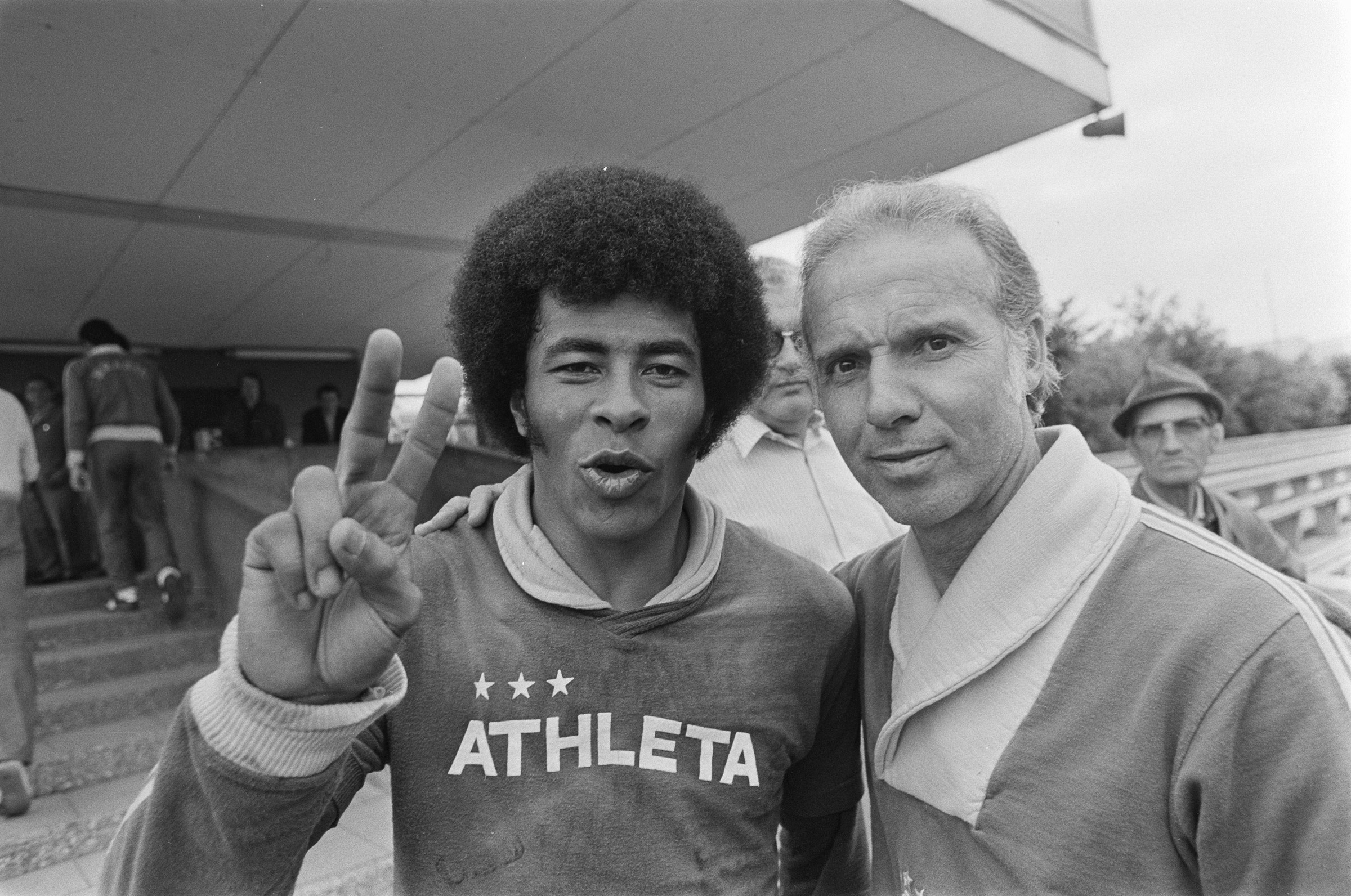
Jairzinho scored in all six of Brazil’s matches in 1970, seven goals across a campaign that ended with the trophy. The sequence included a powerful winner against England, the decisive finish against Peru and the goal that put Brazil ahead in the semi-final with Uruguay.
He was not a fixed winger. Jairzinho drove diagonally from the right, attacked the space created by Tostão and carried through contact. Nine goals in 16 World Cup appearances also include two in 1974, when Brazil finished fourth. Didi ranks above him because he directed two champion sides from midfield; Jairzinho supplied the greatest complete scoring run by a wide forward in tournament history.
Scoring in every match did not mean repeating one finish. He beat England with power from a tight angle, struck early against Peru and arrived centrally against Uruguay and Italy. Brazil’s fluid front line created routes, but Jairzinho’s ability to convert from several starting positions made the sequence uniquely difficult to dismiss as favourable service.
Rank 11: Didi
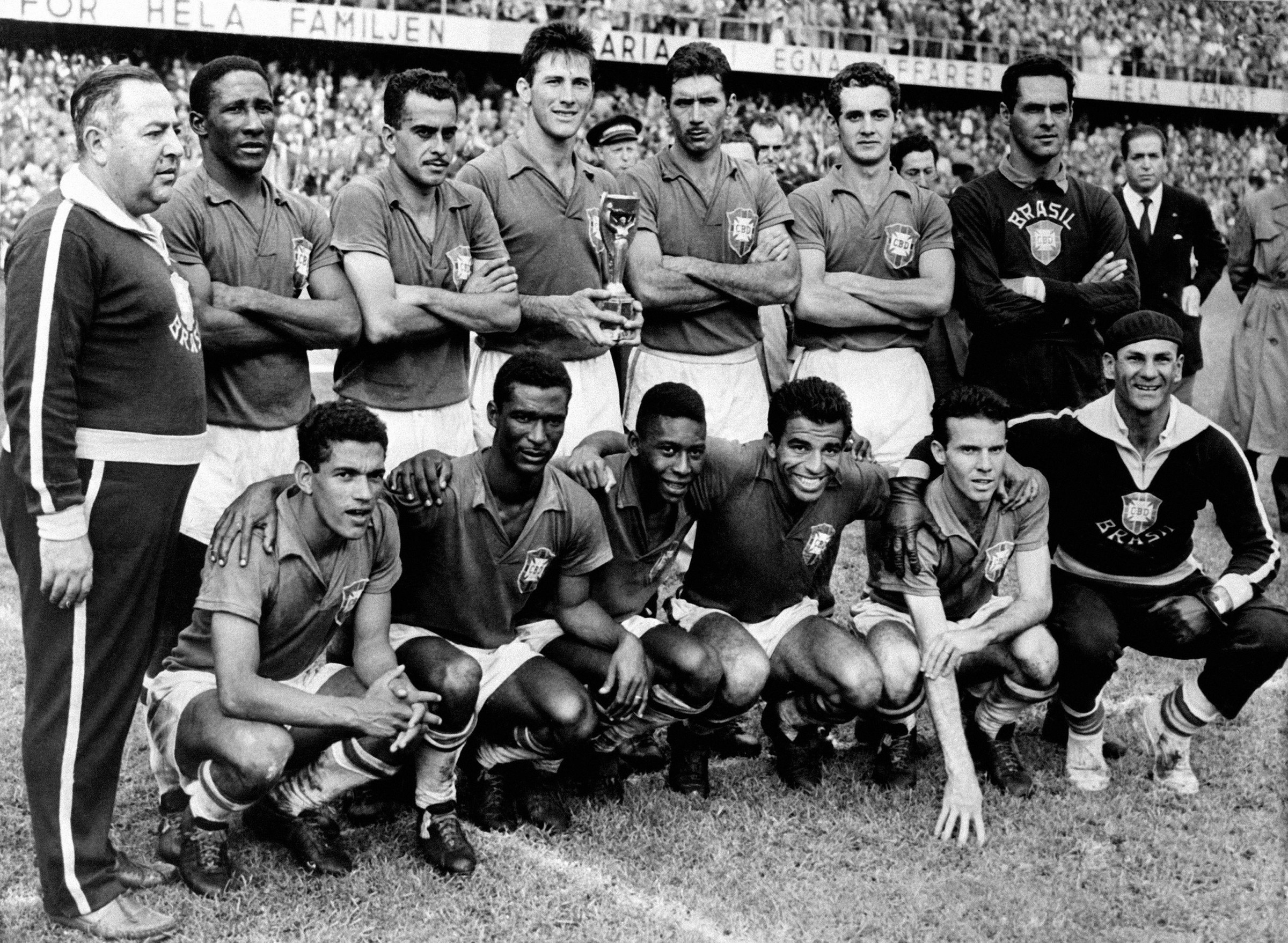
Didi gave Brazil time when excitement threatened to become haste. He switched play, used short passes to draw pressure and controlled the emotional response after going behind. In 1958 he scored once in six matches and was later recognised by FIFA as the tournament’s leading player.
Four years later he remained the midfield reference as Brazil retained the trophy without the injured Pelé. His overall World Cup record comprises 15 appearances and three goals, but scoring was incidental to tempo. Didi ranks just outside the top ten because his influence is less visible in event totals than that of Müller or Mbappé. Match rhythm, two titles and authority across different attacking combinations make the historical case secure.
Rank 10: Gerd Müller
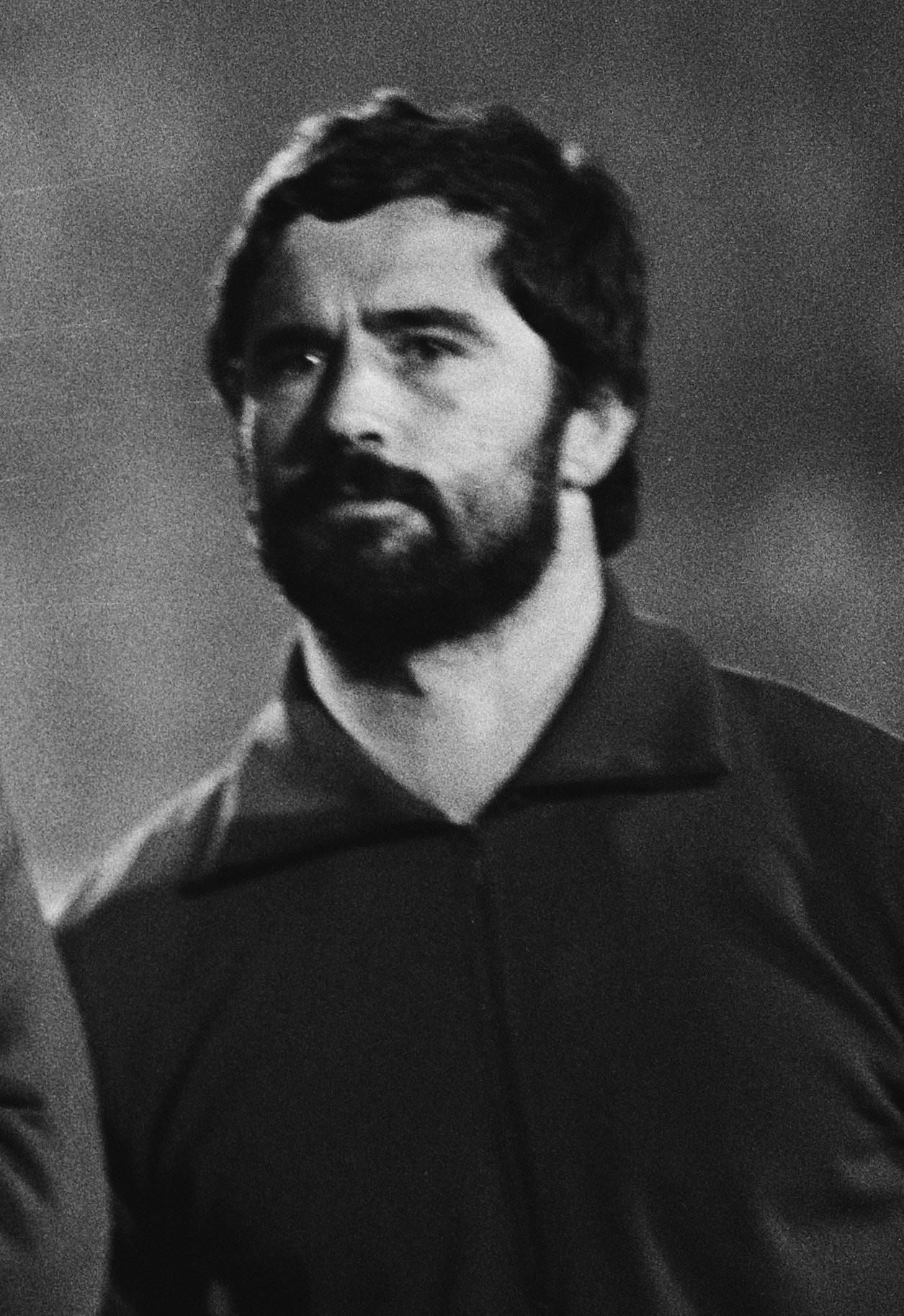
Müller scored ten times in six matches in 1970, including hat-tricks against Bulgaria and Peru and two extra-time goals against England. Four more followed in 1974. His 14 goals in 13 appearances produce a World Cup rate of 1.08 per match.
The final goal in 1974 was pure Müller: a blocked-looking chance controlled and turned into the net before the defenders could reorganise. West Germany’s home tournament had been uneven, but the striker decided its last match. He ranks above Didi because the direct knockout production is overwhelming, while Matthäus’s five-tournament span and broader responsibility take ninth.
His 1970 total also survived stronger opposition after the group stage. Müller scored twice in extra time against England and twice in the semi-final defeat to Italy, adjusting to matches that had become physically and tactically disordered. The ability to keep finding a finishing picture inside chaos separates the record from easy early-round accumulation.
Rank 9: Lothar Matthäus
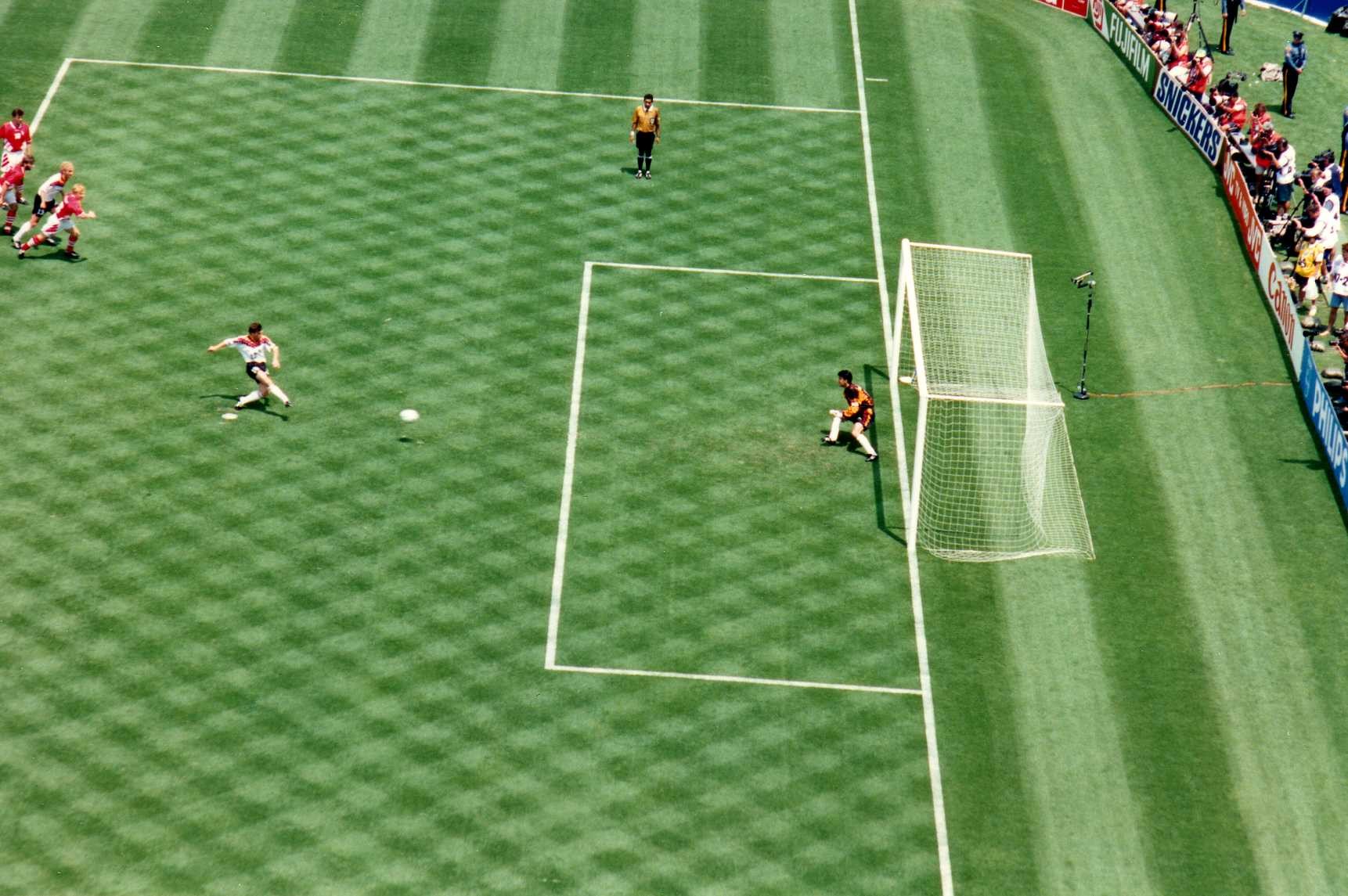
Matthäus appeared in 25 World Cup matches, a record that stood for decades. The first two tournaments ended in final defeats; in 1990, now captain and midfield leader, he scored four goals and drove West Germany to the title.
His opening goal against Yugoslavia, carrying from midfield before shooting from distance, expressed the whole role. By 1994 and 1998 he had moved towards sweeper and was no longer the same force, but adaptation extended the record rather than manufacturing it. Zidane ranks higher because the Frenchman’s best finals interventions were more decisive. Matthäus owns the deeper multi-edition body of work.
The 1986 run is sometimes lost between the youthful 1982 squad role and the commanding 1990 title. Matthäus was already a central competitive force as West Germany reached another final, then expanded his attacking responsibility four years later. The later sweepership adds context, but the top-ten case was established before the positional change.
Rank 8: Zinedine Zidane
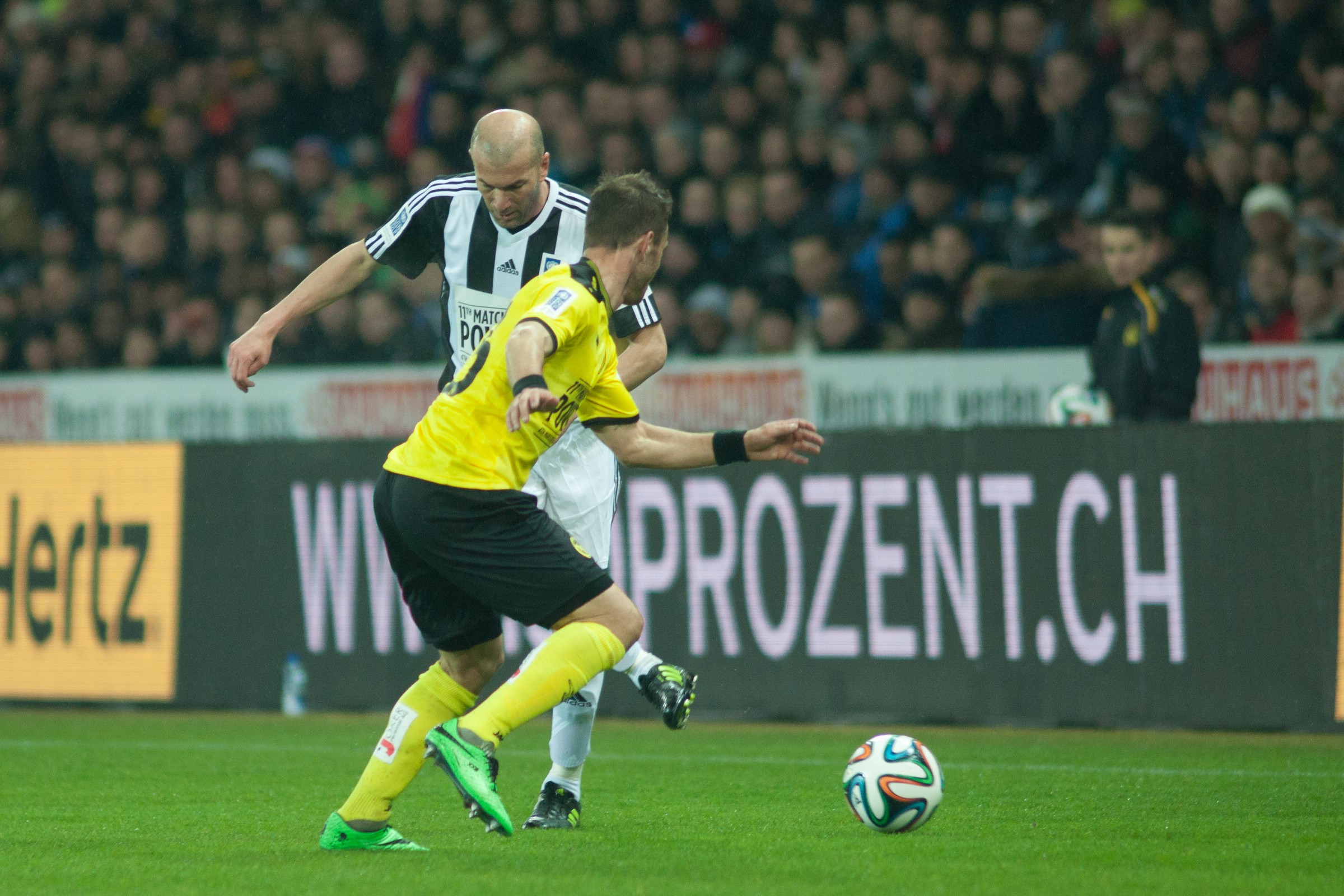
Zidane’s World Cup story contains two finals and three disciplinary failures. Sent off against Saudi Arabia in 1998, he returned to score two headers against Brazil in the final. Injury ruined his 2002 tournament. In 2006 he then controlled the knockout matches against Spain and Brazil before scoring a Panenka penalty and headbutting Marco Materazzi in the final.
Five goals in 12 appearances do not capture the way he slowed and redirected high-pressure matches. Nor can the 2006 dismissal be softened: it removed France’s captain before the shoot-out. Zidane remains eighth because his positive interventions decided a title and nearly decided another tournament eight years later. Ronaldo’s scoring and three-final participation provide the stronger complete record.
Rank 7: Ronaldo
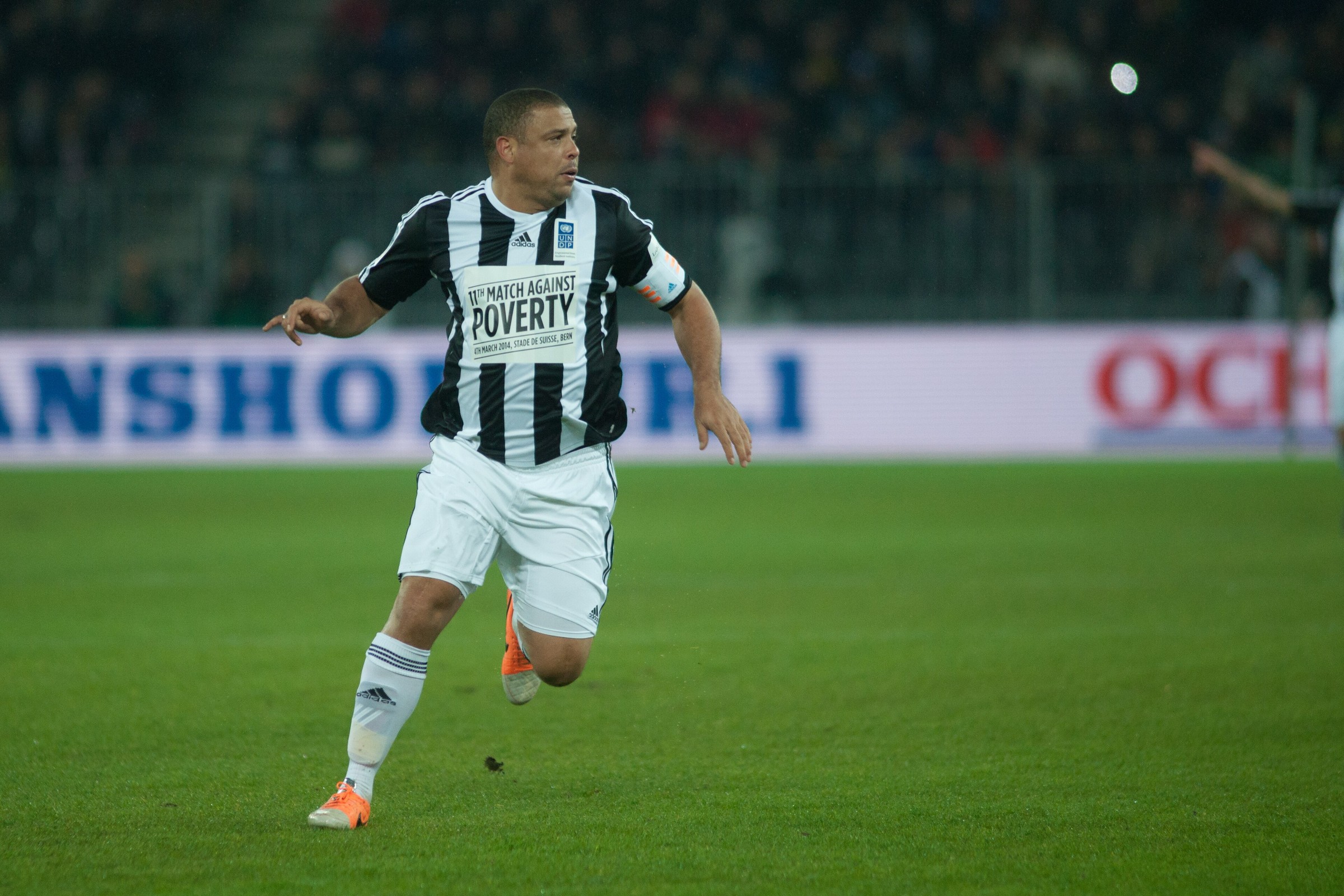
Ronaldo was an unused teenager in the 1994 champions, the best attacker at France 1998 until a convulsion preceded the final, and the Golden Boot winner in 2002 after two serious knee injuries. He scored both goals against Germany in the 2002 final.
Fifteen goals in 19 appearances made him the record scorer from 2006 to 2014. Three more in 2006 came with reduced mobility but exceptional finishing knowledge. The unused 1994 medal receives little weight; the two later finals carry the case. Mbappé moves above him after 2026 because the Frenchman now owns 22 goals in the same number of matches, with elite production in three consecutive editions.
The 2002 final completes the recovery story without requiring sentiment. Ronaldo reacted first when Oliver Kahn spilled Rivaldo’s shot, then delayed his movement before passing the second finish into the corner. Both goals came from reading the goalkeeper and defenders, evidence that the post-injury version had replaced some acceleration with sharper economy.
Rank 6: Kylian Mbappé
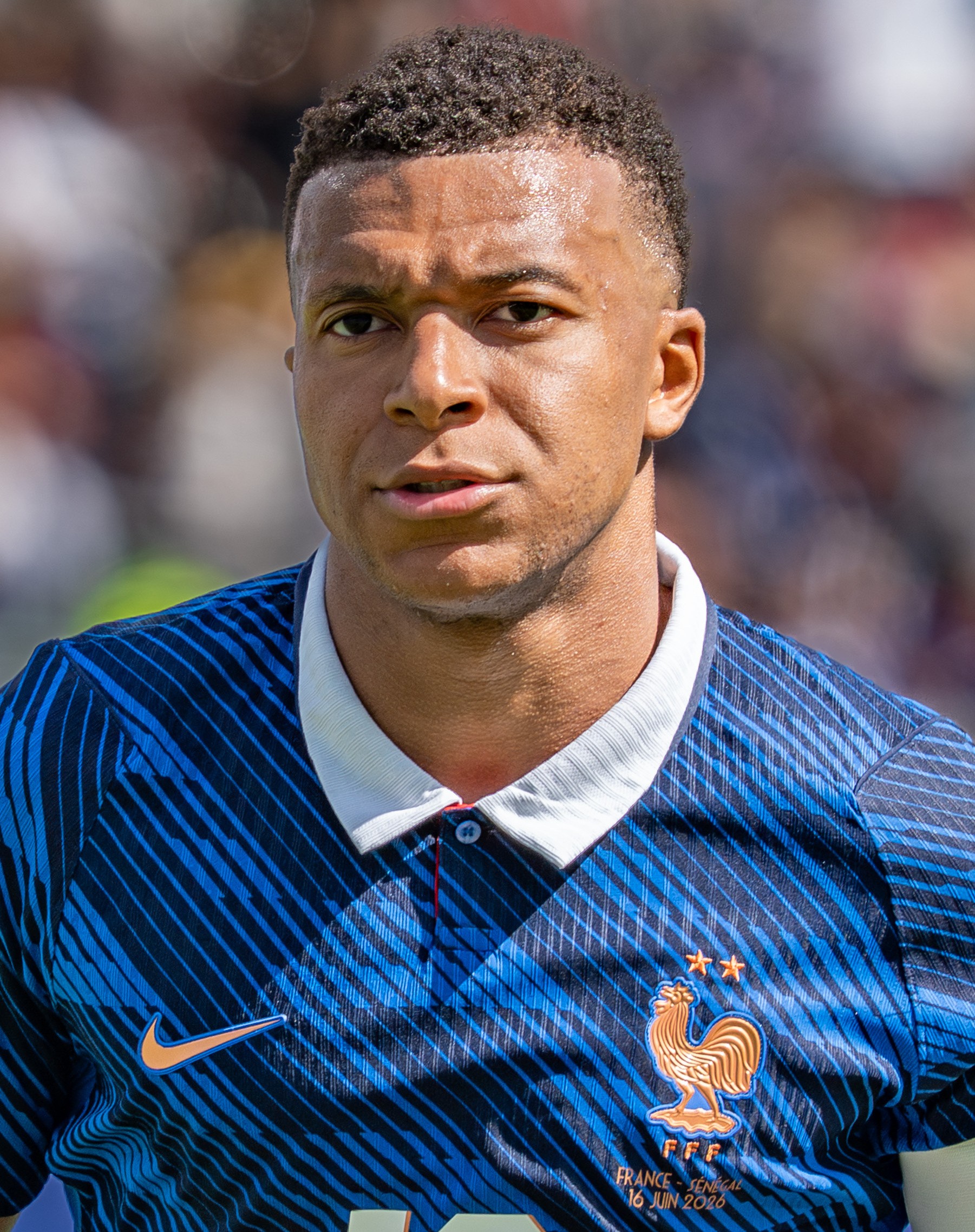
Mbappé has made World Cup scoring look like an annual club habit. Four goals helped France win in 2018. Eight in 2022 included a hat-trick in the final. Ten more in 2026 took him to 22 goals in 22 matches and a new all-time record, even though France lost the semi-final and then the bronze match.
The updated numbers also contain 14 combined goals and assists in 2026. He scores in transition, from penalties and against settled blocks, so the record is not dependent on one match state. Mbappé remains below Beckenbauer because the German’s three tournaments ended first, second and third while carrying defensive and leadership responsibility. At 27, however, the Frenchman’s World Cup case already belongs in the leading group without forecasting another appearance.
Rank 5: Franz Beckenbauer
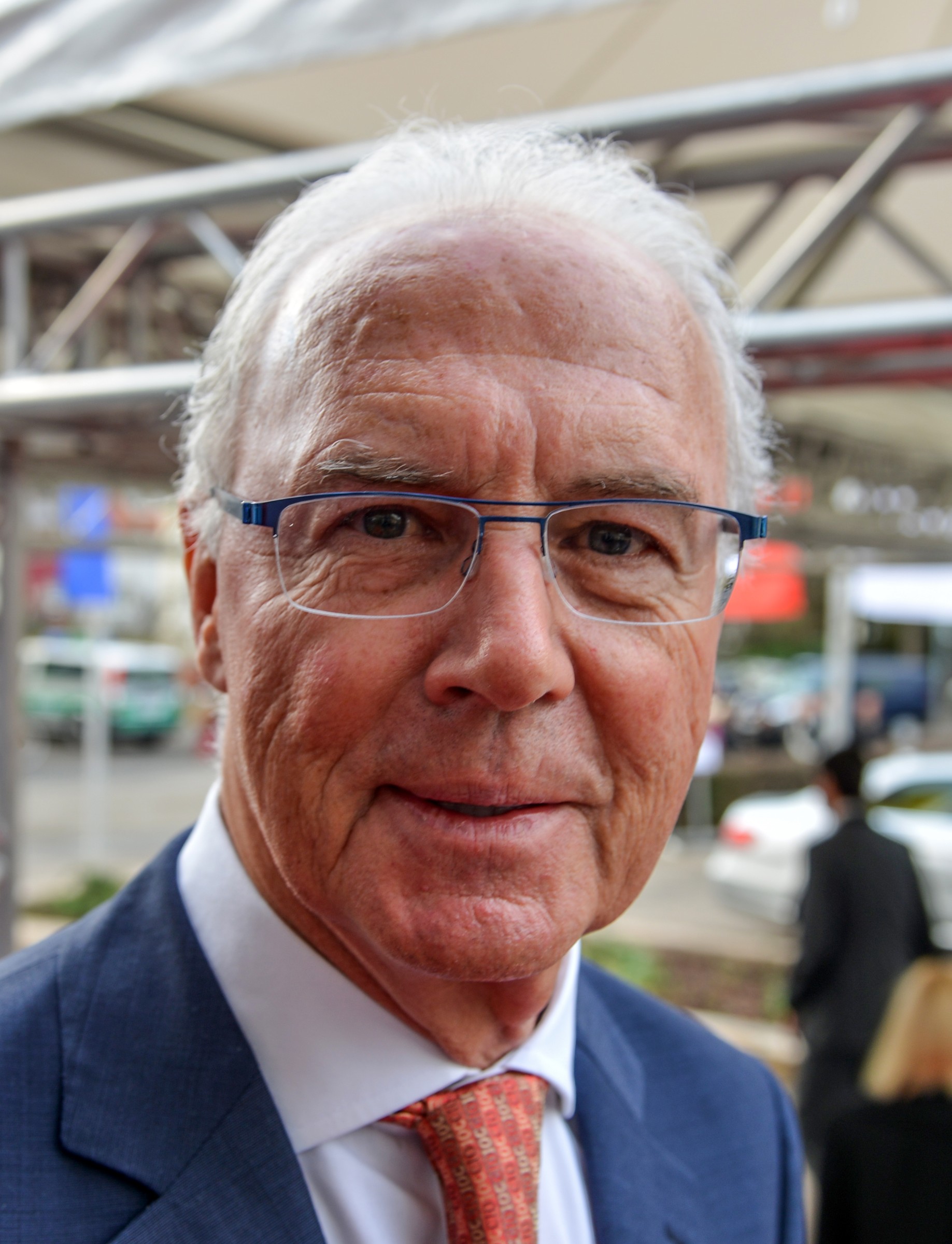
Beckenbauer scored four times as a 20-year-old in 1966 and reached the final. In 1970 he continued the semi-final against Italy with his arm strapped to his body after dislocating a shoulder. By 1974 he was captain, sweeper and the organiser of the champion side.
Eighteen appearances across the three tournaments ended runner-up, third and first. The progression matters because his role changed from adventurous midfielder to free defender without reducing influence. Beckenbauer did not simply collect consistent team finishes; his passing from behind altered how West Germany built attacks. Garrincha’s direct command of 1962 supplies the more dominant tournament peak, leaving Beckenbauer fifth.
In 1966 he scored four goals from midfield, attacking spaces opened by the forwards. Eight years later the same player controlled risk from behind them, deciding when to step into midfield and when to leave the duel to a marker. The damaged shoulder in 1970 sits between those versions as evidence of competitive endurance, not the main case.
Rank 4: Garrincha
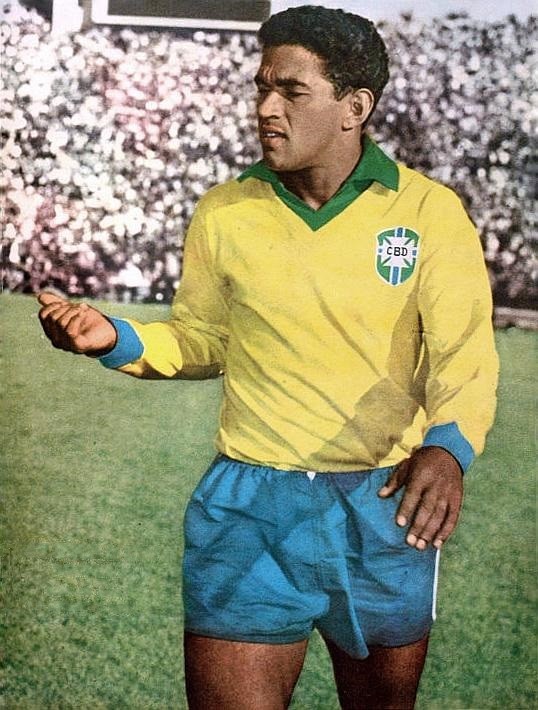
Garrincha joined Brazil’s 1958 team for the third match and immediately changed its width and one-on-one threat. The side did not lose a competitive match in which both he and Pelé played. Four years later, with Pelé injured, Garrincha scored four goals in the quarter-final and semi-final and became the tournament’s decisive attacker.
He finished with five goals in 12 World Cup appearances and two winner’s medals. The 1966 campaign was a painful decline, including his first defeat in a Brazil shirt. That ending does not weaken the 1962 achievement, when a winger became scorer, creator and emotional release for the defending champions. Maradona’s 1986 carried an even greater share of one team’s progress, so Garrincha stays fourth.
Rank 3: Diego Maradona
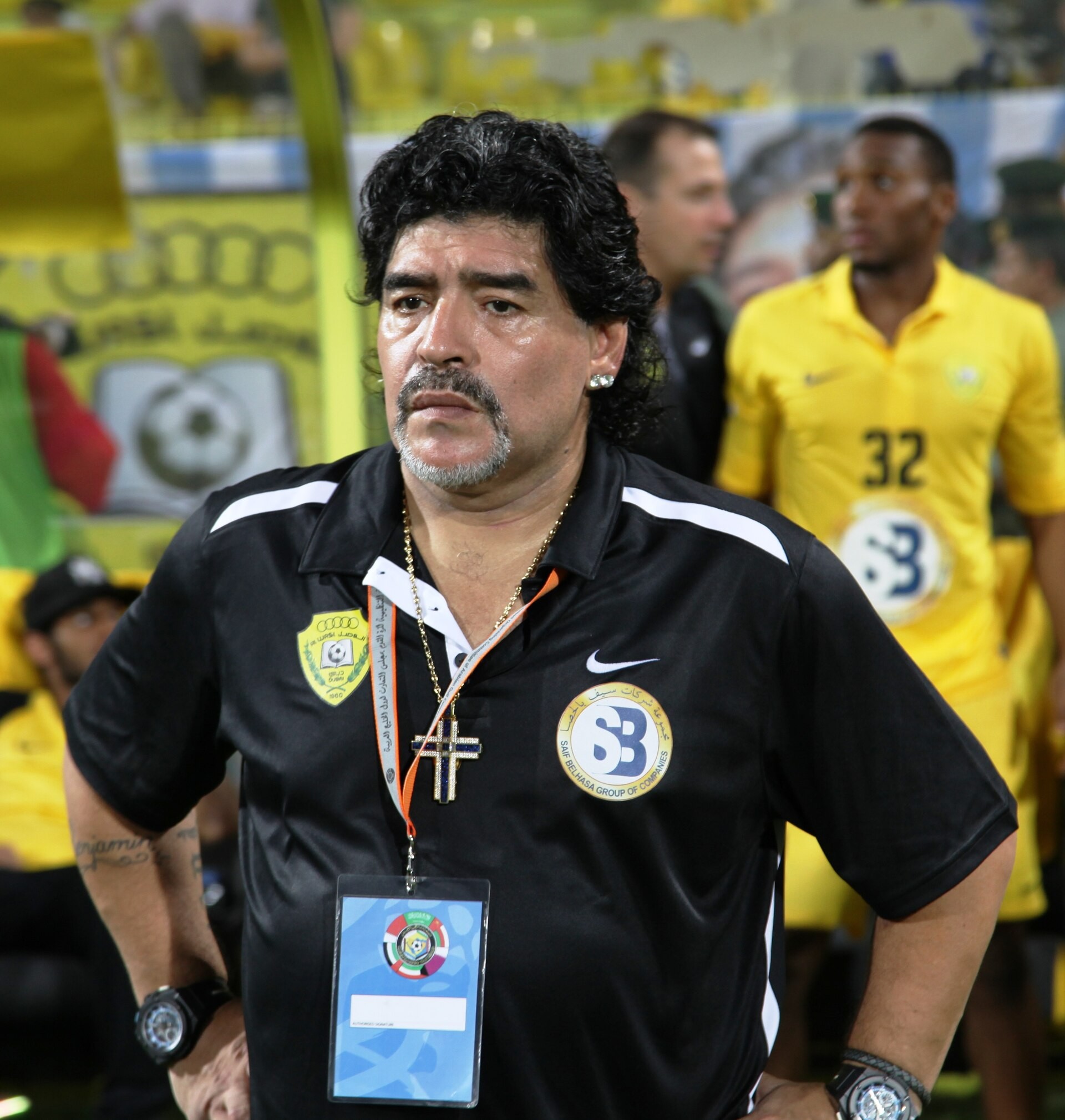
Maradona’s 1986 tournament remains the benchmark for individual command. He scored five goals, supplied five recognised assists and was directly involved in ten of Argentina’s 14 goals. The two against England, one illegal and one sublime, express both the controversy and the impossible technical peak.
In 1990 he was injured and less explosive, yet his dribble and pass eliminated Brazil before Argentina reached another final. The 1982 red card and 1994 expulsion after a failed drug test make the wider record unstable. Eight goals in 21 appearances cannot match Messi’s or Mbappé’s totals. Maradona ranks third because no one-month performance has asked one player to solve more of a champion’s attacking problems.
Argentina’s 1986 opponents tried different answers and none held. England allowed him to carry, Belgium tightened around him and West Germany assigned Lothar Matthäus before changing the marking. Maradona responded with dribbles, shots or the final pass, including the assist for Jorge Burruchaga’s winner. The peak survives because it solved changing resistance.
Rank 2: Lionel Messi
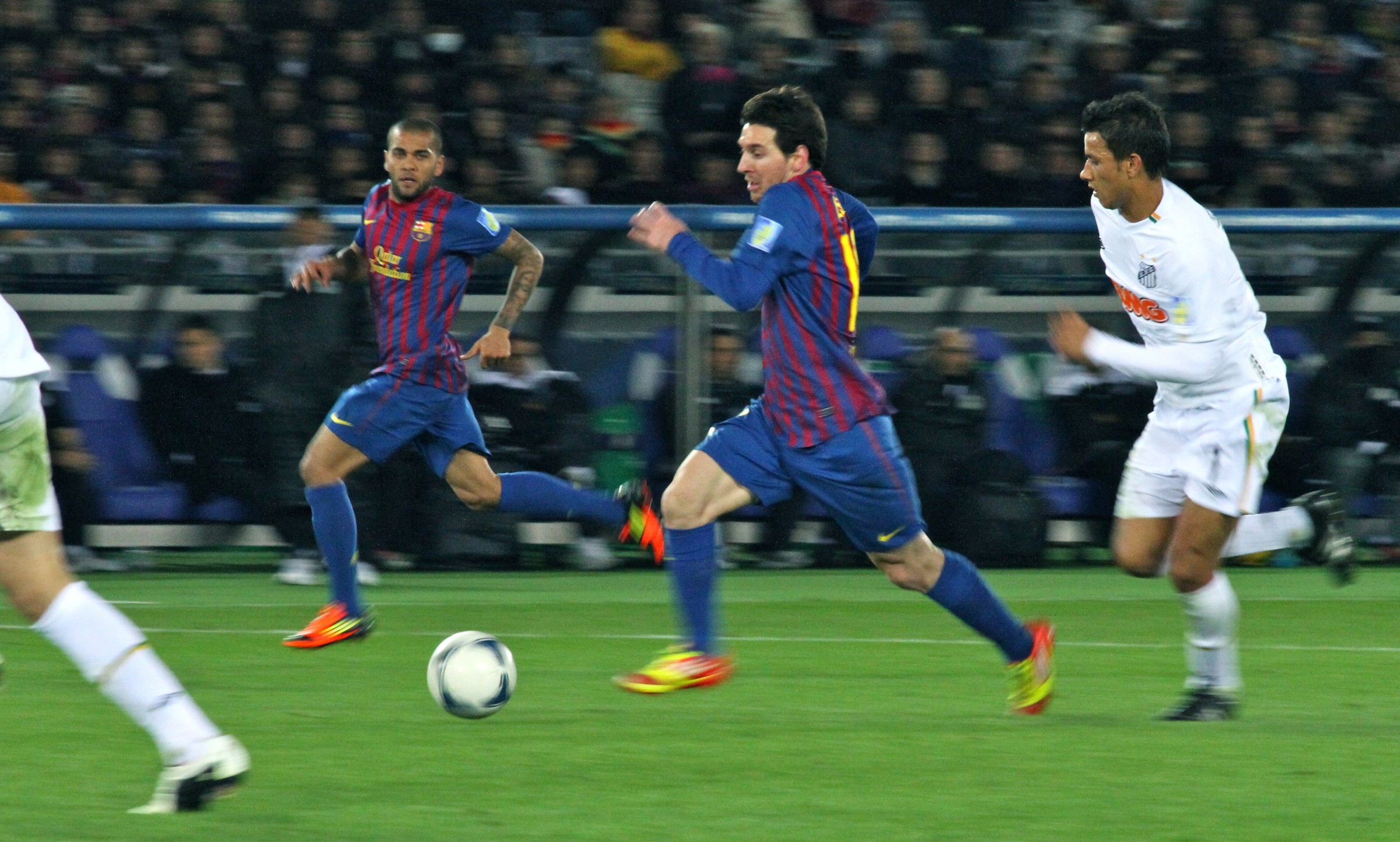
Messi’s World Cup career changed from frustration into unprecedented scale. He reached the 2014 final and won the Golden Ball without scoring in the knockouts, then led the 2022 champions with seven goals and three assists. In 2026, aged 39, he scored eight more as Argentina returned to the final before losing 1-0 to Spain.
He finished 2026 with 21 goals in 34 appearances, 23 match victories and Golden Balls from two editions. The six-tournament record contains earlier failures, especially the 2010 and 2018 exits, but late success did not merely decorate an old career. It rewrote the tournament’s cumulative standards.
The 2022 knockout phase supplied the missing shape to Messi’s earlier World Cups. He scored in every round from the last 16 through the final and created Julián Álvarez’s semi-final goal after beating Joško Gvardiol on the right. In 2026 the role was slower and more selective, yet the output carried Argentina to another final.
Rank 1: Pelé
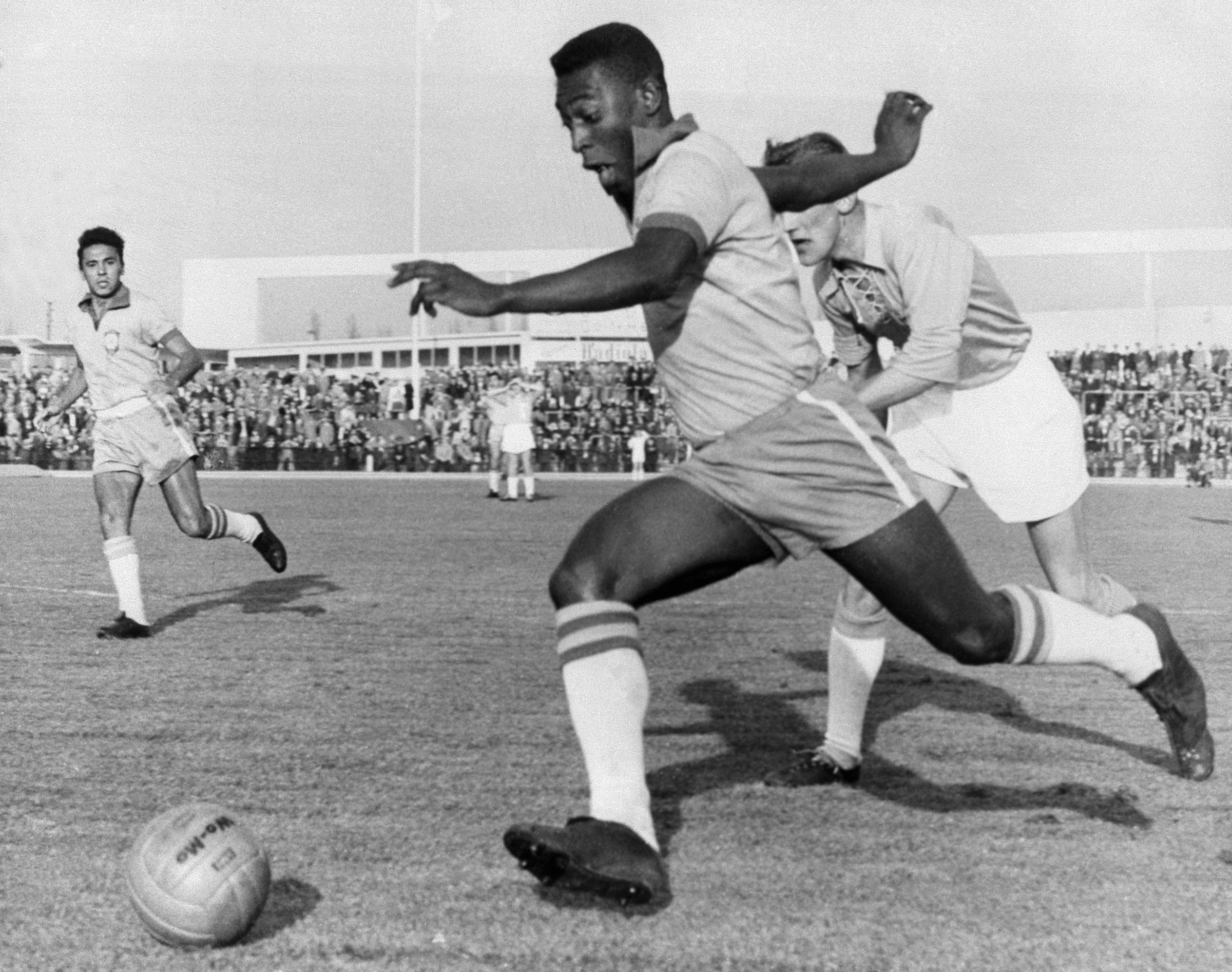
Pelé scored six times in the knockout rounds of the 1958 World Cup while still 17, including a hat-trick against France and two goals in the final. Injury curtailed him after one goal in 1962, and systematic fouling damaged the 1966 campaign. He returned in 1970 as the mature organiser of Brazil’s attack.
Twelve goals in 14 appearances and three winner’s medals are the headline. The deeper case is the changing responsibility: youthful finisher, injured champion, targeted star, then creator and scorer in what many regard as the finest national side. In 1970 he produced four goals and six retrospective FIFA assists, including the lay-off for Carlos Alberto’s final goal. Messi now has the greater volume and Maradona the strongest isolated month. Pelé remains first because no other player combined such an early peak, later tactical completeness and repeated title consequence.
The final cuts
Xavi, Andrés Iniesta, Nilton Santos, Roberto Carlos, Rivaldo, Djalma Santos, José Leandro Andrade, Obdulio Varela, Zizinho, Teófilo Cubillas and Manuel Neuer were all considered. Xavi and Iniesta divided influence across Spain’s collective system; Neuer’s 2014 was position-changing but less extensive than the goalkeeping cases selected. One additional 2026 tournament was not enough to move Jude Bellingham, Ousmane Dembélé or Mikel Oyarzabal into a century-spanning top 30.
Why club careers are excluded
World Cups provide small samples and uneven opportunity. That is the point of this article, not a flaw to disguise. Our rankings ask who did most within those particular finals.
Medals are evidence only when responsibility is visible
Pelé’s three medals do not receive equal weight. He was decisive in 1958, injured for most of 1962 and the complete attacking reference in 1970. Ronaldo’s unused place in Brazil’s 1994 squad adds almost nothing to his seventh-place case. Cafu’s three successive finals matter because his role and minutes expanded across them. Counting the medal without asking what happened on the pitch would turn a player ranking into a team honours table.
One great tournament can be enough, but only for a defined place
Fontaine, Cruyff and Rodri make the 30 largely through one edition. Their positions recognise the quality and consequence of that work while keeping multi-tournament evidence above them. Maradona is the exception near the summit because 1986 was not merely an excellent month. He supplied ten direct goal contributions, advanced the ball and decided every type of knockout problem, then added a second final run in 1990.
The 2026 format created more opportunity
The expanded 48-team tournament gave finalists eight matches rather than the seven available from 1982 to 2022. Messi and Mbappé therefore had one additional appearance in which to add goals and wins. That does not invalidate the records, since the knockout route also required an extra successful match. It does mean their totals should not be compared mechanically with Fontaine’s six-game edition or Müller’s 13 appearances across two World Cups. Rate, opponent and match state accompany the cumulative figure.
Penalties require precise language
A converted penalty during normal or extra time is a goal. A successful kick in a shoot-out is not added to the player’s tournament scoring total. Shoot-out performance can still be decisive evidence, as with Romário in 1994 or Modrić’s Croatia in 2018. The article describes the action rather than silently moving it into the goals column.
Historical assists are useful with a warning
FIFA’s retrospective data credits Pelé with six assists in 1970 and Maradona with five in 1986. Those figures help show creation, but early tournaments did not use one live event-data definition. They are treated as reconstructed evidence, not as perfectly equivalent to the 2026 assist table. For older players, film and tactical role remain necessary alongside the total.




.jpg)
.jpg)

_et_Just_Fontaine_(Reims)_(1960)_-_53Fi6501.jpg)


.jpg)


.jpg)

.jpg)


